
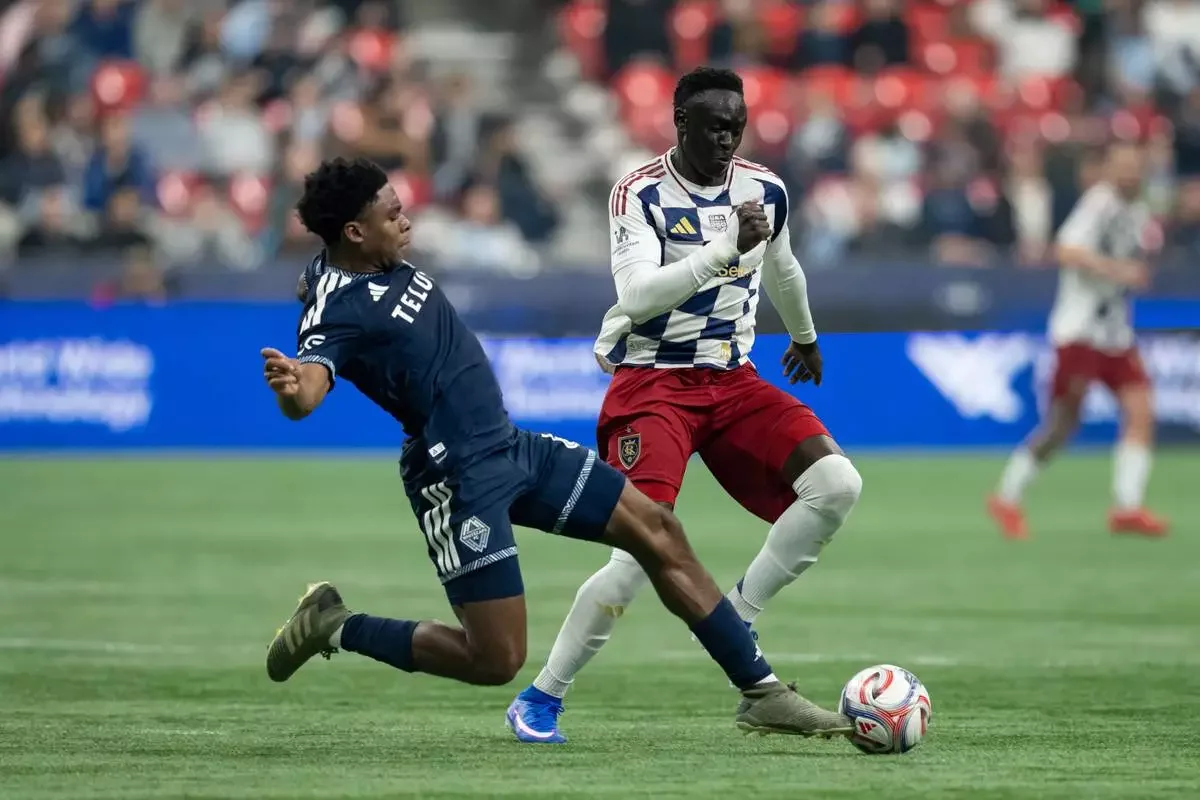
Real Salt Lake will host its earliest home MLS game ever this Saturday afternoon at America First Field, with kickoff still falling in February as part of the 2026 season. This change comes amid Major League Soccer’s ongoing efforts to transition its schedule to a fall-to-spring calendar by 2027, potentially making February home games a regular occurrence for the team and fans alike in Sandy, Utah.
The shift aims to better align MLS with international soccer leagues such as the English Premier League, German Bundesliga, Italian Serie A, and Spanish La Liga, which could bring new challenges and adjustments, notably in dealing with colder weather in spring months for some matches. For Real Salt Lake, accustomed to some winter hardship on the field, this represents both an opportunity and a test as the MLS schedule evolves.
Reasoning Behind MLS’s Schedule Adjustment
MLS plans to run the 2026 season normally through the summer, then hold a condensed “mini-season” from February to May of 2027, consisting of a 14-game regular slate. Following that, the league will begin its new regular season in mid-to-late July 2027, concluding in late May 2028. This new format will include a midseason break in January without scheduled games.
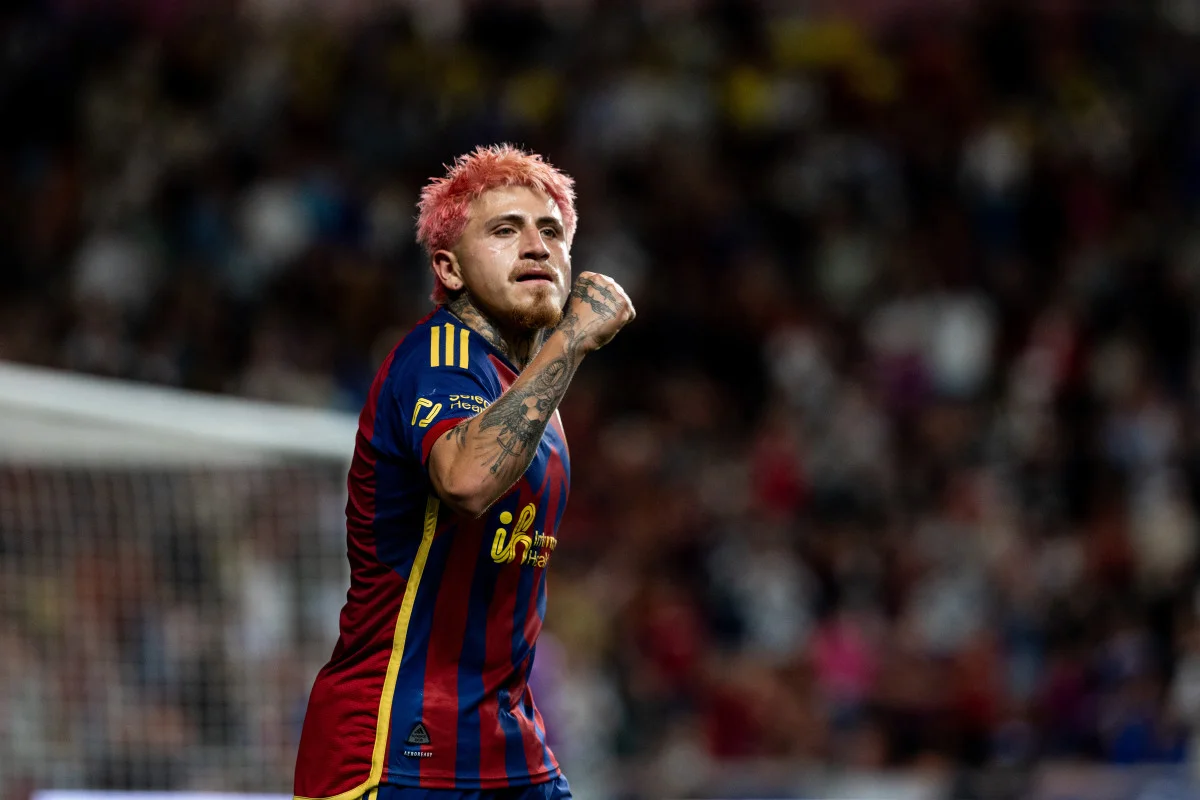
The primary motivation for this realignment is to synchronize MLS’s calendar with the global soccer community, particularly Europe’s top leagues. This synchronization ensures transfer windows line up more closely, addressing a longstanding issue where MLS’s offseason overlapped inconveniently with major transfer periods abroad.
“align the league’s schedule with the world’s top soccer leagues,”
MLS representatives stated.
Real Salt Lake’s chief soccer officer Kurt Schmid elaborated on how the current summer transfer window poses challenges:
“The summer window, even though it’s always in everybody’s head like a half-season thing, it’s really more of a two-thirds of the way through,
So, you know, it hasn’t been ideal to bring guys in and then their impact is limited.”
— Kurt Schmid, RSL chief soccer officer
With this in mind, RSL focused considerable effort on the winter transfer window for the upcoming 2026 season, trading six rotating players in exchange for new signings. Although most did not participate in the season-opening loss in Vancouver, the club expects Danish defender Lukas Engel, Uruguayan wingback Juan Manuel Sanabria, and Guinean forward Morgan Guilavogui to debut in the upcoming home game against Seattle Sounders.
The forecast for Saturday’s opener calls for mild weather, with temperatures near 60 degrees and cloudy skies—conditions favorable for the first February game held at America First Field.
Preparing Infrastructure for Extended Weather Challenges
Historically, Real Salt Lake’s schedule rarely extended deep into late fall or early winter unless they advanced far in playoff contention. However, starting in 2027 under the new calendar, winter matches in November and December will become routine. This necessitates upgrades to the stadium, especially to ensure the playing surface remains playable during colder months.
The team installed a heating system beneath the grass at America First Field to handle potential freezing conditions. Snow games have already been a reality in recent years, including a snow-affected 3-0 victory over LAFC in March 2024 and a blizzard during a critical “Decision Day” match against Sporting Kansas City in November 2020.
Additionally, plans are underway to expand seating capacity at both field and concourse levels. Currently, about 800 new seats are being added to the north concourse, a move driven by the anticipation of soccer superstar Lionel Messi’s visit with Inter Miami on April 22.
Addressing the adaptations needed to move to the new schedule, Schmid remarked:
“I think it’s just the infrastructure concerns and making sure that the grass is ready to go a little bit earlier in the year,”
Apart from that, I mean, we train outside in the cold and the rain, and, you know, we can train outside as long as it doesn’t get below freezing and nobody’s getting frostbite.”
— Kurt Schmid, RSL chief soccer officer
Navigating Cold Weather: Health and Safety Considerations
While frostbite has not been reported, Real Salt Lake players have endured harsh conditions during games, including hypothermia-like symptoms. Last season, several players had to exit halftime during an away match in Minneapolis due to freezing rain and temperatures below zero.
These challenges underscore the complexities of a fall-to-spring schedule, especially when playing in northern cities like Minneapolis and Montreal, where open-air stadiums expose players and fans to harsh elements. In contrast, Utah’s dry winter climate might mitigate some weather issues at home.
Schmid reflected on the increasing likelihood of late fall and early winter home games, saying:
“(The odds of) us having a home game in late November and early December are a lot higher in the new schedule,”
But I think it’s not something that’s going to drastically make any individual game worse than now.”
— Kurt Schmid, RSL chief soccer officer
Looking Ahead: What This Means for Real Salt Lake and Fans
Real Salt Lake’s embrace of February home games and the wider MLS schedule shift signals a significant adaptation for the club and its supporters. While warmer weather for early home matches is expected this season, ongoing infrastructure improvements and player preparation will be vital to withstand colder months as the transition progresses.
The synchronization with global soccer calendars promises tighter transfer windows and greater competitive alignment, but also introduces new challenges with extended seasons and unpredictable weather. Fans attending America First Field games may need to prepare for conditions previously uncommon in MLS schedules.
Real Salt Lake will open its 2026 season on Saturday at 5:30 p.m. MST against the Seattle Sounders, aiming to secure their first win while navigating this historic scheduling shift. How the club and league manage these changes will be closely watched as MLS continues evolving into a globally synchronized competition.
