
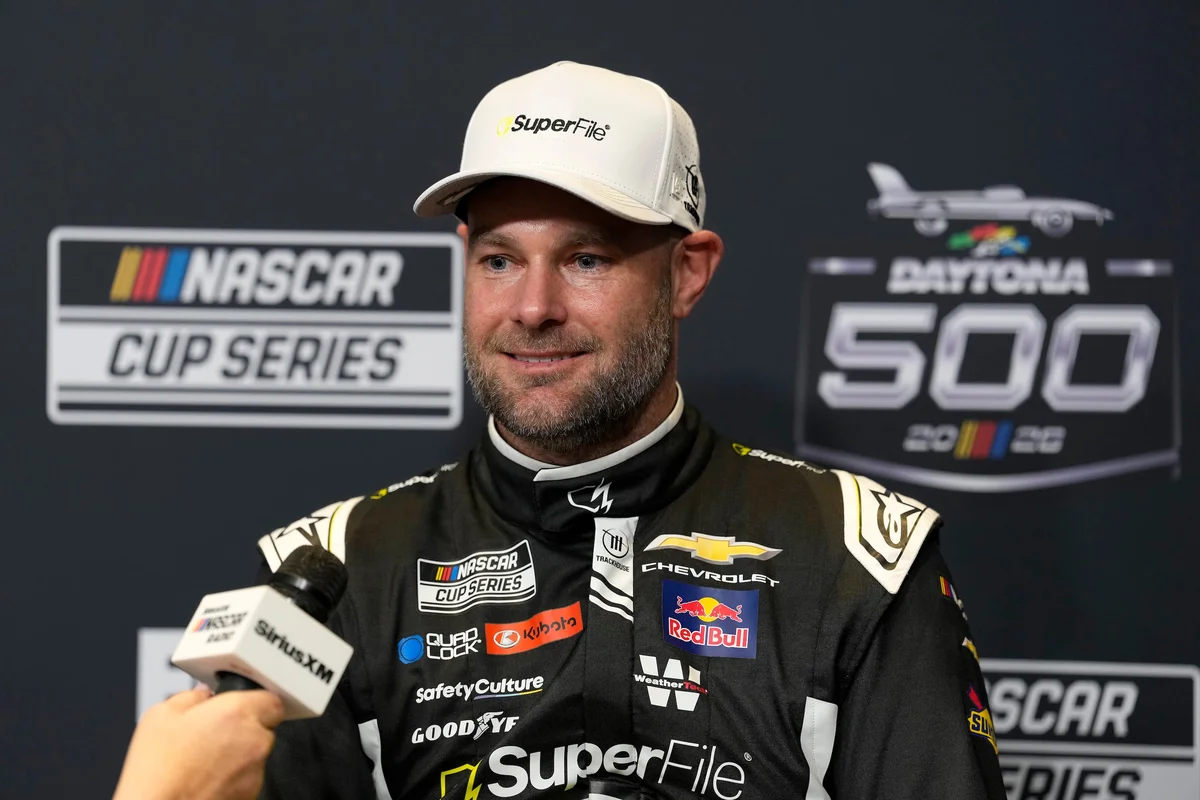
On the final lap of the Daytona 500, Tyler Reddick took the win, but much of the afternoon was overshadowed by controversy stemming from a last-minute crash involving Riley Herbst. Herbst’s aggressive move triggered a collision that eliminated Brad Keselowski from contention, sparking widespread debate on whether Herbst’s action was reckless or simply a racing miscalculation. The incident unfolded just about 100 yards from the finish line, abruptly ending the possibility of a fierce drag race to the checkered flag.
Keselowski Voices Strong Criticism of Herbst’s Move
Brad Keselowski did not hold back his views after the accident, accusing Herbst’s maneuver as unjustified and ill-advised. Keselowski called it
“one of the dumbest things I have ever seen,”
expressing disbelief that Herbst could realistically hope to block his charge toward the front. Despite the crash, Keselowski was credited with a fifth-place finish, while Herbst earned a career-best eighth place, but the tension between the two drivers has lingered in the race garage.
Dale Earnhardt Jr. Offers a Different Perspective on the Collision
On a recent episode of The Dale Jr. Download, Dale Earnhardt Jr. weighed in on the incident, painting a less harsh picture of Herbst’s role. Earnhardt suggested the contact was the result of misjudgment rather than intentional recklessness. He observed that in the chaotic, multi-lane superspeedway environment, situational awareness is critical, and drivers often have limited visibility of nearby cars.
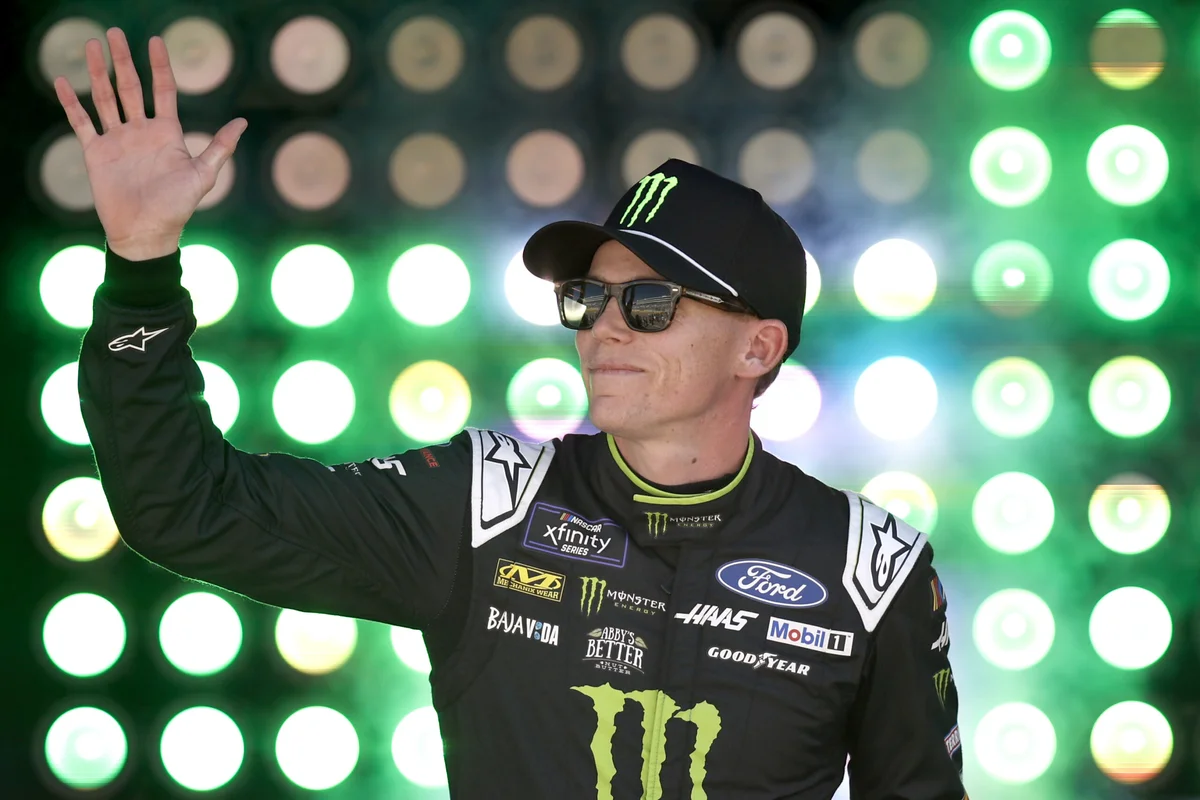
“At the end of the race, there was this interesting sort of debate around Riley Herbst and Brad Keselowski,”
Earnhardt explained.
“Brad was upset, thinking Riley wrecked the field for no reason.”
He continued,
“That wreck looked like the rest of the wrecks to me. Riley didn’t come up the track in front of him. He drove into him.”
Earnhardt emphasized that Herbst likely did not fully realize how close Keselowski was when pulling alongside, saying,
“Is it a lack of awareness? I thought it was more like, he’s looking at what’s happening out in front of him. … He just didn’t have all the corners of the car covered.”
Adding,
“It wasn’t so much like, ‘Hey, I’m going to wreck these guys.’ It was more like, ‘Hey, I’m pulling up into an area where there’s a car, and I didn’t know he was there.’”
Herbst Responds, Emphasizing the Narrow Margin and Racing Intent
Herbst himself shared a similar view after the race, explaining that his intent was to make a last-second three-wide attempt to win the Great American Race. He acknowledged the fine line that separated success from disaster by mere inches. The collision, while unfortunate, was part of the aggressive racing that defines the Daytona 500. The multi-car wreck that followed effectively handed Reddick the victory in an unexpected manner.
Legacy of the Incident and Its Impact on Superspeedway Racing
While emotions remain heightened, Earnhardt’s final assessment favored a broader understanding of the situation, stating,
“Riley catches a lot of shit, but I’m not gonna get on his ass about this one.”
This underscores the chaotic nature of superspeedway racing, where split-second decisions and limited visibility can lead to dramatic consequences.
The aftermath of the Riley Herbst Daytona 500 incident illustrates how finely balanced competition is at Daytona, where fractions of a second shape history and sometimes spark extended controversy. How Herbst’s move will be judged in the long term may depend on future races and whether similar incidents become part of his driving pattern or remain isolated occurrences born of high-pressure racing.
