
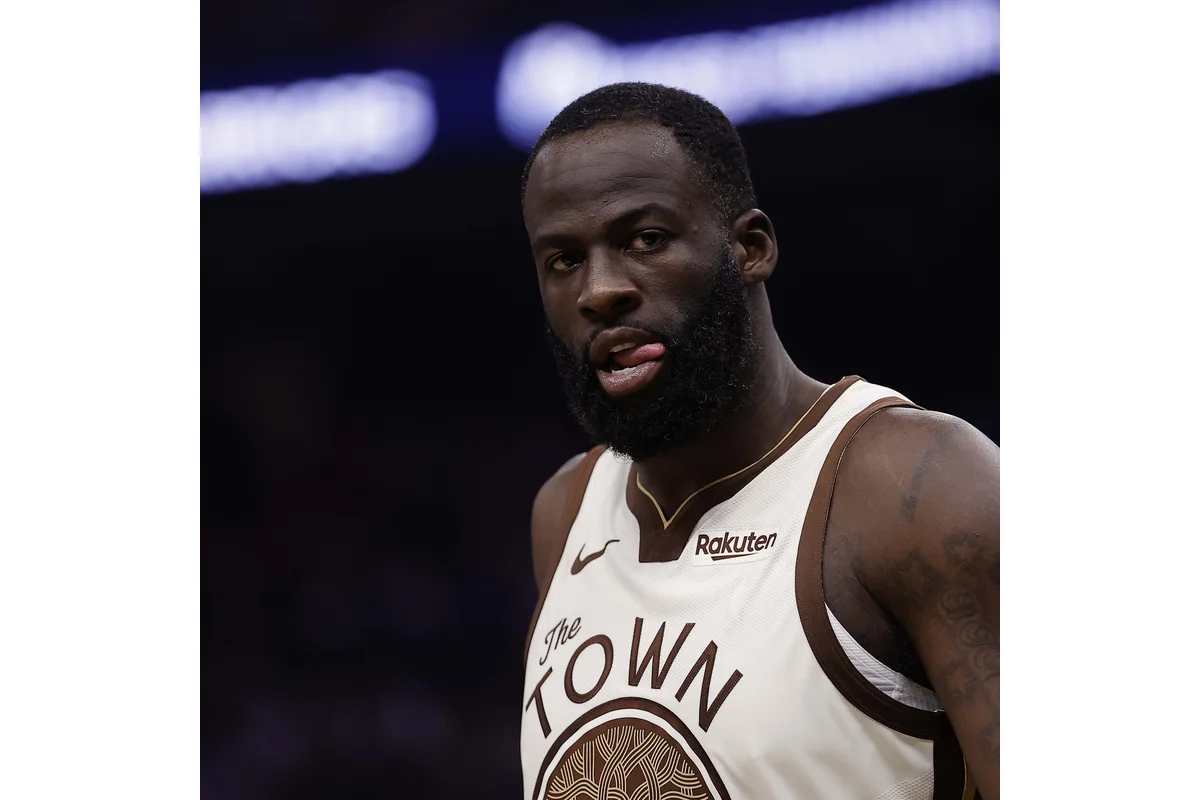
Golden State Warriors head coach Steve Kerr has recently opted to sideline veteran forward Draymond Green during critical moments at the end of games, sparking widespread discussion about the strategy behind this change. This shift occurred in key matchups on February 5 and February 9 against the Phoenix Suns and Memphis Grizzlies, where Green was benched for the final 7:04 and 8:23 of the fourth quarter, respectively, helping the Warriors secure close victories.
Kerr’s decision to bench Green during crunch time surprised many but proved effective as Golden State narrowly won 101-97 and 114-113 in those contests. Speculation grew about whether there was friction between Kerr and Green after the two had a tense interaction in December, but Kerr recently clarified the reasons behind the adjustments.
Why Draymond Green’s Role Has Shifted in the Warriors’ Offense
Kerr explained that the benching choices stem largely from the absence of key scorers like Stephen Curry and Jimmy Butler, which has left the Warriors hampered offensively. Without Curry’s exceptional shooting and floor-spacing ability, the team has struggled to generate consistent offense, leading Kerr to experiment with smaller lineups featuring only one traditional big man.
Al Horford has become the favored big man in late-game lineups due to his playstyle and offensive contributions. Kerr remarked on this adjustment:
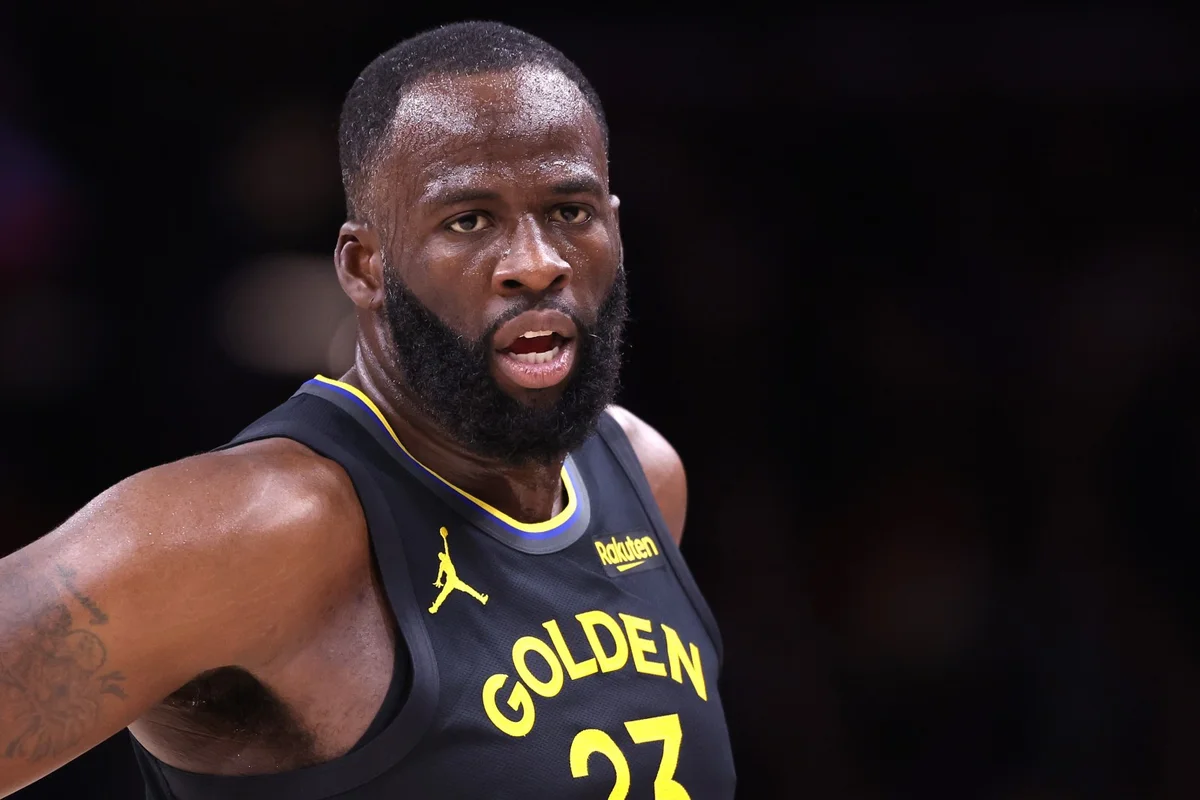
“Well, it’s a lot different without Steph, you know, and losing Steph impacts our offense in some pretty dramatic ways,” Kerr said. “It really affects kind of how we have to put the five-man combo on the floor. Steph really negates almost every spacing issue that we have just because he’s that good and his shooting and his gravity, everything. Without Steph and Jimmy, of course, we’re struggling to score at times. And we’re just finding that we’re better off playing one big. And if Al is playing like he did last night or like he did in Phoenix down the stretch, then we’re going to stay with Al and stay smaller around him. So it’s just the way it is right now.”
Due to this tactical shift, Green’s playing time has been reduced significantly, averaging just 26.6 minutes per game — the lowest in more than a decade. Correspondingly, his averages this season have dipped to 8.4 points, 5.6 rebounds, and 5.1 assists per game, marking a decline from his prior All-Star peak performances.
Draymond Green’s Perspective on the Adjusted Role Within the Team
Steve Kerr has emphasized that Demarologist Green understands the rationale behind the reduced minutes and has adapted to the role with professionalism and openness. Kerr highlighted that their ongoing communication has ensured Green is aligned with the team’s current strategy.
Kerr stated:
“We talk all the time and he understands exactly where he is in his career, where our team is,” Kerr said. “We’ve had really good conversations about this, about how the last couple of years of your career go and how you have to adapt and adjust. I think all great players have to adapt as they get older and it means different things for different people.”
This candid understanding reinforces Green’s reputation as a team-first player willing to embrace necessary changes to benefit Golden State’s overall competitiveness.
Implications for the Warriors’ Season and Future Strategies
The Warriors’ current approach reflects the challenges of navigating injuries to cornerstone players like Stephen Curry and the importance of lineup flexibility. Kerr’s willingness to experiment with rotation patterns could be crucial for maximizing offensive efficiency as the team seeks to maintain a strong playoff position.
If Al Horford continues to perform well in a smaller lineup alongside more perimeter-oriented players, Kerr is likely to maintain this approach rather than reverting to heavier lineups featuring Green during crunch moments. For Green, the adjustment phase may signal the beginning of a transition in his role as his career advances.
This period of adaptation for Golden State could affect late-game dynamics going forward, with increased reliance on shooters and versatile forwards to fill the offensive void left by absent stars, ultimately shaping how the Warriors close out games amid ongoing roster challenges.
Steve Kerr on Draymond not closing 2 of the last 3 games:
"It's a lot different without Steph…It's just the way it is right now. The game and the team changes as the season goes along and everything could be completely different next week."
(via @WillardAndDibs) pic.twitter.com/4lunkY94Mx
— 95.7 The Game (@957thegame) February 11, 2026
Kerr on how Draymond is handling his role being adjusted pic.twitter.com/iQuI06BAgP
— 95.7 The Game (@957thegame) February 11, 2026
