
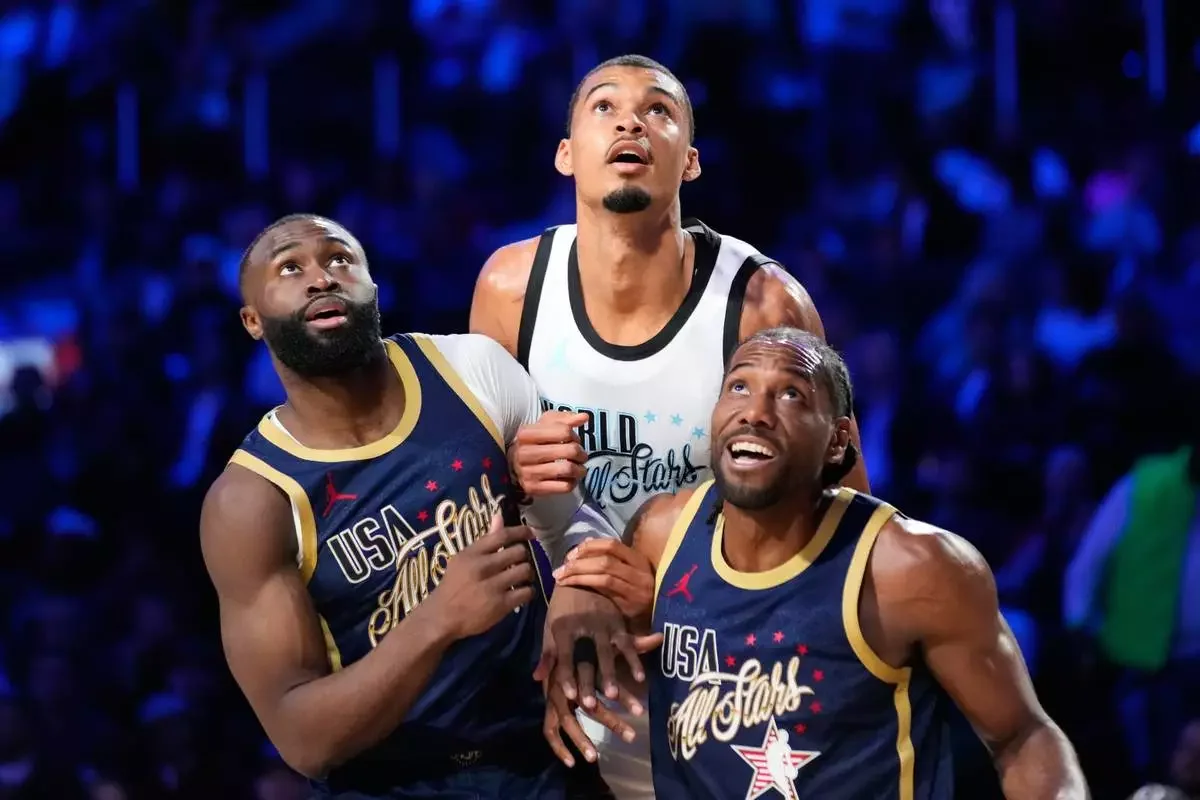
Jaylen Brown, the Boston Celtics star earning around $50 million annually, found himself at odds with Beverly Hills authorities on Saturday when a cultural panel event he tried to host was forcibly shut down. Brown’s brand, 741, planned the gathering at a luxury mansion, but the city denied the permit, leading to the event’s closure despite attendance of about 200 people. The incident sparked controversy after Brown publicly expressed his frustration, highlighting tensions around local regulations and enforcement.
Background on the Event and Permit Denial
The city declined the event permit due to earlier violations at the location, which is situated in the exclusive Trousdale neighborhood. Even though the denial should have halted the plans, Brown and his team proceeded with hosting the panel. After law enforcement intervened to end the gathering, Brown took to social media to voice his displeasure, claiming he was specifically targeted and hinting at racial motivations behind the permit denial.
Reactions to the Shutdown and Allegations of Bias
Brown’s tweets criticized Beverly Hills sharply, stating,
“Beverly Hills is so trash I’m offended,”
referring to the $300,000 he claimed to have lost in preparations—a fraction of his yearly salary. He also argued he did not believe a permit was necessary because he was personally connected to the homeowner. Civil rights activist Jemele Hill chimed in, suggesting the city routinely enforces rules selectively, sharing,
“I live in LA, and everybody knows that Beverly Hills is on this type of time. JB rented a spot worth between $60M and $70M. Trust me when I tell you they selectively enforce all the time.”
– Jemele Hill, Civil Rights Activist
Official Response from Beverly Hills Authorities
The Beverly Hills Police Department issued a statement addressing the situation, emphasizing that the permit was officially denied due to past violations and that the event organizers knowingly violated the city’s rules by proceeding. The statement detailed,
“Despite the fact that the permit was denied, organizers still chose to proceed with inviting hundreds of guests knowing that it was not allowed to occur. BHPD responded and shut down the unpermitted event.”
– Beverly Hills Police Department
Brown’s Continued Defense and City’s Enforcement Policy
Brown, known for his thoughtful commentary both on and off the court, insisted on social media,
“I know how to follow the rules,”
despite clear evidence that the event had breached city limits. Beverly Hills city officials confirmed that their ordinances apply uniformly, without exceptions for celebrities, athletes, or wealthy individuals. The strictness of local codes, including restrictions that sometimes lead to complaints as minor as leaf blowers being used, demonstrates the city’s rigorous regulatory stance.
The Larger Implications of the Incident
While a $285 million contract secures Brown a high status in professional sports, it offers no exemptions from municipal laws. The event’s shutdown highlights that even figures like Brown must adhere to local regulations, underscoring Beverly Hills’ commitment to enforcing its policies without partiality. The situation also sheds light on the tension between personal influence and public law, offering a reminder that fame and fortune do not guarantee leniency.
As Brown navigates the fallout from this incident, the city’s firm stance may serve as a deterrent for others considering unauthorized events. The dispute has sparked conversations about equitable enforcement of rules and the balance between celebrity privileges and community standards.
