
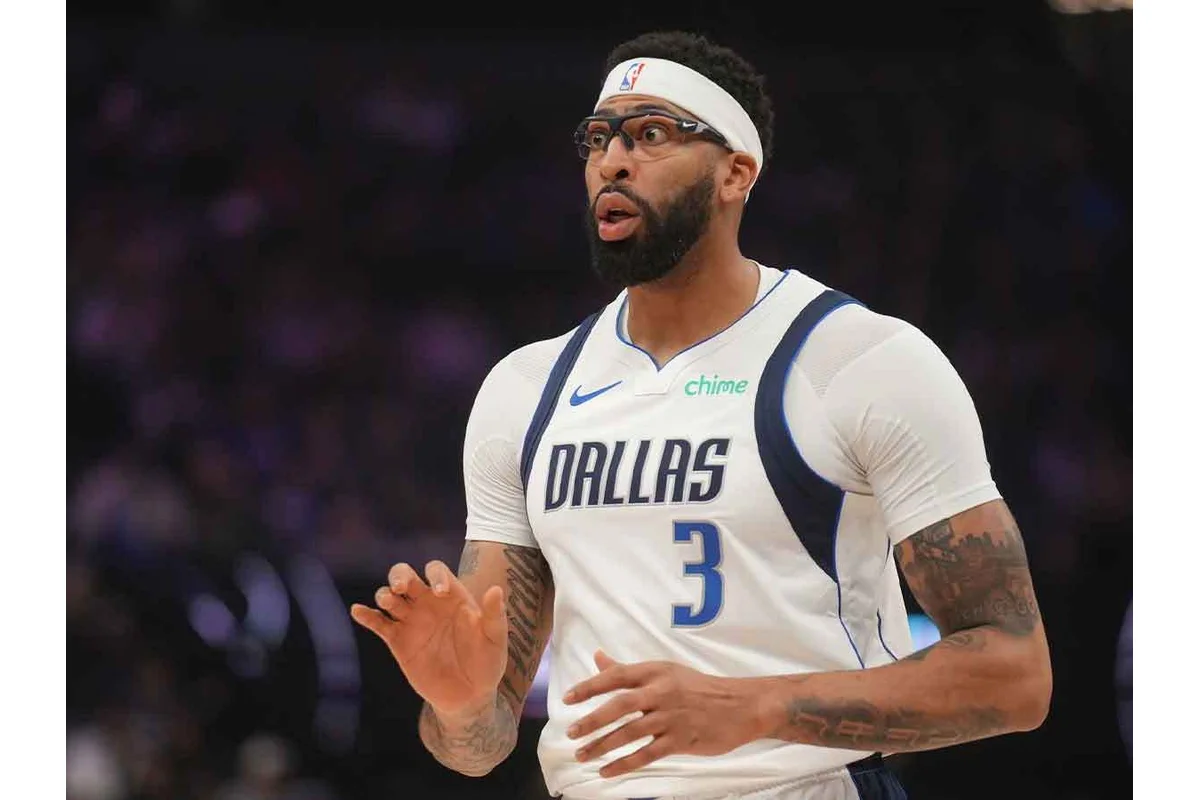
The Washington Wizards find themselves near the bottom of the standings this season, but their focus is not on winning right now; it’s on rebuilding for the future. The franchise’s prospects shifted dramatically after acquiring two injured All-Stars, Anthony Davis and Trae Young, setting a course for long-term transformation rather than short-term success. This strategic reset aims to align the team’s timeline with the returning stars’ health and performance.
LeBron James expressed optimism about the Wizards’ direction, highlighting the motivation of Davis and Young heading into the next season.
“I think for the first time in a few years, we can say that Washington has picked up some pieces… To see how motivated Trae and AD is to prove Dallas and Atlanta, you know, how, listen, we know what we’re capable of,”
James said, emphasizing the players’ intent to respond to doubts about them.
Trades of Anthony Davis and Trae Young Signal a Shift in Franchise Strategies
The Wizards acquired Trae Young from the Atlanta Hawks and Anthony Davis from the Dallas Mavericks while both players were sidelined due to injuries, with their seasons effectively ended. Washington’s front office views these moves not as an attempt to contend immediately, but as steps toward future competitiveness.
Atlanta’s hesitation to commit to Young long-term stemmed from the emergence of Jalen Johnson, which changed their roster outlook, while Dallas aimed to rebuild around younger talent, trading away Davis along with his remaining contract. Neither team doubted the players’ skills, but both choices reflected new organizational priorities focused on timing and development.
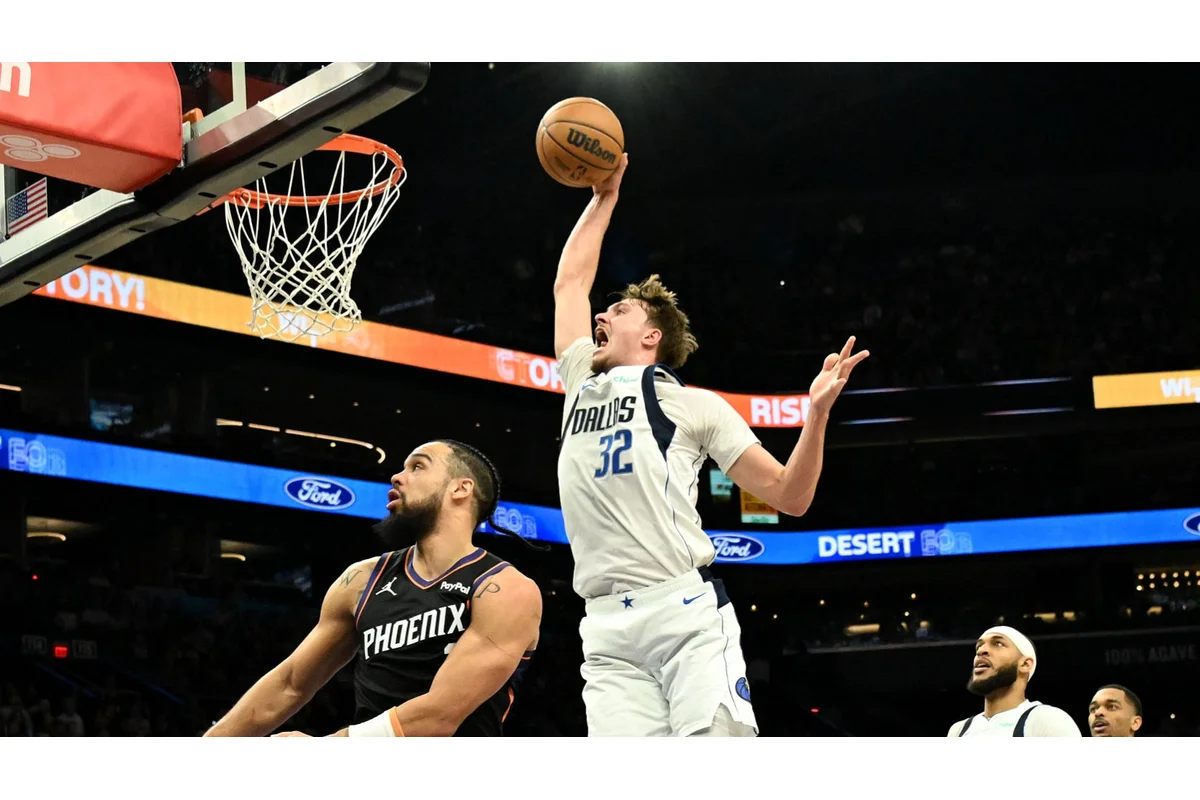
For Davis—a 10-time All-Star and a member of the NBA’s 75th anniversary team—and Young, who has made deep playoff runs and delivered consistently high assist numbers, the importance of perception runs parallel to on-court output.
LeBron Emphasizes Motivation Over Opportunistic Tanking Accusations
Questions about whether the Wizards are intentionally losing to gain advantage have circulated, especially due to the in-season shutdowns of Davis and Young. However, Washington’s management insists that their strategy is about aligning timelines, not merely tanking. Both players are expected to be fully healthy by training camp, allowing the team to integrate them alongside promising young talents like Alex Sarr, Bilal Coulibaly, Bub Carrington, Kyshawn George, and Tre Johnson.
The Wizards also maintain salary cap flexibility, enabling the front office to consider contract extensions for key players without pressure during the season. This careful management highlights a commitment to long-term planning rather than hasty short-term fixes.
Young excels as a pick-and-roll playmaker and an adept passer, while Davis offers versatile scoring and defensive prowess when healthy. Together with Sarr’s rim protection, these players form a complementary core capable of shifting Washington from a developmental squad to a legitimate contender.
Future Success Hinges on Health and Player Development
The Wizards’ post-trade season will be evaluated less by immediate wins and losses and more on the players’ ability to recover and respond. If Davis can stay healthy and Young returns to form, the team could swiftly transition into a serious playoff contender. Conversely, continued injury problems could stall the rebuild before it gains momentum.
LeBron framed this period as one fueled by pride. Players who have been traded away from cornerstone roles are often driven to prove their former teams wrong, injecting a potent form of motivation into Washington’s roster. The organization is wagering that this determination can be as transformative as adding a superstar through free agency.
