
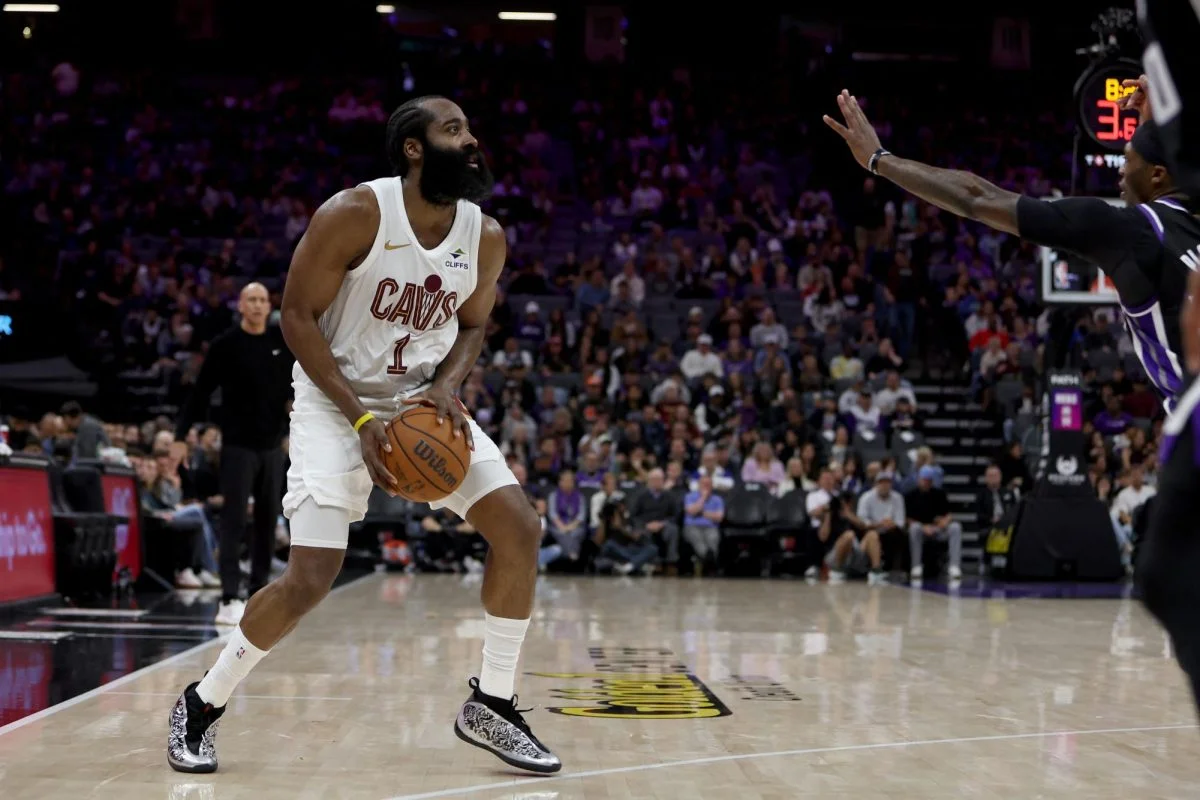
The LA Clippers recently exchanged James Harden for Darius Garland, signaling a shift from immediate success to sustainable development. This move aligns with the team’s 2027 strategy by adding a young, talented point guard who can evolve into the centerpiece of their future.
At 26 years old with two All-Star selections, Garland averages around 21 points and 8 assists per game when healthy, demonstrating his ability to both score and lead an offense. His prime years are still ahead, making him a valuable asset for the Clippers’ rebuilding timeline.
Capitalizing on a strategic buy-low opportunity
The Clippers clearly took advantage of a buy-low window with Garland, trading Harden despite his star status. Although Harden was a high-profile player, the potential for Garland to become a franchise cornerstone justified the transaction.
Garland’s market value dropped due to ongoing toe injuries that have sidelined him since mid-January. While past injuries like a broken jaw and an eye poke were short-lived, the toe issue has been recurring and remains the primary concern for the Clippers moving forward.
How Garland’s play style aligns with the Clippers’ system
Garland’s offensive skills fit perfectly with the Clippers’ strengths. He excels in pick-and-roll situations, which complements the team’s young big men, and can effectively play alongside Kawhi Leonard without demanding full control of possessions.
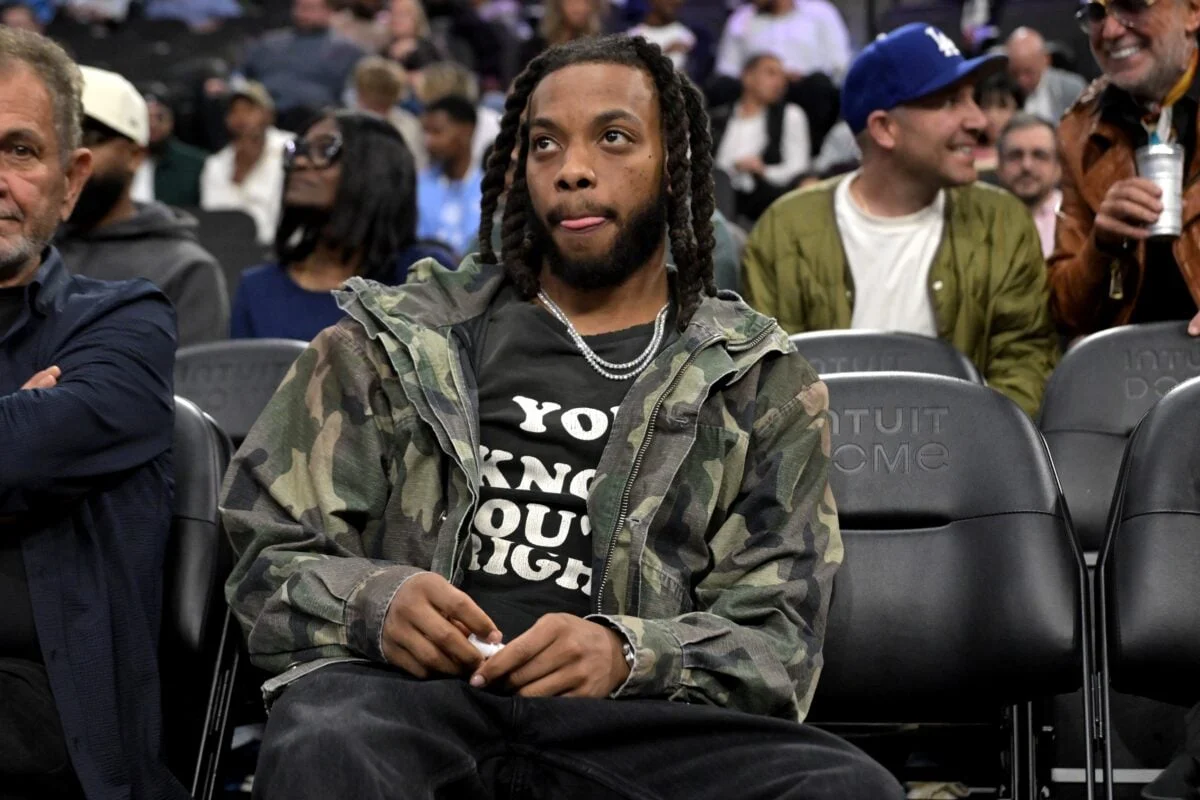
This season, Garland has posted a 45.1% field goal percentage and 36.0% from three-point range, slightly outperforming Harden’s 42.7% shooting despite similar three-point accuracy. Unlike Harden, Garland is less ball-dominant, capable of moving off the ball, relocating for open shots, and making swift decisions in transition.
These qualities reduce friction over possession control, allowing Leonard to consistently handle the ball while Garland remains a dynamic facilitator and scorer.
Maintaining the Clippers’ long-term blueprint through 2027
The trade supports the Clippers’ overarching plan headed by executive Lawrence Frank, centered around building a competitive squad by 2027, when the majority of current contracts expire. This timeline offers cap flexibility to cultivate young talent and reshape the roster.
Committing to Harden with a large extension would have compromised this aim, limiting flexibility and capping the team’s potential at early playoff exits. Garland’s contract structure—starting at $39.4 million this season and rising to $44.8 million in 2027-28—fits neatly into this timeline.
By the summer of 2027, the Clippers will have clear salary cap space and a 28-year-old Garland as a proven foundation, allowing them to move beyond the constraints of an aging roster focused on fleeting playoff runs.
Assessing the actual risks behind Garland’s injury history
While Garland’s toe injury is a genuine factor, the Clippers are in a position where rushing his return is unnecessary. The team’s record stands at 27-31 as they vie for the ninth seed, making a cautious approach prudent.
Reintegrating Garland in March at full health will provide time to blend him into the offense and properly evaluate his impact heading into the offseason. This approach emphasizes building a contender over the next several years rather than forcing short-term gains in 2026.
Defensive challenges and how the Clippers can mitigate them
Defense remains Garland’s main weakness. Standing 6-foot-1, he has struggled as a defender, primarily due to his size rather than effort. Fortunately, the Clippers possess standout perimeter defenders such as Derrick Jones Jr., Kris Dunn, and Kawhi Leonard, who can cover for Garland’s limitations.
James Harden faced similar defensive critiques—he was bigger but slower and less consistent in defensive effort. The Clippers previously managed those challenges with Harden, and they have the necessary roster depth and personnel to accommodate Garland’s defensive shortcomings.
A mutually beneficial trade for both teams involved
The Cleveland Cavaliers acquired Harden, a 36-year-old future Hall of Famer, to pair with Donovan Mitchell and strengthen their championship pursuit in 2026. Harden’s presence boosts their immediate playoff chances, and if results falter, his contract ends soon, enabling a rebuild.
Meanwhile, the Clippers secured a 26-year-old All-Star with significant upside, avoiding the constraints of an aging star and preserving flexibility to build a competitive future roster. Reflecting on the deal, trading Harden and a pick for Garland would have seemed improbable two years ago.
This trade showcases a strong management strategy by perfectly aligning with the Clippers’ long-range vision, transforming a short-term rental into a foundational player and exemplifying disciplined organizational planning.
