
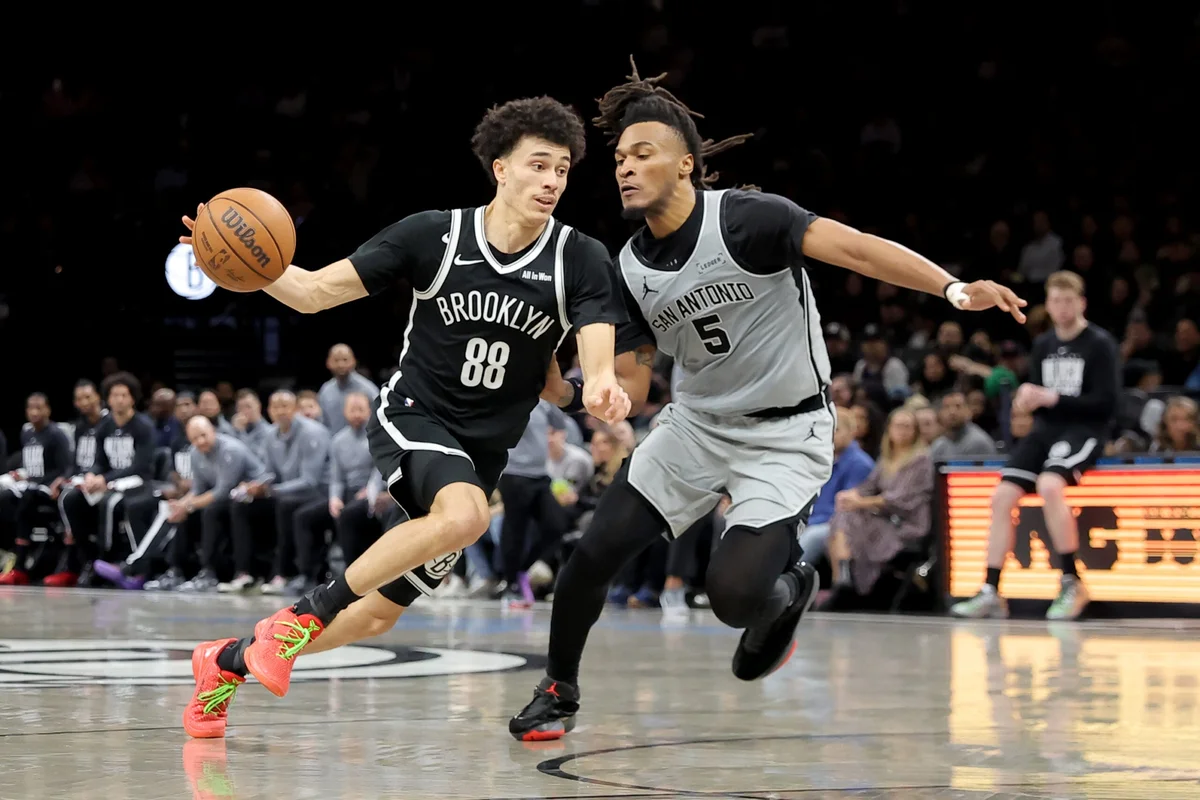
On Sunday, March 1, 2026, the Cleveland Cavaliers will visit Brooklyn’s Barclays Center to face the Nets in a matchup that oddsmakers have heavily favored Cleveland to win. The Cavaliers are favored by 11 points on the spread and carry a steep -543 moneyline, while the Nets are underdogs priced at +397. The total for combined points is set at 222.5, reflecting expectations for a defensive, controlled game. Oddsmakers project Cleveland’s defense to dominate while keeping the game’s pace in check.
However, large spreads in road favorites often introduce betting complexities. The favored team’s gameplay may slow down with a lead, rotations might shorten, and underdogs tend to increase three-point attempts to stay competitive. These factors create an environment where a bettor may win a side wager but lose on the total points, or vice versa. This dynamic makes deciding how to wager on this game particularly intricate.
Given the volatility such lines carry, monitoring injury updates and late developments up to tipoff is crucial because even one player’s absence can shift the line by several points.
Performance and Trends for the Cleveland Cavaliers
Cleveland’s profile fits the mold of a team capable of covering large spreads. Known primarily for their defensive discipline, they effectively control the paint and limit live-ball turnovers. When firing on all cylinders, the Cavaliers can force opponents into stretches with minimal offensive success, which is a necessary trait when covering double-digit margins.
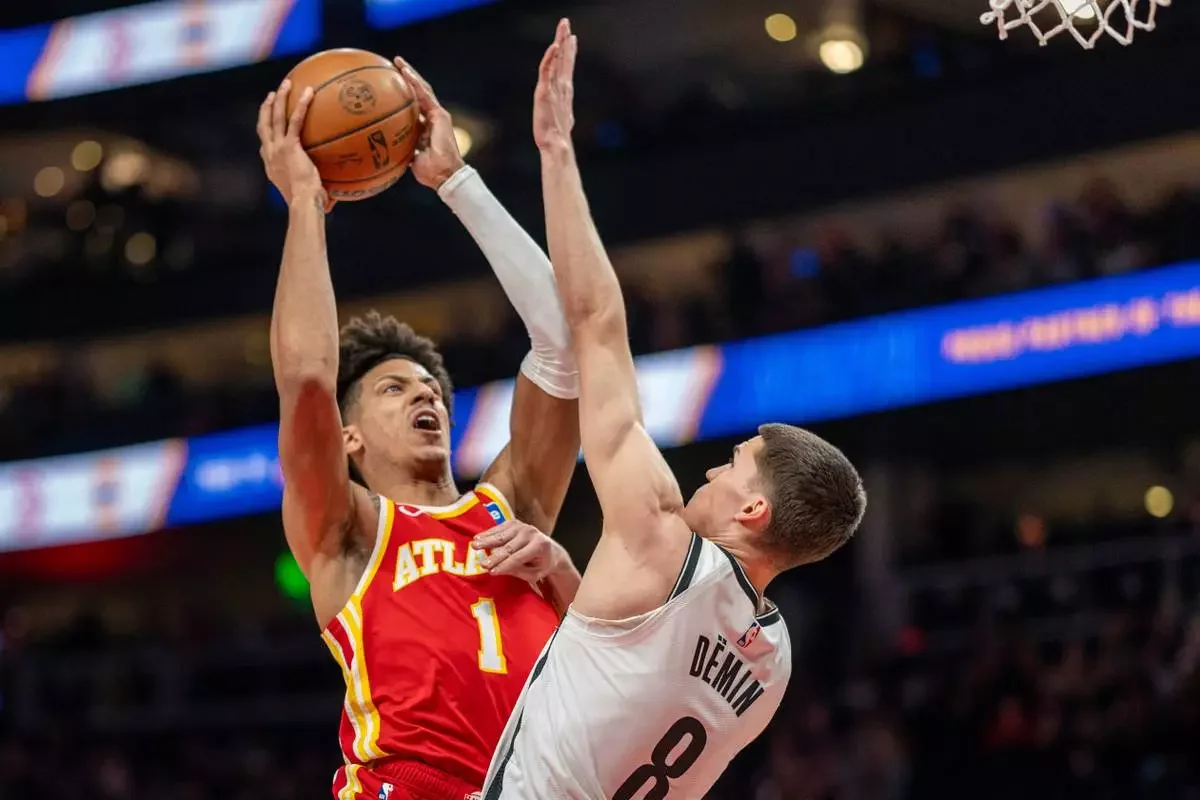
Offensively, Cleveland operates methodically rather than at a fast pace, maintaining efficiency by mixing rim attacks, three-point shots, and drawing fouls. This balanced approach matters greatly against Brooklyn, whose defense can struggle if forced to defend until the shot clock runs down. The Cavaliers’ ability to consistently penetrate and get to the free-throw line quickly diminishes Brooklyn’s error margin.
A key consideration isn’t whether Cleveland is superior but whether they maintain intensity throughout the game. As one source put it,
“are they in a mood to press the advantage?”
– a vital question when laying -11. If they take an early big lead and then ease up, the betting value declines significantly.
Finally, injury status plays a critical role. Bettors should track the Cavaliers’ injury report through game day, since any restrictions on starters or decisions related to player rest can rapidly undermine the prospects of covering a wide spread.
Brooklyn Nets’ Recent Form and Betting Context
The Brooklyn Nets have experienced a different trajectory this season compared to Cleveland. Their margin for error is tighter, and their best chance to stay competitive lies in effective perimeter shooting and freethrow opportunities. A struggling 3-point shooting night often results in a difficult game, especially against a defensive unit like Cleveland’s.
Playing at home, the Nets often adopt a more comfortable rhythm, speeding up pace slightly and allowing for earlier shot attempts. This style supports covering an +11 spread through increased scoring variance. Yet, Cleveland’s ability to limit those opportunities by applying defensive pressure poses a challenge. If Brooklyn settles for late-clock contested jumpers in half-court sets, overcoming the spread becomes a significant challenge.
On defense, Brooklyn’s main hurdle is sustaining stops without accumulating fouls. Against a structured offense like Cleveland’s, this can lead to long possessions ending in free throws—an unfavorable result for an underdog. The Nets tend to be more appealing alternatives for bettors when they can generate turnovers and push the pace, but without that, they risk losing the critical shot-quality battle.
For an up-to-date sense of Brooklyn’s performance and ability to cover the spread in home games, consulting their schedule and stats is recommended. As with Cleveland, injury developments just before tipoff can dramatically affect Brooklyn’s spread viability, especially if key players return or if Cleveland rests starters unexpectedly.
Breaking Down Key Matchup Factors Between Cleveland and Brooklyn
This game fundamentally hinges on Cleveland’s defense confronting Brooklyn’s offensive shot-making capabilities, which explains why the total is pegged at a relatively modest 222.5 points. Cleveland aims to impose a controlled tempo, enticing Brooklyn to take contested perimeter shots and feel defensive pressure late in shot clocks. Conversely, Brooklyn’s goal is to accelerate the pace, generate multiple early shot attempts, and rely on high-volume three-point shooting to remain competitive.
The game’s pace will be the first critical factor. A fast Cleveland start could lead to the Cavaliers slowing the game down, protecting a lead but possibly making the -11 spread harder to cover if the clock dominates play. Conversely, if Brooklyn stays close by halftime, Cleveland is likely to increase starter minutes and gameplay intensity to pull away late, a common pattern for favorites covering large spreads.
Shot-making quality is the second lever. Brooklyn’s success depends heavily on early three-point success. While Cleveland can secure wins without superior long-range shooting by focusing on inside plays and drawing fouls, Brooklyn’s failure to connect early could lead to rushed, lower-quality attempts and widen the spread in Cleveland’s favor. Early success might force Cleveland into a grind but makes the spread riskier to cover.
Additionally, four critical edges impact this matchup’s betting outlook:
- Cleveland’s ability to control turnovers and limit transition points for Brooklyn
- Brooklyn’s volume and quality of three-point opportunities
- Free-throw attempts and accuracy, where favorites often capitalize
- The pace and intensity during the fourth quarter, where blowouts can cause messy or volatile outcomes
Best Predictions and Wagering Recommendations for the Game
The favored bet currently leans towards Cleveland covering the -11 spread, provided they are at full strength and playing regular minutes. Their defensive prowess can impose stretched periods where Brooklyn struggles to create efficient scoring chances, a necessary condition for such a large spread to hold.
However, this is a conditional recommendation, heavily dependent on verifying player availability shortly before the game. Without confirmation that Cleveland’s key players will participate fully, the risk of this wager increases substantially.
The moneyline, at -543, offers poor value for straight bets and is generally only useful within parlays due to the high cost and low payout. Bettors should be cautious as rest decisions or a slow-paced fourth quarter could reduce Cleveland’s dominance.
Regarding the total points line of 222.5, the outcome could swing depending on the game’s narrative. A pace-controlled game with Cleveland suppressing Brooklyn’s scoring would favor the Under, while early three-point success for Brooklyn or fast-paced garbage-time play could push results Over. Personal preference tilts slightly toward the Under, given Cleveland’s defensive edge, but confirmation on rotational lineups is essential before wagering.
Overall, the cleanest betting angle is the spread on Cleveland -11.0 (-110), assuming no unexpected lineup changes occur.
Insights from Professional Handicappers on This Contest
When faced with large point spreads such as this, consulting multiple viewpoints is valuable. Different handicappers may align with the favorite or the underdog based on projected lineups and expected game flow, providing bettors with diverse perspectives to weigh.
Platforms like ScoresAndStats offer transparency by highlighting handicappers’ past performance statistics, return on investment data, and rankings. This allows bettors to follow experts with a proven track record rather than relying solely on confidence or gut instincts.
For those seeking higher-conviction picks, expert selections are available for purchase, enabling bettors to tap into professional analysis driven by data rather than narratives.

