
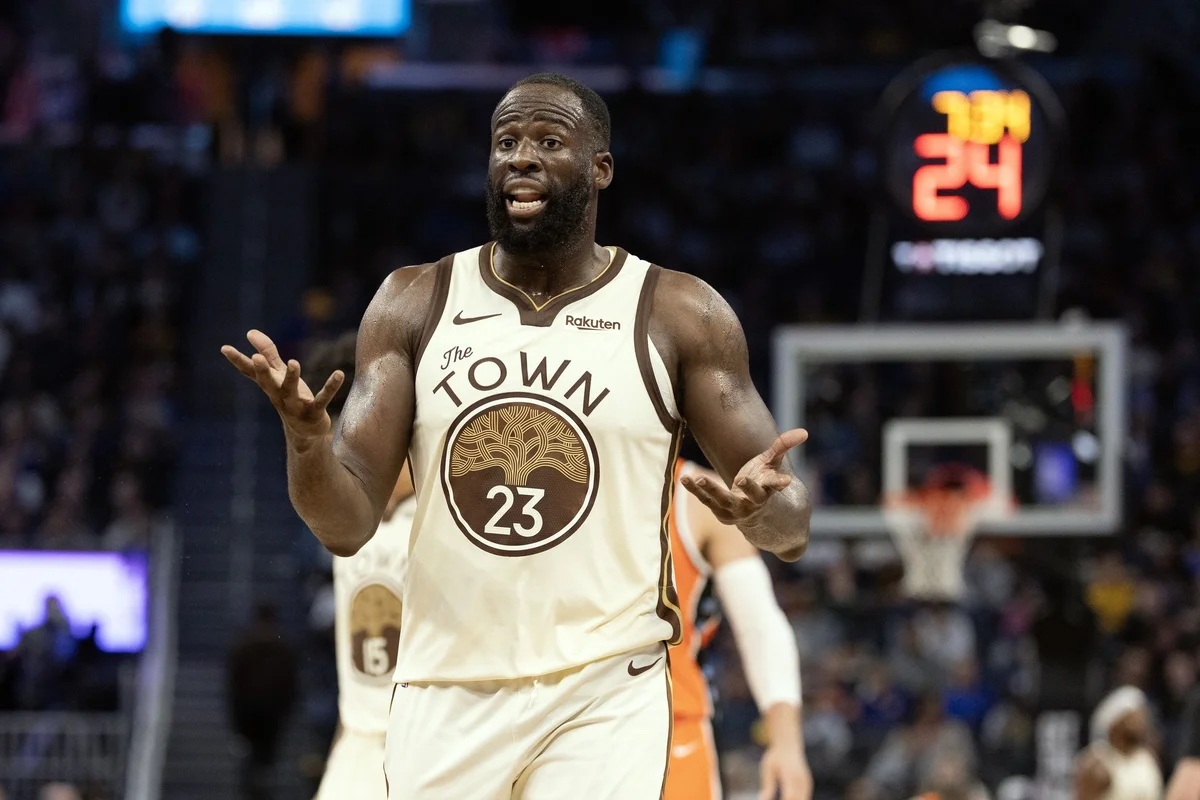
Draymond Green has publicly defended the Atlanta Hawks‘ Magic City Night event, addressing criticism about the promotion and the wider views on exotic dancing. Speaking from his perspective as a Golden State Warriors forward, Green emphasized that the skills involved in this line of work deserve genuine respect and should not be dismissed.
The Artistic Value of Exotic Dancing Highlighted
Green argued that exotic dancing is a form of art requiring real skill and expression, not something to be stigmatized. He explained that some people choose to partake while others do not, underlining the importance of respecting personal choices. Pointing to notable artists like Cardi B, who rose to fame with a similar background, Green stated the success and confidence these women have prove that dismissing their work as a sign of low self-esteem is misguided.
“I don’t know if you’ve ever been, but if you see it in action, it’s actually a form of art – that some choose to indulge in and some choose not to indulge in…[Cardi B is] selling out stadiums and her background would be that. I don’t think Cardi B has esteem issues. So, I think that’s actually a negative vantage point on these women that are in this line of work; that because they choose this line of work that they have esteem issues.” – Draymond Green, NBA Player
Wider Debate Around Magic City Night and Public Perception
The Magic City Night promotion sparked heated discussions online with mixed reactions, including strong criticism from Spurs forward Luke Kornet. Nevertheless, Green’s defense brings attention to the ongoing cultural conversation about how dancers and nightlife entertainers are perceived and valued. His remarks challenge the stigma and call for a more respectful understanding of their profession.
Understanding the Impact and Future Dialogue
Green’s comments add a significant voice to the discourse around Magic City Night and the status of exotic dancing in sports and entertainment culture. By framing the art as a legitimate form of expression, he encourages a reconsideration of societal biases. Moving forward, this discussion may influence how similar events are perceived and how those involved are respected both within and beyond the sporting world.
