
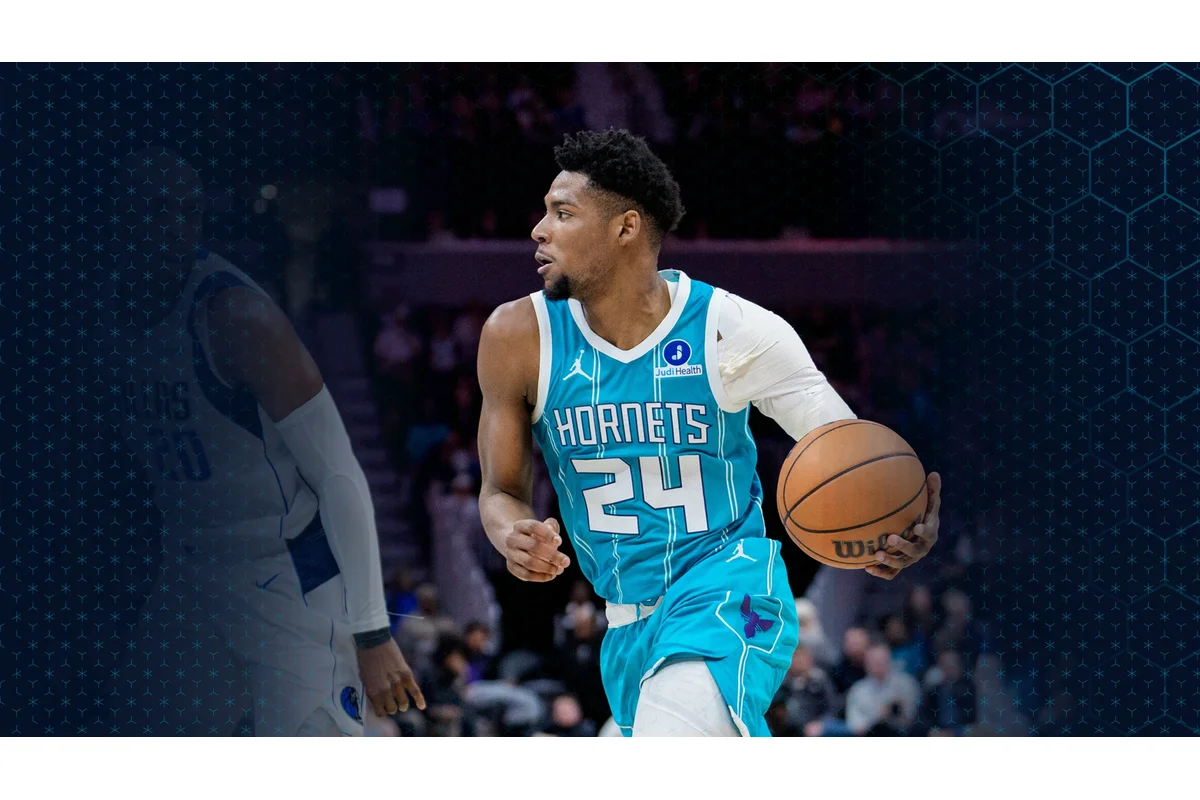
The Charlotte Hornets face a critical decision this offseason regarding Brandon Miller’s rookie max extension, a move that could shape the franchise’s future. Miller’s impressive play this season, despite battling a left shoulder injury, has made him a central figure in Charlotte’s plans, increasing the urgency to secure his contract and maintain the team’s momentum.
Brandon Miller’s Impact and Areas for Improvement
At 23 years old, Brandon Miller has become a vital component of the Hornets’ offense, offering more than the typical capabilities of a wing player. He stands out as the team’s most dynamic scorer, combining high-volume shooting with an exceptional ability to create scoring opportunities at all three levels. Notably, his proficiency in mid-range shooting is rare in today’s NBA, where most players prioritize three-point and paint scoring.
Since the All-Star break, Miller has averaged 20.7 points per game, shooting an efficient 47% from the field, 42% from three, and 86% from the free-throw line. In addition to scoring, he contributes as a reliable rebounder and defender, with his explosiveness at the rim providing highlight-worthy dunks. These attributes justified his selection as the No. 2 overall pick, as the Hornets believed he could develop into a future All-Star.
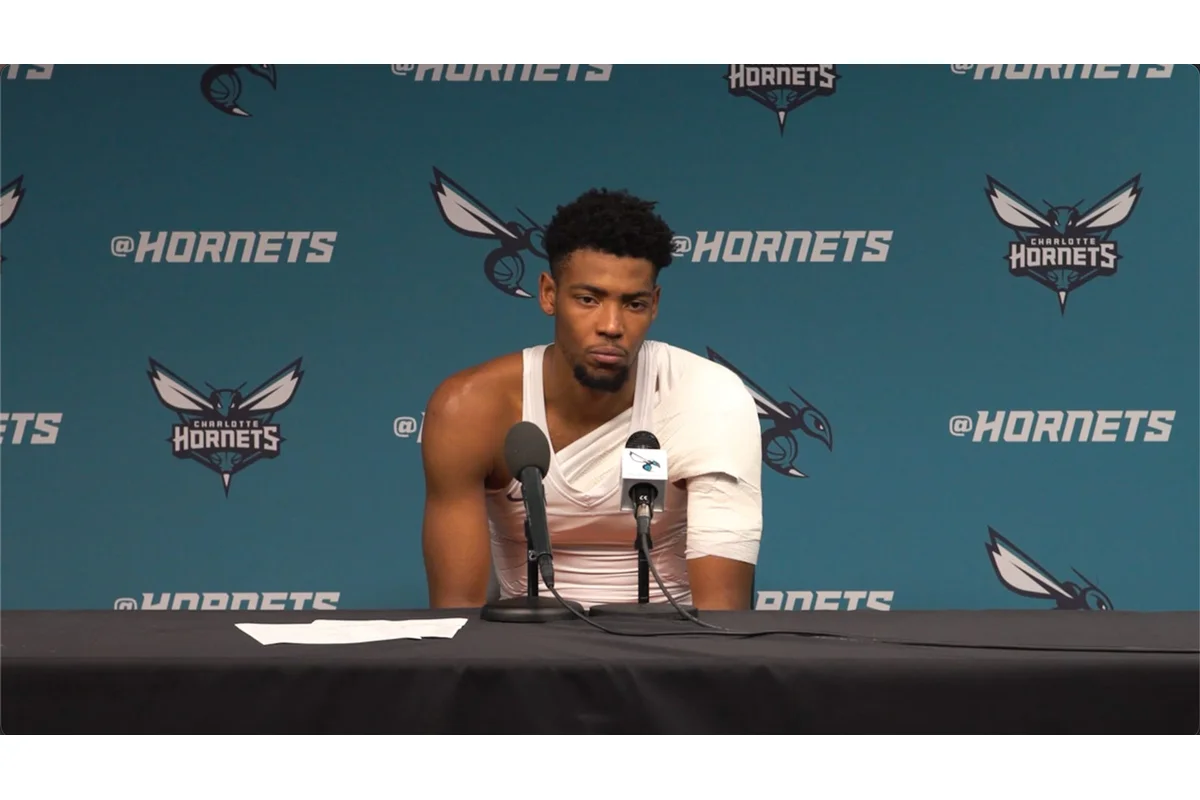
Nevertheless, Miller’s progression has been hampered by injuries, including a torn wrist ligament that ended his sophomore season prematurely and a shoulder subluxation that sidelined him for a month this year. These setbacks have added uncertainty to his development trajectory.
Moreover, Miller has experienced inconsistency, especially on nights when his shooting falters, resulting in some inefficient performances. His ball-handling is another concern. Frequently using a wide and loose dribble while bringing the ball up the court, Miller has struggled with turnovers, reflected in a modest assist-to-turnover ratio of 1.17.
Financial Considerations Behind the Extension
Opinions differ regarding whether Miller’s injury history and current performance justify offering him a rookie max extension, but there is no dispute about his status as a high-level starter. Recent examples show that players like Cade Cunningham and Paolo Banchero secured their max extensions without hesitation, whereas others, including Michael Porter Jr. and Chet Holmgren, draw more cautious evaluations because of health concerns.
What unites these players is their perceived role as undeniable foundational pieces for their franchises at the time of signing. Although some of these investments may face challenges down the line, such risks are inherently tied to committing to young talent. For the Hornets, the question remains: what is the alternative if they do not retain Miller?
Players with Miller’s combination of size, skill, and long-term potential do not come around regularly. Every team in the league values a versatile wing like him. When fully healthy, Miller has a real shot at making an All-Star leap as soon as next season. For Jeff Peterson and the Hornets’ front office, paying Miller now represents an opportunity to secure a core player essential to the franchise’s ambition of becoming a long-term contender in the Eastern Conference.
“Players with Miller’s blend of size, skill, and long-term upside don’t just appear on demand.”
– Jeff Peterson, Hornets Executive
The decision on Miller’s contract will likely signal Charlotte’s approach to building a competitive future. Prioritizing him in their salary cap plans ensures continuity and increases the chances of sustained success, especially for a small-market team striving to establish itself among the conference’s elite.
