
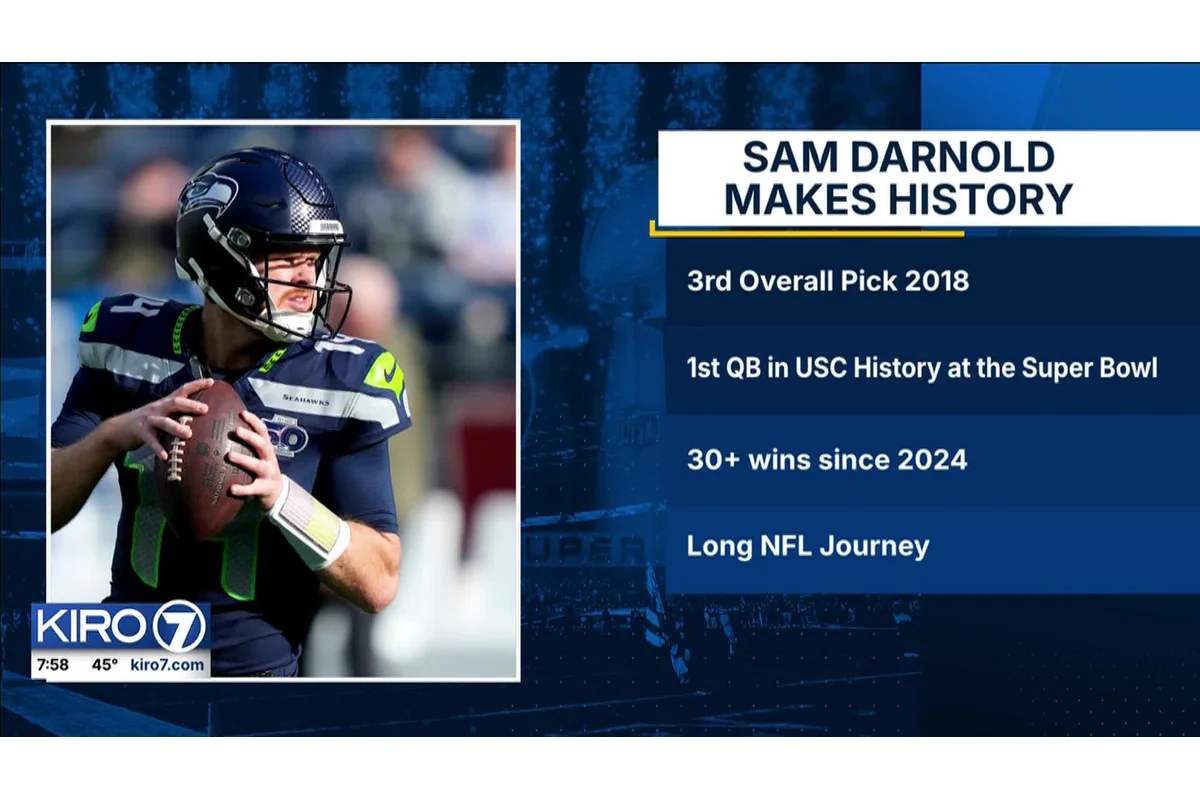
In a recent controversy involving NFL finances, former Cincinnati Bengals quarterback Boomer Esiason sharply criticized California’s tax policies after Sam Darnold, a winning player at Super Bowl LX, faced a substantial tax penalty. Darnold’s situation arose from California’s state income tax applied during the Super Bowl held at Levi’s Stadium in Santa Clara, causing significant financial strain despite his victory.
The issue centers on how California taxes players for duty days, which include practices and media obligations leading up to the game. This taxation not only affected Darnold’s bonus but also a portion of his broader earnings attributable to his time spent in the state. Esiason’s comments have raised questions about the fairness of such tax rules, especially with Super Bowl LXI planned again in California.
Boomer Esiason Calls for NFL to Rethink Hosting Super Bowls in California
Sam Darnold earned a $178,000 bonus after Seattle’s 29-13 win against New England at Super Bowl LX, but California’s taxing method resulted in him owing approximately $249,000 in state taxes. This unusual outcome meant Darnold lost around $71,000 despite his championship triumph. The tax is based on the number of days players spend working in the state, including training and media appearances, which extended to about seven days for Seattle’s team.
Esiason responded pointedly to this imbalance, stating,
“If I’m the NFLPA, I’m like, ‘Hey, we’re not playing any more Super Bowls in California, we’re just not doing it.’”
He emphasized that these duty days triggered taxation on Darnold’s entire salary, not just the bonus, pushing his total state tax burden to nearly a quarter-million dollars.
Understanding the State Tax Burden on Players During Super Bowls Held in California
California’s approach taxes visiting professional athletes on prorated income related to their time in the state, including all official activities beyond the game itself. Its top marginal tax rate of 13.3 percent can heavily increase their financial obligations. Darnold’s case, where the tax exceeded his bonus, highlighted how a player’s biggest career achievement might result in unexpected losses.
The backlash from Darnold’s situation has intensified calls for the NFL Players Association to reconsider allowing the Super Bowl to take place in California under current taxation laws. With the next Super Bowl scheduled in the same state, the financial risks for players remain a pressing concern unless changes are made.
Broader Reactions and the Future Outlook for NFL Players Facing Tax Challenges
The controversy surrounding Sam Darnold’s tax bill has sparked debate among players and analysts alike, reflecting frustration with state tax rules impacting athletes’ earnings during high-profile games. While figures like Boomer Esiason have urged the NFL to boycott California as a venue, it remains uncertain how the players’ union will respond.
The situation underscores the growing scrutiny on tax policies affecting professional athletes and could influence negotiations about future championship locations to protect players from similar financial setbacks.
Sam Darnold lost money on Sunday?? Boomer says the NFLPA should shut down any future Super Bowls in California: pic.twitter.com/3Rki5K6HT4
— WFAN Sports Radio (@WFAN660) February 9, 2026
