
WWE superstar and Chicago Bears enthusiast Seth Rollins has strongly criticized the speculation about the Bears relocating to Indiana, labeling the talk as a “total PR stunt.” This controversy comes as the Bears seek $850 million in public funding to support infrastructure development around their proposed stadium site in Arlington Heights, Illinois, a move that could drastically shift the team’s future and its connection to Chicago.
Although the Bears have committed $2 billion of private financing to develop the new stadium and plan to move after their lease at Soldier Field expires in 2033, Illinois state officials have not yet agreed to the funding. Meanwhile, Indiana has offered support to entice the franchise, intensifying the debate over the team’s potential departure from Illinois.
Negotiations Stall in Illinois as Indiana Seeks to Attract Bears
When the Bears acquired a 326-acre site in Arlington Heights in 2021, many fans believed it signaled the team’s long-term commitment to Illinois. However, disagreements persist over approximately $100 million in public infrastructure contributions needed around the planned dome stadium, causing delays in finalizing agreements.
In contrast, Indiana lawmakers have unanimously passed an amendment to State Bill 27 that would back the Bears if they opted to move to Wolf Lake, just 25 minutes from Soldier Field. This location offers economic advantages for Indiana while posing a significant loss to Illinois, which would see its most prominent sports franchise leave the state.
Illinois legislators remain determined to prevent the relocation, understanding that the departure could hurt one of the state’s major employers and revenue sources.
Seth Rollins Expresses Confidence in Caleb Williams and Bears’ Prospects Despite Uncertainty
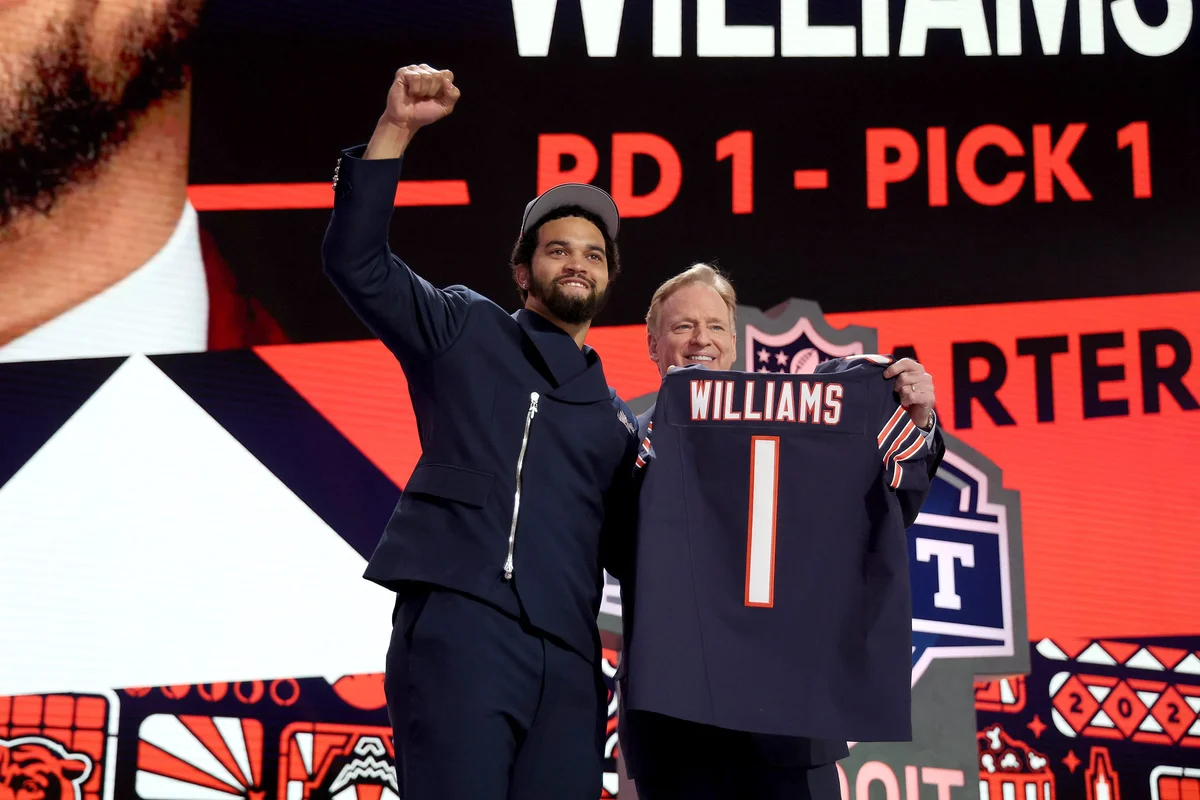
For Rollins, a devoted fan, the idea of the Bears shifting their home and possibly their identity is difficult to contemplate. Nevertheless, he remains optimistic about the team’s performance, particularly with quarterback Caleb Williams and head coach Ben Johnson leading the charge.
They’ve got a QB and a coach. You see, the modern NFL, that is the recipe for success… The Bears to win the North this year was huge.
Rollins pointed to historic NFL duos such as Tom Brady and Bill Belichick, as well as Patrick Mahomes and Andy Reid, to highlight how critical the player-coach relationship is to sustained success. He believes that with Williams and Johnson, the Bears have the potential to exceed expectations and possibly contend for a Super Bowl appearance in the near future.
Last season’s progress, Rollins argued, was only a glimpse of what the team could achieve moving forward.
Debate Over Team Loyalty and Identity Amid Relocation Talks
In a conversation on Club Shay Shay, Rollins dismissed the notion of renaming the team to the “Gary Bears” if the move to Indiana happens, calling the idea “absurd” and a “PR stunt.”
There’s no way, c’mon. Can you imagine it, the Gary Bears? Come on. Get out of here. That’s a PR stunt. There’s no way… They’re not leaving Illinois. There’s no chance.
– Seth Rollins, WWE Superstar and Bears Superfan
Sharpe reminded Rollins that the Kansas City Chiefs faced similar threats before eventually relocating from Missouri to Kansas. While Rollins acknowledged that move, he emphasized the Bears’ history and legacy could not withstand a similar change in location or identity as easily.
Potential Impact of Bears’ Relocation on Regional Sports and Economy
Should the Bears relocate to Indiana, Illinois would lose one of its most significant sports franchises, which would not only affect fans but also impact jobs and local businesses connected to the team and Soldier Field. The close proximity of the proposed Wolf Lake site to Chicago makes the move feasible for the team but presents serious economic and cultural consequences for Illinois.
Indiana’s willingness to provide legislative and financial support contrasts sharply with Illinois’ ongoing reluctance to approve the requested infrastructure funding, setting the stage for extended political and public disputes over the Bears’ future home.
This battle highlights broader tensions between state governments over the lucrative benefits professional sports franchises bring and the challenges teams face when negotiating stadium deals and financial incentives. The unfolding situation will be closely watched by fans, lawmakers, and sports industry analysts as the 2033 Soldier Field lease deadline approaches.
"The Gary Bears? Come on. Get out of here. That's a PR stunt. There's no way. They're not leaving Illinois. There's no chance." – @WWERollins
"They said that same thing about the Chiefs not leaving Missouri." – @ShannonSharpe
"That's fair. As long as we still call them the… pic.twitter.com/Y30krSPI6J
— Club Shay Shay (@ClubShayShay) February 19, 2026
