
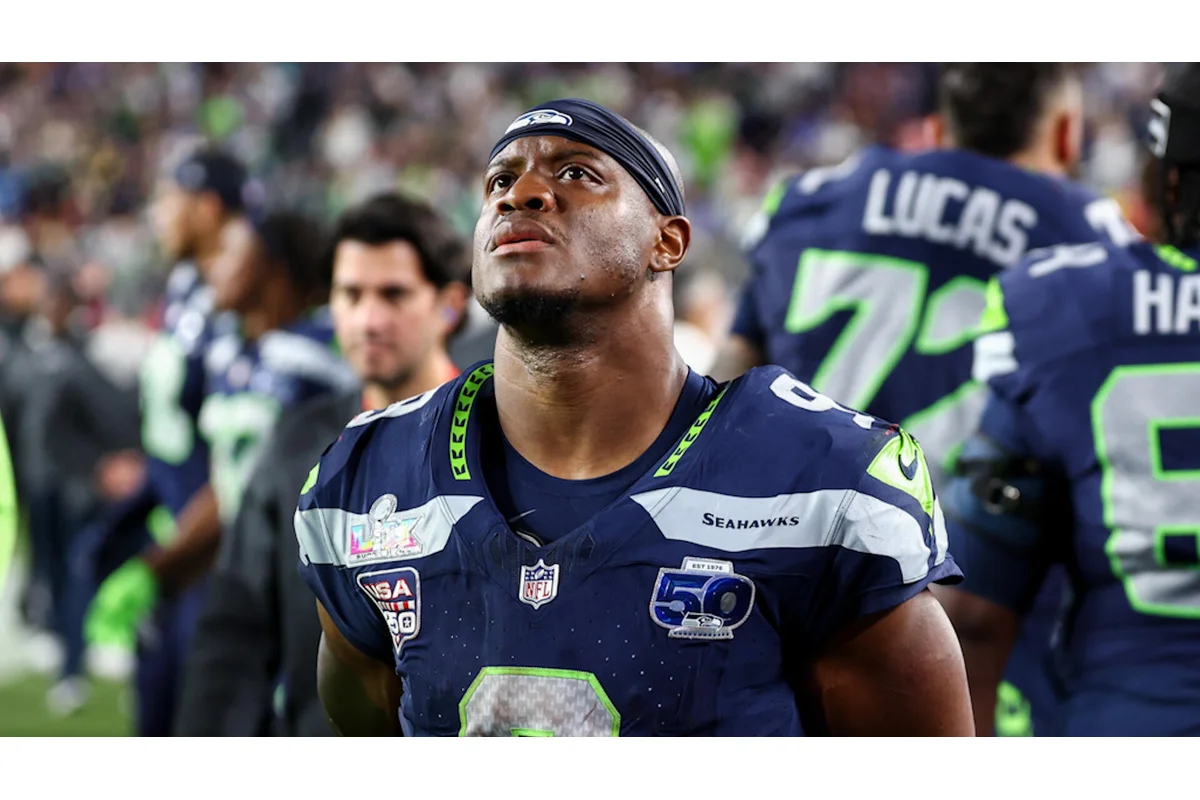
Kenneth Walker III was a central figure in the Seattle Seahawks’ postseason success, leading the team to victory in Super Bowl LX with an outstanding performance. The 25-year-old running back rushed for 135 yards in the championship game, marking the highest rushing total in a Super Bowl since Terrell Davis achieved the feat 28 years earlier. This effort was Walker’s best output of the season, highlighting his critical impact on the Seahawks’ offense.
Walker’s achievement gains further significance given the injury to fellow running back Zach Charbonnet, who tore his ACL during the Divisional Round. Despite losing a key teammate, Walker dominated the ground game when it mattered most.
Lessons from Seahawks Legends on Running Back Usage
Former Seahawks quarterback Matt Hasselbeck, who guided the team to the Super Bowl alongside MVP running back Shaun Alexander, shared insights on the importance of managing running back workloads. Alexander’s 2005 season included 1,880 rushing yards and an NFL record 28 touchdowns, exemplifying the value of a strong running back in postseason success. Hasselbeck emphasized how this philosophy is reflected in the current Seahawks’ approach with Walker and Charbonnet.
Seattle’s Strategic Approach to Running Back Load Management
As a pending free agent, Kenneth Walker’s future with the Seahawks is a major focus for the organization. Hasselbeck praised the Seahawks’ front office, particularly general manager John Schneider and coach Mike Macdonald, for their disciplined plan of managing Walker’s carries across the season.
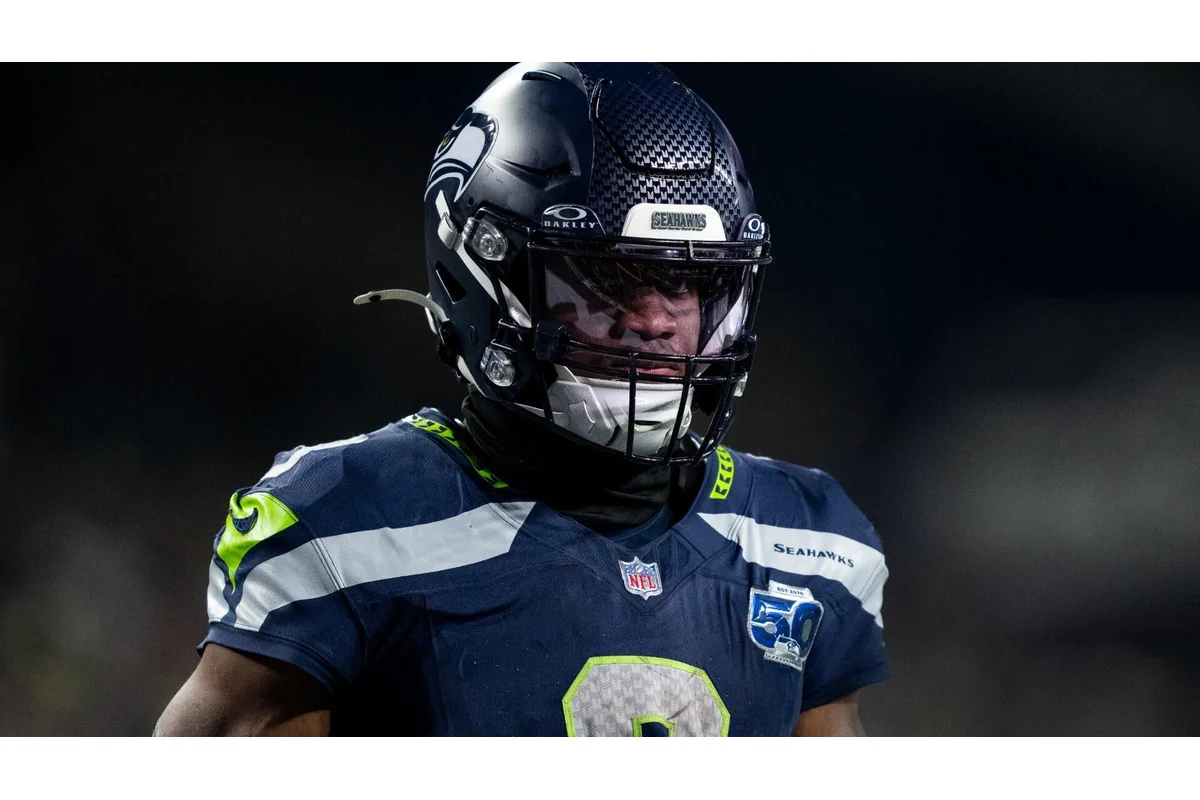
“He’s going to be a free agent, but I think quite honestly, I think John Schneider and Mike Macdonald did a great job this year of sticking to their plan and their process of load management with him,”
said Hasselbeck in a one-on-one interview.
“He shared the load for a good part of the year with Zach Charbonnet. Zach Charbonnet had double-digit touchdown, fantasy owners were freaking out. Twitter was going nuts — what are we doing? But that’s the whole thing. You gotta trust these coaches to know what their plan is. Their plan was for Kenneth Walker to be at his best — not in November or December, but in February in Santa Clara.”
The Seahawks effectively deployed a one-two rushing attack, with Walker accumulating 1,027 yards and five touchdowns, and Charbonnet delivering 730 yards and a team-leading 12 rushing touchdowns. This balanced rushing offense propelled the Seahawks to the third-ranked NFL offense overall.
Overcoming Adversity After Charbonnet’s Injury
Zach Charbonnet’s ACL injury posed a serious challenge to the Seahawks’ running game, but Walker maintained peak performance deep into the season despite the physical demands.
“Zach Charbonnet, unfortunately, got hurt with the ACL injury,”
Hasselbeck noted.
“But I would just say that Kenneth Walker looked his best at the end of the year when a running back shouldn’t be feeling his best. But they stuck to the plan with load management and training camp load management in-game and throughout the season. That one-two punch I do believe is important. You got to stick to your guns and have the conviction and the results is kind of just stick to your process and stick to your plan.”
Hasselbeck credited the Seahawks organization for remaining steadfast in their strategic approach amid public pressure, underscoring the discipline required to optimize Walker’s late-season success.
Commitment to a Long-Term Running Back Strategy
John Schneider’s leadership has been instrumental in shaping the Seahawks’ roster-building and player management philosophies since Hasselbeck’s final season in 2010. The franchise’s confidence in its plan sets it apart from organizations influenced by external criticism.
“A lot of organizations, they’re wishy washy, and they get swayed by public opinion and talk radio and all that kind of junk,”
Hasselbeck said.
“The Seahawks, they’re confident in their ability. They love their plan. And I think it’s a huge reason that K-9 plays so well late in the year. They had a plan for him, and it worked.”
This steadfast approach allowed Kenneth Walker, known as K-9, to peak at the crucial moment in the Super Bowl, ensuring the Seahawks’ offense had the ground game dominance necessary for championship success.
Implications for Walker’s Future and Seahawks’ Offense
With Kenneth Walker entering free agency, Seattle faces significant decisions in retaining their star running back, whose peak performance was orchestrated through deliberate planning. The success of the Seahawks’ rushing attack this season, led by Walker’s breakthrough, underscores the importance of maintaining a strong, managed backfield.
How the Seahawks address contract negotiations and continue to develop their one-two punch in the backfield will be critical in sustaining their offensive power and playoff aspirations in upcoming seasons.
