
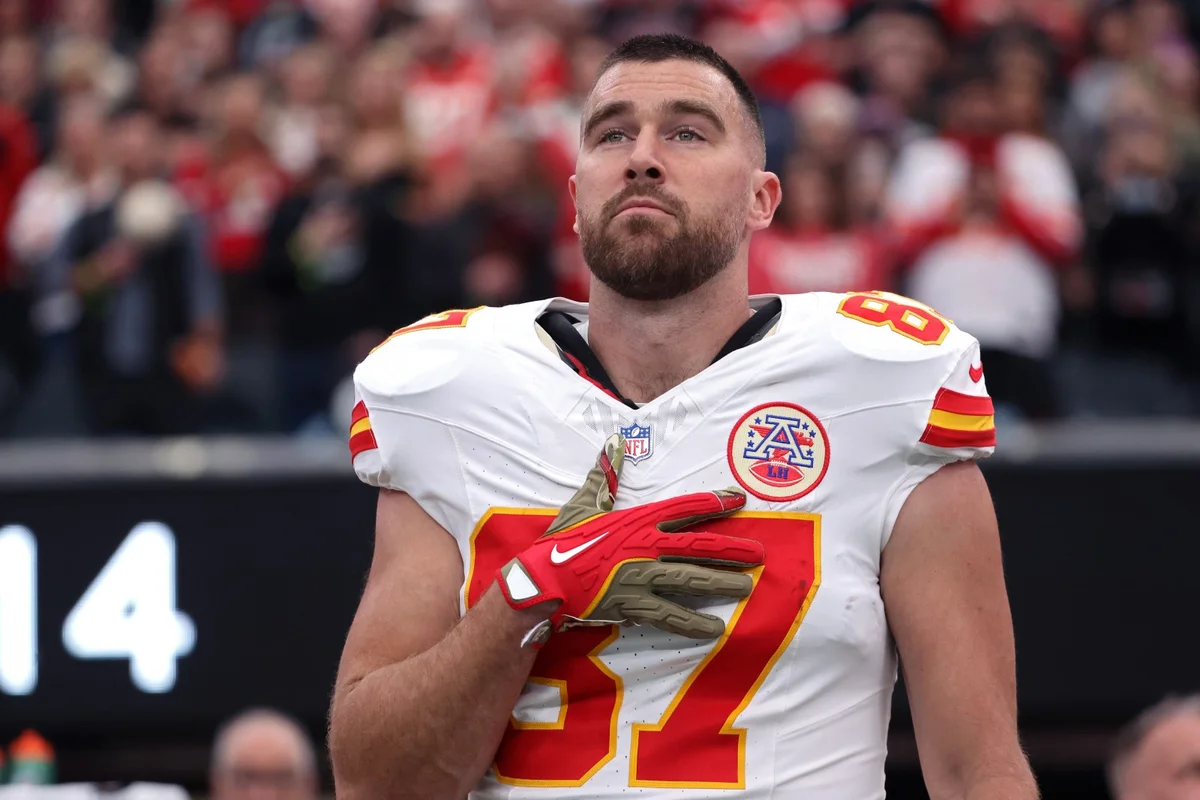
Replacing Travis Kelce stands as one of the most formidable challenges in the NFL today. As the cornerstone of the Kansas City Chiefs’ offense and a key figure in their locker room, Kelce’s potential departure threatens to leave a significant void just as he approaches free agency amid widespread speculation about his retirement.
Kelce’s upcoming wedding to singer-songwriter Taylor Swift later this year has intensified conjecture regarding his future with the team, as the couple prepares to embark on a new phase of life together. While extending his time with the Chiefs for another Super Bowl bid remains possible, it appears only a matter of time before Kelce steps away from professional football.
Assessing the Difficulty of Finding a Suitable Successor
The prospect of replacing Kelce poses a unique dilemma for Kansas City due to the tight end’s exceptional blend of athletic ability, football intelligence, and leadership presence. His contributions have consistently elevated the Chiefs’ offense and reinforced their locker room chemistry. Given these factors, identifying a young player—whether entering through the 2026 NFL Draft or free agency—capable of matching Kelce’s impact is a complex task.
It’s crucial to understand that the Chiefs do not necessarily need a player who replicates Kelce’s exact skill set. Few tight ends in NFL history have combined his precise route-running, seamless rapport with the quarterback, and clutch performances as effectively. Instead, the team’s approach should focus on cultivating the unique strengths of a developing talent over time rather than expecting immediate replication of Kelce’s production.
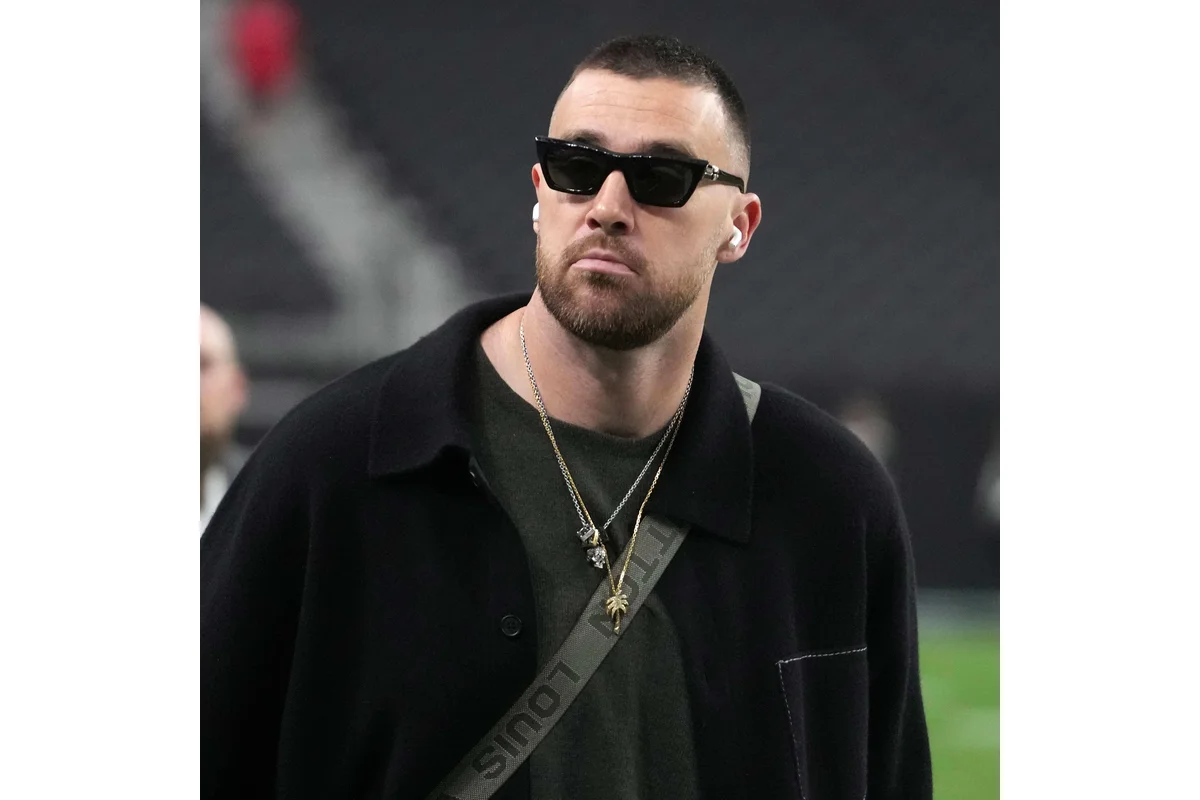
Kansas City’s Developmental Environment for Emerging Talent
Fortunately, the Chiefs’ organizational culture under head coach Andy Reid is well-equipped to support the growth of young tight ends. Players such as Vanderbilt’s Eli Stowers and Oregon’s Kenyon Sadiq exemplify prospects who could thrive within this nurturing system. Kansas City fosters an atmosphere that blends rigorous preparation with patient mentorship, essential for helping less experienced players adapt and flourish in the professional arena.
The Chiefs’ strategy centers on developing a young player’s football IQ, versatility, athleticism, and emotional maturity, tailoring growth to the individual’s strengths. This approach embraces the idea that the next tight end may carve out their distinct path to success rather than striving to fill Kelce’s considerable shoes directly.
Leadership and Mentorship as Key Factors in Transition
The maturation of young players both on and off the field is a crucial component of the Chiefs’ long-term vision. The franchise emphasizes a culture of trust, accountability, and preparation, reinforced by veteran leaders who actively mentor new talent. This environment nurtures confidence and resilience, vital attributes for any player stepping into a high-pressure role such as the tight end position.
Head coach Andy Reid’s reputation for patience and a players-first philosophy greatly enhances this developmental framework. Reid balances firm discipline with genuine care, encouraging young athletes to learn from their mistakes rather than fear them. This human-centric coaching approach fosters growth and helps ease transitions from college to the professional level.
Kansas City’s reputation as a supportive franchise makes it an attractive destination for college prospects aspiring to rise in the NFL. Meanwhile, Reid and his coaching staff face the demanding yet inspiring task of guiding these prospects as they prepare to succeed one of the game’s premier talents.
Looking Ahead: The Long-Term Outlook for the Chiefs
The challenge of replacing Travis Kelce extends beyond finding a player with comparable statistics; it involves rebuilding a pivotal identity within the Kansas City Chiefs. While Kelce’s retirement will mark the end of a remarkable era, it also signals the beginning of a careful transition. The team’s commitment to mentorship and development positions them to adapt effectively, aiming to nurture a promising successor over time.
As the 2026 NFL Draft approaches, much attention will focus on which young athletes can fit into the Chiefs’ system and culture. Their ability to cultivate talent in the image of the franchise’s values may ultimately determine Kansas City’s continued competitiveness and capacity for future Super Bowl runs.
