
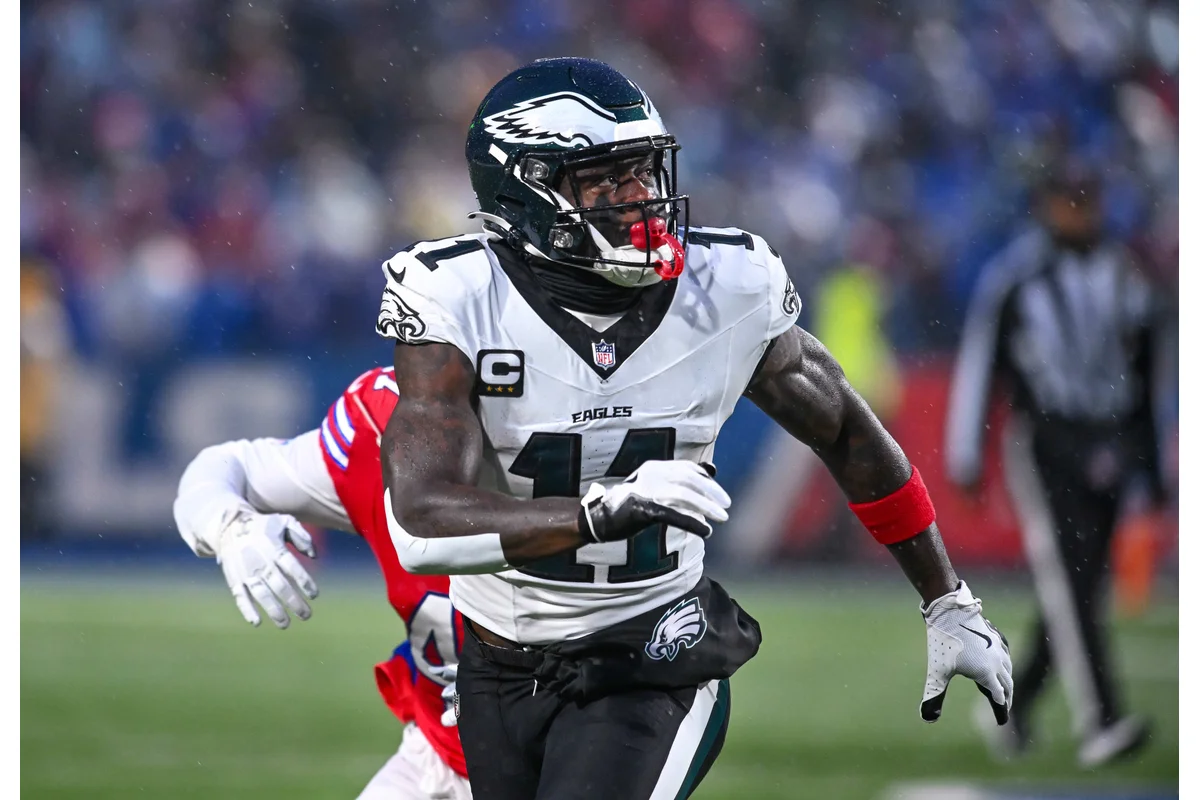
Philadelphia Eagles wide receiver A.J. Brown addressed mental health publicly on Monday, following the death of his teammate Rondale Moore over the weekend. Brown highlighted the emotional toll that recent losses in the football community, including Marshawn Kneeland and Kyren Lacy, have had on players and urged others to seek support.
The Emotional Struggles Facing NFL Players
Brown shared that he has faced mental health challenges since his early twenties and acknowledged the ongoing pressure athletes endure both on and off the field. He encouraged players experiencing difficult times to rely on their faith, connect with therapists, and use positive affirmations as tools to navigate adversity and overwhelming emotions. Brown emphasized that setbacks, criticism, and harsh words are temporary and do not define a person’s entire life.
Guys, I want you to understand in the NFL community—things aren’t always going to go your way,
Brown said.
You may not get everything that you desire. Sometimes this game is not friendly. People are going to say nasty things about you—call you this, call you that—but none of those things, in that moment, define you. You just have to understand that this is just a short period of time, a short moment in your life. That’s gonna [pass in the snap of a finger]. We have the rest of our lives to live. We are incredible human beings who can accomplish the world. You already made it to the NFL. Don’t get down on yourself. I understand how it feels, I understand what it feels like to try to take care of your family. I understand all of those things when you’re trying to achieve this, trying to achieve that.
A.J. Brown, Philadelphia Eagles wide receiver
The Wider Impact of Losses in the Football Community
The recent deaths of Rondale Moore, Marshawn Kneeland, and Kyren Lacy have raised awareness about mental health and well-being among NFL players. Brown’s message underlines the crucial need for continued conversation around these issues, especially amid the pressures that come with professional sports careers. His openness adds to a growing call for players to prioritize their mental health and access resources without stigma.
Looking Ahead: Addressing Mental Health in the NFL
Brown’s candid discussion about his own struggles and those affecting his teammates highlights the importance of mental health support within the NFL community. As these conversations become more common, they may encourage players to seek help earlier and foster a more understanding environment around mental health in professional sports. This shift could ultimately improve the wellbeing of players facing challenges both on and off the field.
