
The 2026 NFL Draft prospects rankings are released just as the NFL Scouting Combine kicks off, marking a crucial period for evaluations. These rankings highlight where players stand before the week of physical testing and interviews begins, offering a snapshot of emerging stars and position battles, especially among linebackers and cornerbacks, where the class is notably deep.
Leading Quarterbacks and Defensive Standouts Dominate Early Rankings
At the top, Indiana’s quarterback Fernando Mendoza leads the list due to his impressive arm talent, poise under pressure, and strong football intelligence, providing a stark contrast to prior top picks like JaMarcus Russell. Miami’s Rueben Bain Jr. commands attention as an edge rusher with relentless pressure generation, despite a body type that defies traditional molds. Ohio State’s Arvell Reese impresses with his rare combination of pass-rushing traits and physical play strength, though his experience is limited.
Alabama’s Kadyn Proctor and Utah’s Spencer Fano highlight the offensive tackle group, with Proctor boasting imposing size and strength while Fano stands out for his quickness and run-blocking in space. Wide receiver Jordyn Tyson of Arizona State offers creative route-running and quick releases, though durability remains a concern due to repeated injuries.
Defensive backs Caleb Downs and Carnell Tate of Ohio State shine with clean film and the potential to contribute immediately, while Tennessee cornerback Jermod McCoy’s preseason ACL injury clouds his otherwise excellent sophomore campaign. Ohio State’s linebacker Sonny Styles combines unique athleticism with size and position versatility, solidifying his status as a premier prospect.
Key Position Battles and Notable Prospects Across the Board
Cornerback rankings feature Clemson’s Avieon Terrell, who complements his brother A.J. Terrell’s NFL success with a more physical style, and LSU’s Mansoor Delane, whose feet and coverage have limited receptions significantly. Clemson’s Peter Woods draws interest with explosive potential on the defensive line, though his recent production has been inconsistent.
Other offensive linemen worth noting include Utah’s Caleb Lomu with standout pass protection skills and Penn State’s Olaivavega Ioane, who excelled in run blocking by allowing no sacks or hits last season. Notre Dame running back Jeremiyah Love and Indiana’s Omar Cooper Jr. illustrate the growing diversification in running back profiles, combining explosiveness and quality yards-after-catch abilities.
USC’s Makai Lemon is regarded as the purest wide receiver prospect, while Texas Tech’s David Bailey’s flair as a speed rusher places him among the most feared edge rushers. Miami’s Francis Mauigoa exemplifies robust run blocking, improving each season as a reliable right tackle. Texas Tech’s Lee Hunter similarly impresses as a versatile nose tackle focusing on run defense.
Young Talents and Intriguing Prospects Raise Interest
Clemson’s Blake Miller stands out as an experienced, explosive tackle with strong past pass protection growth. Arizona State’s Max Iheanachor offers a project player with potential, thanks to a late start to football and rapid improvement. Texas A&M’s Cashius Howell emphasizes effective pass rushing, while Ohio State’s Kayden McDonald excels as a stout run defender.
Miami’s Akheem Mesidor showcases crafty hands and strength but may face longevity questions due to age. Auburn’s Keldric Faulk represents a “tweener” whose raw pass-rushing skills contrast with solid run defense, framed by youth and developmental upside. Toledo’s Emmanuel McNeil-Warren fits the mold of a box safety with physical tools to thrive downhill.
Oregon’s Kenyon Sadiq blends modern receiving and blocking skills as a tight end, while Texas linebacker Anthony Hill Jr. combines physical traits and fluid movement to cover slot receivers effectively. Texas A&M’s KC Concepcion impresses with separation ability, though ball security issues temper his stock.
Quarterbacks and Wide Receivers Show Promise Amid Risks
Alabama’s Ty Simpson exhibits traits of a developing franchise quarterback with mobility and arm talent, though injuries have limited his consistency. Washington’s Denzel Boston blends size and sophisticated route-running reminiscent of his NFL wide receiver father, David Boston, but lacks consistent quickness against defenders.
Oregon safety Dillon Thieneman is among the top coverage defenders, while Missouri linebacker Josiah Trotter, son of former NFL linebacker Jeremiah Trotter, demonstrates veteran-level instincts. Tennessee’s Colton Hood steps up as a physical press corner in the absence of Jermod McCoy, exhibiting the speed to recover in coverage.
Georgia linebacker CJ Allen’s physicality makes him a punishing downhill tackler, complemented by defensive end Christen Miller’s strong two-gap run defense fitting the 3-4 scheme. Arizona State corner Keith Abney’s reliability in man and zone coverage stands out despite unremarkable physical traits.
Strengths and Concerns Highlight Prospect Profiles in Mid-Range Rankings
Oklahoma’s R Mason Thomas exemplifies a compact, power-driven edge rusher, though questions remain about his run-down durability. Auburn center Connor Lew offers steady play and youth but must recover fully from a torn ACL. San Diego State’s Chris Johnson earns praise for man coverage at a solid level of competition, with promising Senior Bowl performances.
Alabama receiver Germie Bernard ranks among the most NFL-ready with reliable hands and route mastery, whereas Texas A&M’s Trey Zuhn III stands out for exceptional pass-blocking technique. Florida’s Caleb Banks exhibits flashes of dominance but struggles with inconsistency and injury history.
Indiana’s D’Angelo Ponds is a tape standout at cornerback, offset by concerns over his smaller stature. Mississippi State’s Brenen Thompson emerges as the top deep threat wideout with elite speed but potential size limitations. Clemson’s T.J. Parker brings power to the defensive end role, though burst and strength remain questions.
Prospects Showcasing Leadership, Historical Connections, and Diverse Skill Sets
Texas A&M guard Chase Bisontis is a physical enforcer with a solid anchor, complementing the best pass protection line in college football. The rankings from 51 to 200 feature numerous prospects such as Oregon’s Emmanuel Pregnon and Georgia’s Monroe Freeling, who inhabit critical offensive line and skill position roles, alongside a mix of secondary specialists and defensive standouts.
Other names of note include Miami’s Keionte Scott, Pittsburgh’s Kyle Louis, and Notre Dame’s Jadarian Price, each bringing unique traits to their respective positions. Many players hail from renowned programs like LSU, Clemson, Alabama, Ohio State, and Texas A&M, reflecting the strong talent pipelines to the NFL.
The listing also highlights familial links, such as Missouri’s Josiah Trotter following in his father Jeremiah’s footsteps, adding an element of legacy and experience inside the linebacker ranks.
Inside the Depth Chart: Evaluating Beyond the Top 50
The mid and later rounds also deliver quality prospects capable of carving out NFL roles. Quarterbacks such as LSU’s Garrett Nussmeier and Clemson’s Cade Klubnik appear promising amid offensive linemen like Georgia Tech’s Keylan Rutledge and Kentucky’s Jalen Farmer. Wide receivers, tight ends, and linebackers fill out the rankings, illustrating a competitive class depth.
Noteworthy are developmental players like Arizona State’s Max Iheanachor and Ohio State’s Davison Igbinosun who blend physical tools with late-blooming careers. Defensive utility players and coverage specialists such as Georgia’s Daylen Everette and Kentucky’s Seth McGowan further strengthen the breadth of choices available to NFL teams.
Future Projection and Combine Impact on Prospect Status
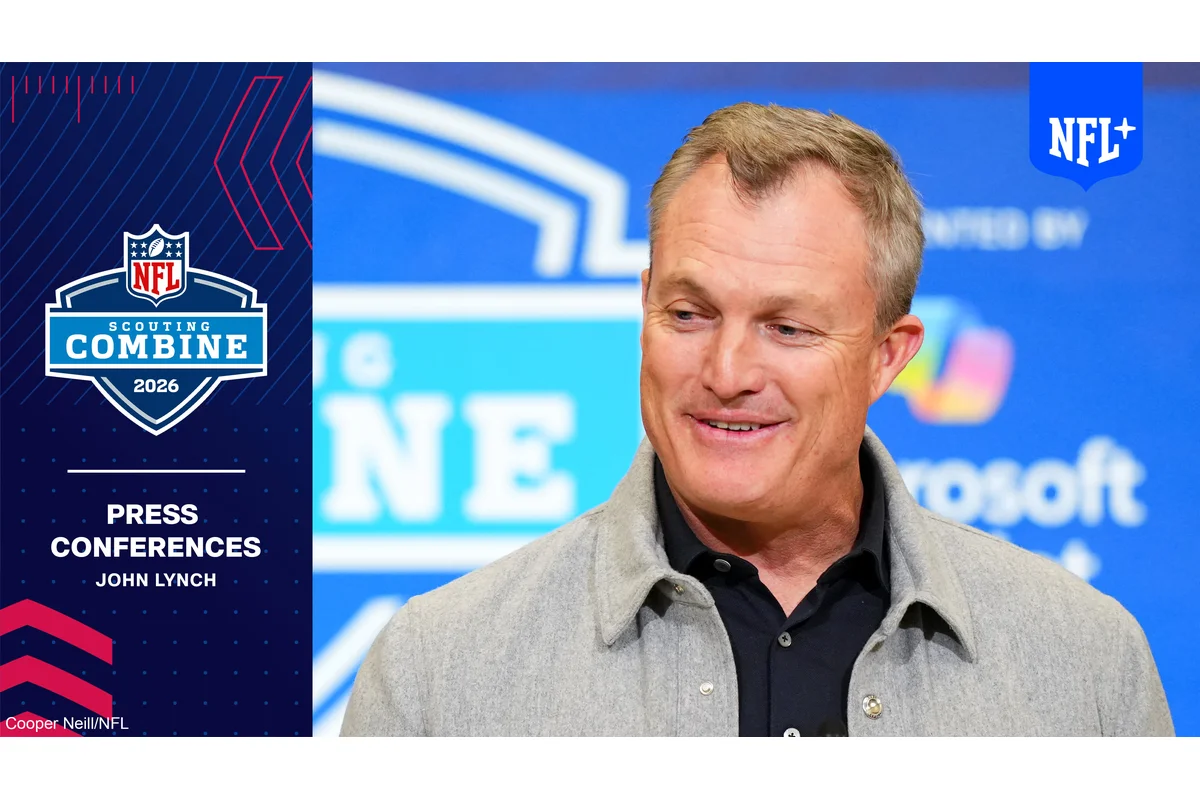
The upcoming NFL Scouting Combine will play a critical role in settling ties and reshaping perceptions across this extensive class. Positions with intense competition like linebacker and cornerback may see rankings fluctuate depending on measurable performances, medical evaluations, and interviews. Veteran evaluators will closely monitor physical traits, injury histories, and mental acuity during the week’s drills.
Overall, the high volume of talent covering a diverse range of positions ensures this draft cycle will have lasting implications on NFL rosters and strategies. Teams with pressing needs in the trenches, pass rushing, secondary, and quarterback spots have a deep pool of high-upside prospects to analyze as they prepare for the draft process ahead.
