
The Cleveland Browns moved swiftly before the new NFL league year started, completing a trade with the Houston Texans to acquire veteran offensive tackle Tytus Howard. In exchange for a 2026 fifth-round pick, Cleveland secured a dependable starter who has been a mainstay on Houston’s offensive line for seven seasons. To finalize the deal, the Browns signed Howard to a three-year, $63 million contract extension, ensuring his presence through 2029 and solidifying his role as a key component in the team’s offensive line rebuild.
Addressing the Right Tackle Issue and Player Health Concerns
This acquisition effectively resolves the ongoing instability at right tackle, a position previously plagued by injuries to Jack Conklin. Conklin, a two-time All-Pro, struggled to maintain his health throughout his time in Cleveland and is now a free agent. Bringing in Howard offers much-needed durability and consistency, a critical factor for the Browns as they rebuild their offensive front.
Impact on Browns’ Draft Flexibility and Roster Decisions
With 29-year-old Howard assured in the right tackle spot, General Manager Andrew Berry gains more flexibility during the 2026 NFL Draft, particularly with the first two rounds. However, significant decisions remain to fill the other offensive line vacancies. Options include free agency, additional trades, or utilizing draft resources, likely requiring a combination of strategies. The status of veteran guard Joel Bitonio, who will decide on retirement by March 13, also plays a crucial role in shaping the guard position. Meanwhile, center duties might fall to Luke Wypler, provided he stays healthy, while young veterans Dawand Jones and Zach Zinter compete for playing time but currently lack reliability as starters.

Draft Strategy: Prioritizing Best Available Talent Over Position Needs
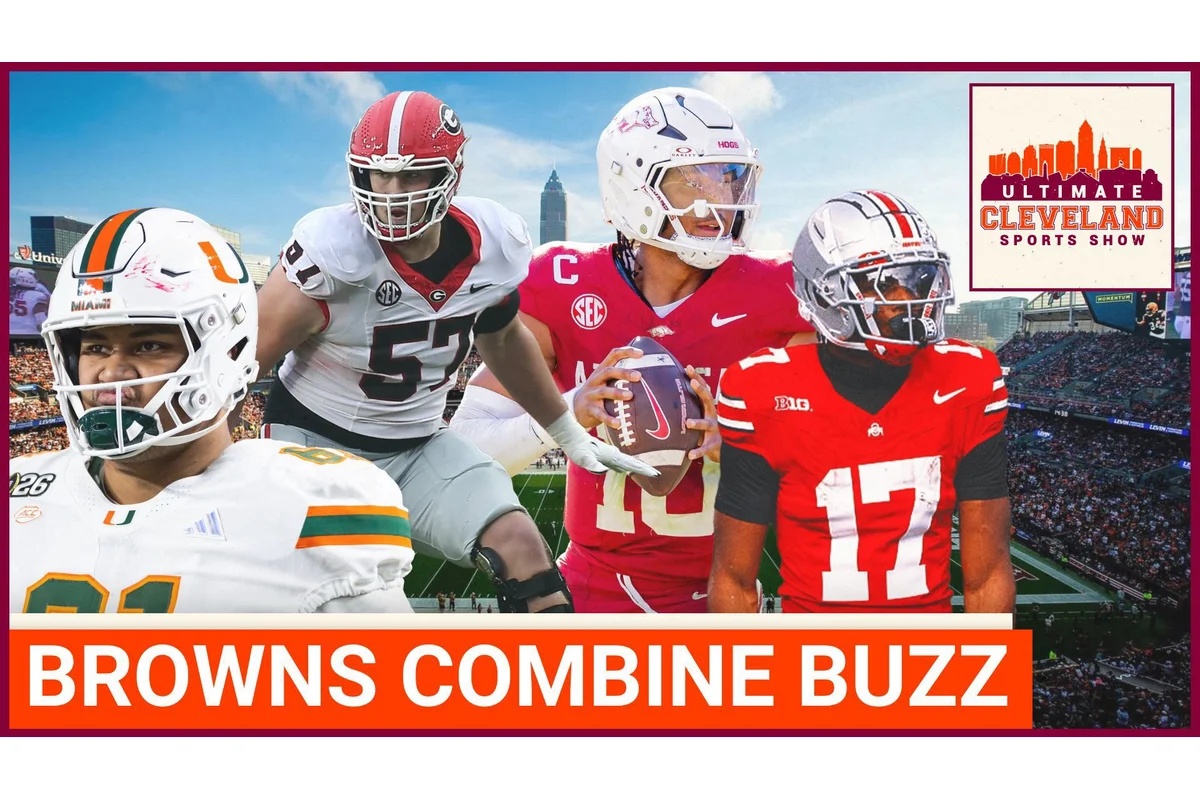
With the right tackle position stabilized, the Browns can focus on selecting the best available players with their initial three 2026 picks at No. 6, No. 24, and No. 39. The absence of a clear-cut elite left tackle prospect in the top six allows Berry to prioritize offensive skill positions or defensive game changers. Ohio State’s Carnell Tate, a highly rated wide receiver, presents one option to enhance Cleveland’s offense, while defensive stars remain intriguing possibilities at sixth overall.
Potential Picks and Positional Targets for Later Rounds
Depending on their top selection, Berry may address offensive tackle needs later in the draft, targeting prospects such as Monroe Freeling or Caleb Lomu. Alternatively, wide receivers like Denzel Boston or Malachai Fields could be options in the second round. The trade also opens space to consider versatile players, exemplified by Combine standout Gennings Dunker, who impressed despite his red-headed mullet and appears better suited for guard at the pro level. At No. 39, USC’s Ja’Kobi Lane, a formidable wide receiver known for explosive athleticism and statistics, remains a potential selection if the Browns forgo a receiver early.
Expanded Opportunities Shaping Cleveland’s Draft Approach in 2026
This trade for Tytus Howard broadens the Browns’ possibilities heading into the 2026 NFL Draft. Beyond stabilizing a vital offensive line position, it allows GM Andrew Berry to explore a wider array of prospects to complement the team’s evolving roster. Fans and analysts alike will be watching closely to see how the Browns balance drafting offense and defense as they navigate free agency and prepare for the upcoming draft.
Sources: The #Texans and #Browns have agreed to terms on a trade to send starting RT Tytus Howard to Cleveland in exchange for a fifth-round pick.
Much-needed OL help. Plus, Howard gets a new 3-year, $63M extension in a deal done by @malkikawa and Ethan Lock of @FirstRoundMgmt. pic.twitter.com/3X2PprFIjN
— Ian Rapoport (@RapSheet) March 2, 2026
