
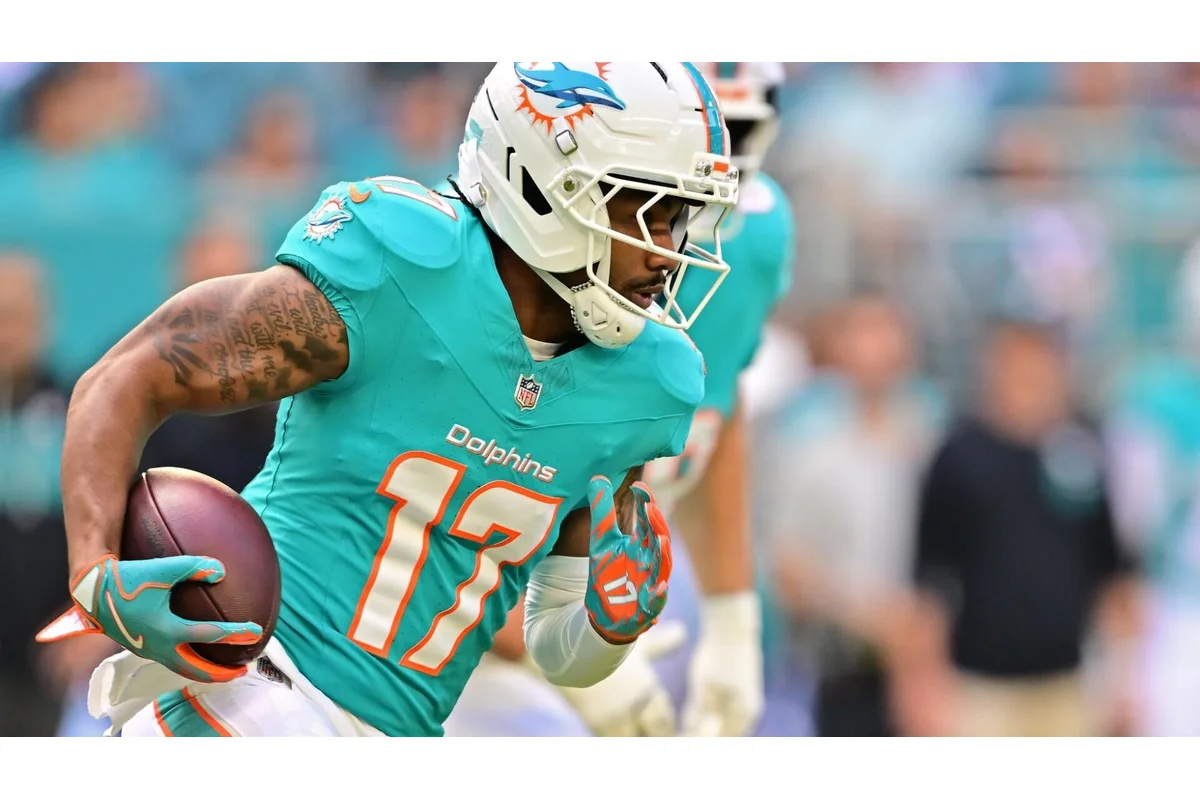
The Cincinnati Bengals face a critical moment as they prepare for the 2026 NFL Draft, holding the 10th overall pick. After a disappointing stretch marked by defensive struggles and missed playoff appearances, the team looks determined to bolster Joe Burrow’s offensive weapons rather than prioritize immediate defensive fixes.
Defensive Needs and Team Urgency
Following the NFL Combine in Indianapolis, the Bengals received a clear message about the urgency of shoring up their roster. The defense, which ranked near the league’s bottom in 2025, demands attention—particularly in the secondary where safety play has lacked consistency since veteran leaders departed. The expected loss of edge rusher Trey Hendrickson in free agency further emphasizes the need for a disruptive presence on defense. While the re-signing of guard Dalton Risner stabilizes the offensive line to some extent, there remain significant gaps in defensive line depth and linebacker support. With Joe Burrow in his prime, Cincinnati cannot afford another season wasted by defensive shortcomings.
First-Round Selection: Carnell Tate, Wide Receiver from Ohio State
Choosing Carnell Tate with the 10th pick signals Cincinnati’s willingness to take risks by adding offensive firepower despite defensive concerns. Tate’s long frame and impressive catch radius make him a strong candidate to serve as a boundary X receiver who excels in contested catches and blocking. Though he requires improvements in quickness and strength, his potential as a possession receiver with vertical threat upside provides an enticing option to enhance the Bengals’ attack alongside Burrow.
Doubling Down at Receiver in the Second Round
At 41st overall, Cincinnati selects wide receiver Chris Bell from Louisville, reinforcing their emphasis on overwhelming opposing defenses. Bell’s breakout performance and ability to generate yards after catch add a valuable dimension to the passing game. However, he still needs development in route running and blocking discipline to become a reliable explosive playmaker. His speed and physicality give Burrow another weapon capable of creating mismatches downfield.
Addressing Defensive Priorities in the Middle Rounds
Defense begins to take shape with the third-round pick of edge rusher Malachi Lawrence from UCF. Lawrence combines ideal size and length with a diverse pass-rush arsenal that creates early pressure opportunities. While consistency in run defense remains an area for growth, his suddenness and ability to vary his moves make him a promising piece to fill the void left by Hendrickson.
The Bengals continue strengthening the defensive front in the fourth round by selecting nose tackle Tim Keenan III from Alabama. Keenan’s strength and ability to hold the line in run defense offer Cincinnati much-needed interior toughness. Though not a primary pass-rusher, his role as a space-occupying presence will be crucial for controlling opposing running games and supporting the pass rush.
Secondary Reinforcements and Versatile Offensive Additions
In the sixth round, the Bengals add USC safety Bishop Fitzgerald, aiming to boost ball skills and takeaway potential in a secondary desperate for smarter, assignment-sound play. Fitzgerald’s instincts and coverage ability promise upside, though his run support requires refinement through coaching.
Also in the sixth round, Cincinnati selects running back Desmond Reid from Pittsburgh. Despite his smaller stature at 5-foot-8, Reid’s explosiveness and versatility as a receiver and special teams contributor fit the Bengals’ pace-oriented offensive style. His quickness provides a change-of-pace option to complement the backfield.
Rounding Out the Draft with Developmental Prospects
The seventh-round selection of wide receiver Caleb Douglas from Texas Tech rounds out Cincinnati’s aggressive draft approach. Douglas offers potential as a perimeter option with a strong catch radius and fade route ability, though inconsistencies with drops and contested catches temper expectations for immediate impact. With proper development, he could earn opportunities in a crowded receiving corps.
Philosophy Behind Cincinnati’s Aggressive Draft Strategy
This post-Combine PFF mock draft reveals a high-risk, high-reward philosophy designed to amplify the Bengals’ offensive strengths while trusting select defensive players to mature into reliable contributors. Rather than addressing all defensive weaknesses early—particularly in the safety position—Cincinnati wagers that a potent offense led by Joe Burrow, enhanced by physical receivers like Tate and Bell, can compensate for defensive growing pains.
Critics may view the passing on early premium defensive talent as neglecting clear needs, but supporters argue that elite quarterback play combined with a diversified offensive arsenal allows for greater leniency on defense. The Bengals’ approach suggests confidence in Burrow’s ability to not only survive but dictate game outcomes amid ongoing roster improvements on defense.
A Calculated Risk on Offensive Expansion to Propel the Team Forward
The Bengals’ 2026 draft plans demonstrate an unapologetically ambitious mindset, prioritizing size and explosiveness in the passing game while counting on developmental defensive picks like Lawrence, Fitzgerald, and Keenan to stabilize the front seven. Success depends heavily on these mid-round defenders’ growth, but Cincinnati’s willingness to prioritize offensive enrichment over conservative roster building reflects a sense of urgency tied to maximizing Burrow’s prime years. This aggressive gambit may be the defining factor in the team’s effort to return to playoff contention.
