
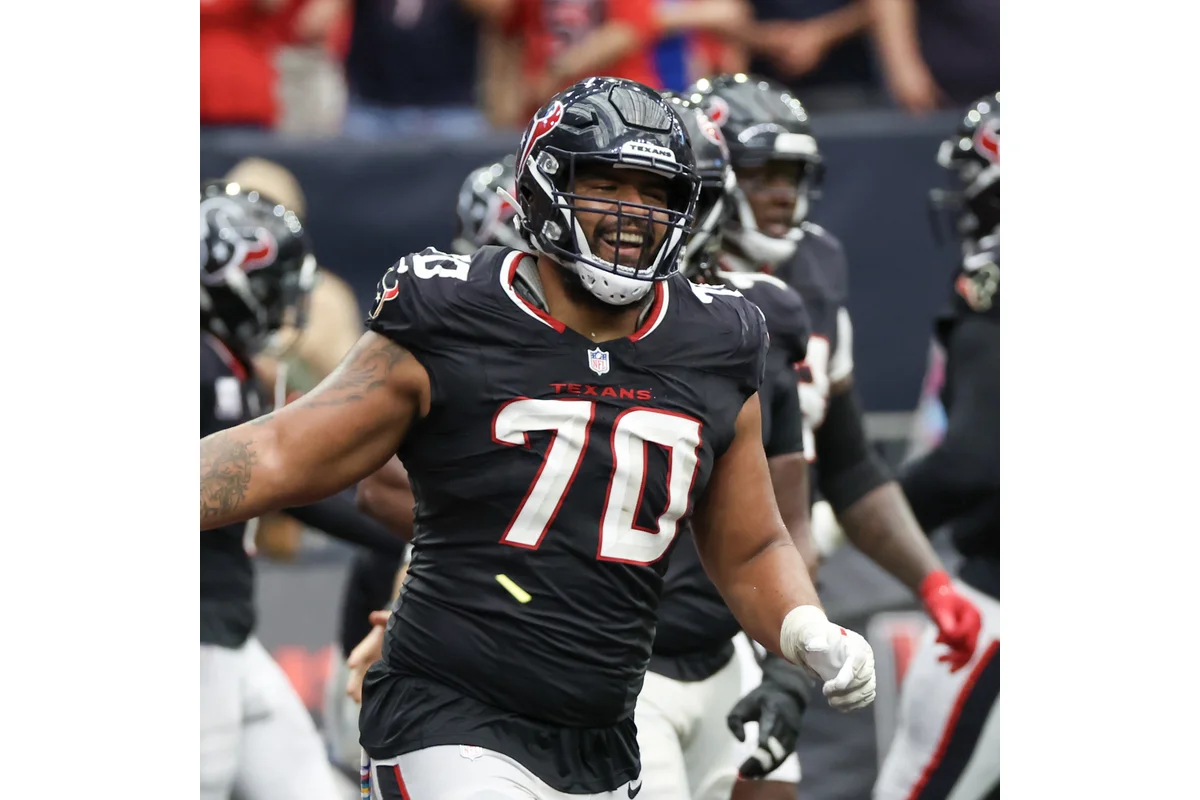
On Monday, the Detroit Lions completed a trade sending running back David Montgomery to the Houston Texans in exchange for interior offensive lineman Juice Scruggs, along with a 2026 fourth-round pick and a 2027 seventh-round pick. This exchange provides the Lions with multiple assets to shape their roster moving forward, while also adding depth on the offensive line.
A Promising Yet Unproven Offensive Lineman
Juice Scruggs, a 2023 second-round draft pick (62nd overall) from Penn State, is known for his strong run-blocking skills and his versatility across the interior line. His collegiate reputation included notable strength on double-team blocking, making him a valuable asset in run-heavy schemes.
In his NFL career so far, Scruggs has appeared in 37 games, starting 20. During the 2024 season, he mainly served as a backup for the Texans, participating in all 17 games but starting only once. Entering the final year of his rookie contract, Scruggs has experience at left guard, center, and right guard, having logged 950, 568, and 143 snaps respectively, according to PFF data.
While Scruggs posted average performances in his primary starting role in 2024—ranking 21st among guards for total PFF grades and 26th in both run and pass blocking—the current season has seen a decline. He placed near the bottom five in run blocking and overall PFF grades among 81 guards, though limited snap counts and inconsistent game time partially explain this downturn.
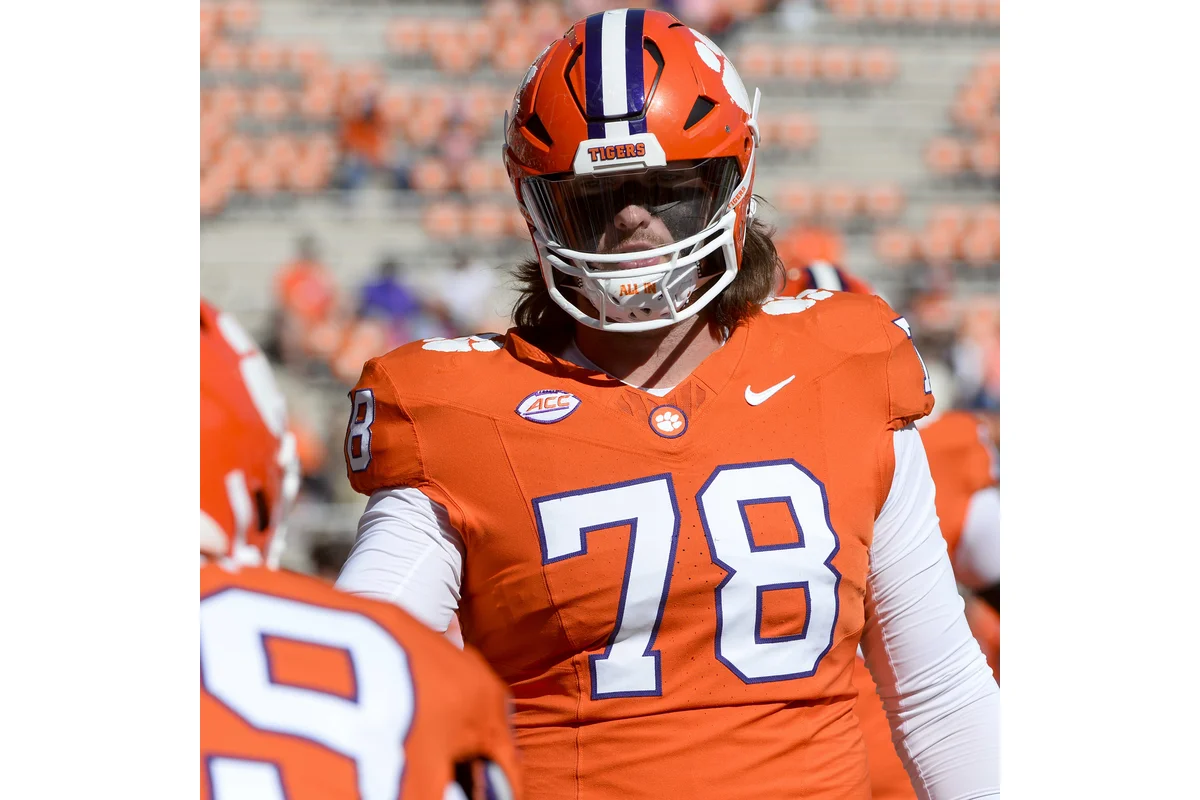
Discipline has also been an area needing improvement, as Scruggs has accumulated seven holding penalties and three false starts over his career. Notably, in his season as a majority starter, he received five penalties in 13 games, a factor Detroit will want to address.
The Role Scruggs Could Play for Detroit’s Lineup
Scruggs joins Detroit on a one-year contract as part of this trade and faces a proving ground to secure a future deal. His addition introduces competition for interior line positions against Christian Mahogany, Graham Glasgow, and Miles Frazier, particularly at guard and center.
Throughout his pro career, Scruggs has rarely played right guard, suggesting that position will likely be filled by another depth player such as Ratledge. However, his experience at center could become valuable if he wins that role during training camp.
Despite gaining this new lineman, Detroit’s front office remains open to drafting additional interior linemen, as Scruggs’ short-term contract and limited track record do not close the door on further reinforcements—especially with potential draft prospects like Auburn’s Connor Lew reportedly meeting with the team at the NFL Combine.
At worst, Scruggs may end up as a backup or a practice squad player in Detroit. In the best case, his presence boosts competition and earns him a second contract, fulfilling the goals expressed by head coach Dan Campbell and general manager Brad Holmes at recent NFL Combine press events.
Implications for the Lions’ Roster Strategy
This trade provides the Lions with more than just draft capital; it adds a player who can immediately challenge the status quo within the offensive interior and supports flexibility for multiple positions on the line. With Montgomery’s departure, the combination of Scruggs’ versatility and the additional picks contributes to a broader roster-building plan.
Lions leadership’s objective to instill accountability and competition in the team aligns with acquiring Scruggs, who fits the profile of a player motivated to prove himself and carve out a long-term role. The trade also alleviates pressure on younger players by bringing in an experienced contributor who can step in if injuries or performance issues arise.
Looking ahead, Detroit’s investment in both draft picks and a player like Scruggs signals an ongoing focus on strengthening their offensive line, which is critical to protecting their quarterback and improving the running game. How Scruggs adapts and performs will be vital to evaluating this trade’s ultimate success for the Lions.
