
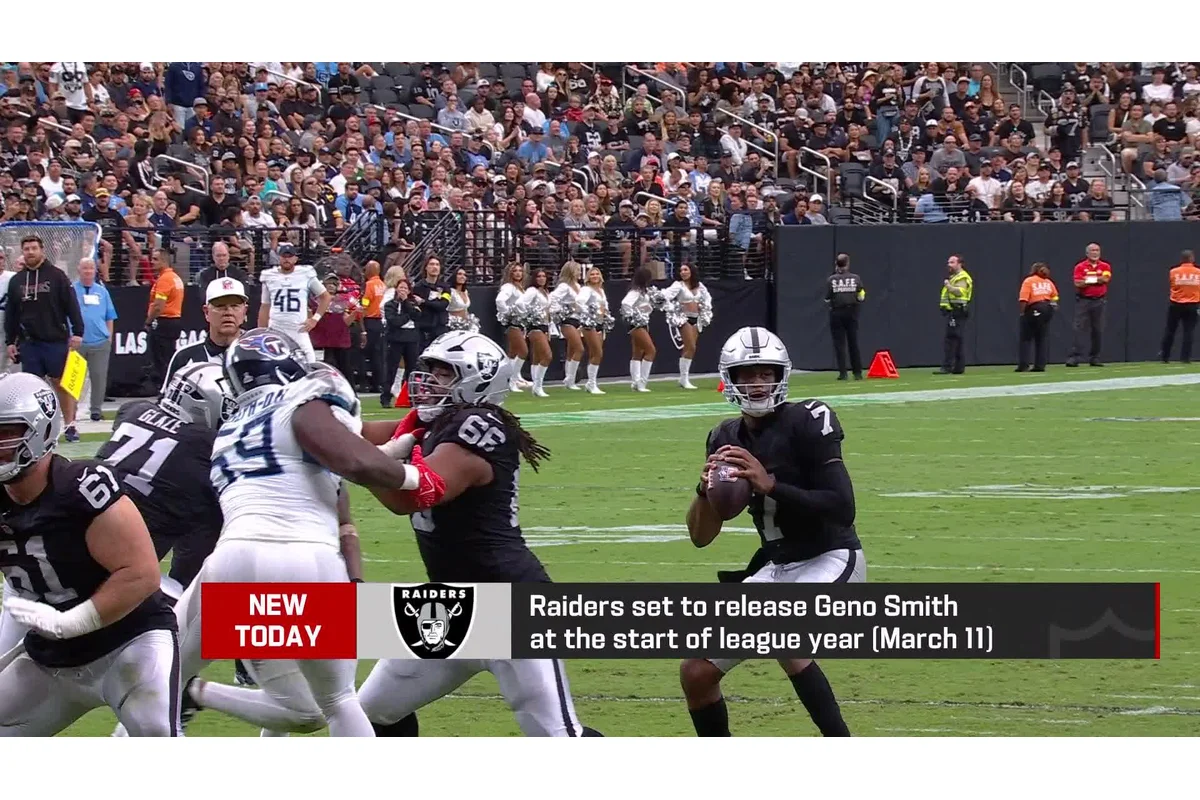
The NFL’s free agency period begins Monday with a 52-hour legal tampering window before the official start of the new league year on Wednesday at 4 p.m. EDT. This period allows teams to negotiate contracts with agents of unrestricted free agents, including notable players like Trey Hendrickson, Mike Evans, and Kenneth Walker III, while quarterbacks Kirk Cousins and Kyler Murray look for new teams after being released.
Understanding the Legal Tampering Window
Starting at noon EDT on Monday, NFL teams can initiate negotiations with certified agents representing players who will become unrestricted free agents once the new league year begins. Although teams may negotiate contract terms during this period, they are not allowed to communicate directly with players, and no signing can occur until the official league year kicks off on Wednesday at 4 p.m. This two-day window pertains only to players classified as unrestricted free agents.
Defining Unrestricted Free Agents
Unrestricted free agents are players who have completed at least four accrued seasons, meaning they participated in six or more regular-season games while on their team’s active roster or injury lists, and whose contracts have expired. These players are free to negotiate and sign with any team without restrictions once the new league year begins.
Explaining Restricted Free Agents
Restricted free agents differ by having three accrued seasons and receiving a qualifying offer from their current teams at the expiration of their contracts. These players face limits on their ability to sign with new teams unless certain conditions apply, giving their original team the right to match or receive compensation for any offer sheets signed elsewhere.
The Role of Franchise Tags in Player Contracts
Each NFL team can designate one player as a franchise player, a status that secures that player’s rights for the team under specific terms. This season, players such as George Pickens from the Cowboys, Kyle Pitts with the Falcons, and Breece Hall of the Jets received franchise tags prior to the March 3 deadline.
An exclusive franchise tag prevents the player from negotiating with other teams and guarantees a salary equal to the higher value between the average of the top five salaries at their position or a set minimum tender amount. Conversely, a nonexclusive franchise tag allows the player to sign with other teams, but imposes a penalty of two first-round draft picks owed by the signing team to the original club. All franchise players tagged this year fall into the nonexclusive category.
What Is the Transition Tag and Its Implications?
The transition tag offers teams a one-year contract option based on the average of the top ten salaries at the player’s position. This tag grants the original team the right of first refusal to match any contract offer from another club. If the team chooses not to match, it does not receive any compensation. This year, Colts quarterback Daniel Jones was designated with the transition tag.
Starting at 4 p.m. EDT on March 11, transition players can begin signing offer sheets with other teams, with the signing period running until July 22. Following this, until the Tuesday after the 10th week of the season, the player’s original club retains exclusive negotiation rights. Teams also have the option to withdraw franchise or transition tags, which immediately makes the player an unrestricted free agent.
Salary Cap Limits for the 2026 Season
The NFL salary cap for the 2026 league year is set at $301.2 million per team, an increase from last year’s $279.2 million cap. All teams must be compliant with this limit by 4 p.m. EDT on Wednesday to officially start the new league year.
Carrying Over Salary Cap Space
Teams may carry over unused salary cap space from one year to the next by notifying the NFL before 4 p.m. EDT on the day after their final regular-season game. For 2026, teams can transfer 100 percent of their remaining 2025 salary cap room to the new adjusted cap, providing flexibility in managing roster salaries.
