
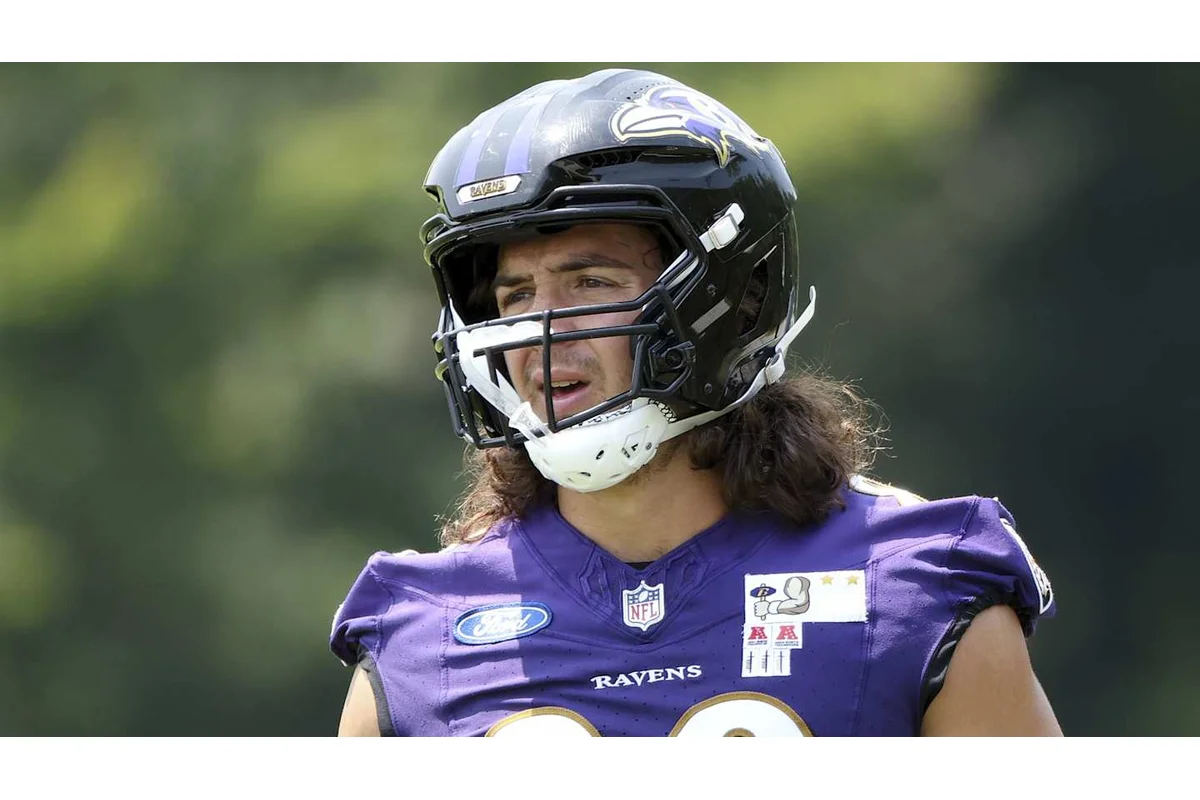
The Baltimore Ravens face a tight end shortage after a busy start to the 2026 NFL free agency period led to the departure of 2022 fourth-round draft pick Charlie Kolar. To address this gap, the team is expected to repeat a proven double-draft strategy, continuing to focus their efforts on acquiring multiple tight ends, a method favored by general manager Eric DeCosta.
According to Jeff Zrebiec of The Athletic, the Ravens have a history of replenishing tight end depth through selecting two players in the same draft. With both Kolar and Isaiah Likely moving on, veteran Mark Andrews remains the only tight end on the roster, highlighting the urgency of restocking the position.
With Likely and Kolar moving on, Mark Andrews is only TE on the Ravens roster. There’s obviously room for a FA, but the Ravens love double-dipping on TEs in the draft. Did it with Dickson-Pitta, Maxx Williams-Boyle, Hurst-Andrews, Likely-Kolar.
Jeff Zrebiec, Reporter
Kolar’s departure to a division rival on March 9 came shortly after Likely reunited with former coach John Harbaugh, placing further pressure on DeCosta to employ his draft-focused approach. This strategy aligns with the Ravens’ typical reluctance to overpay for established free agents, instead prioritizing young talent with potential.
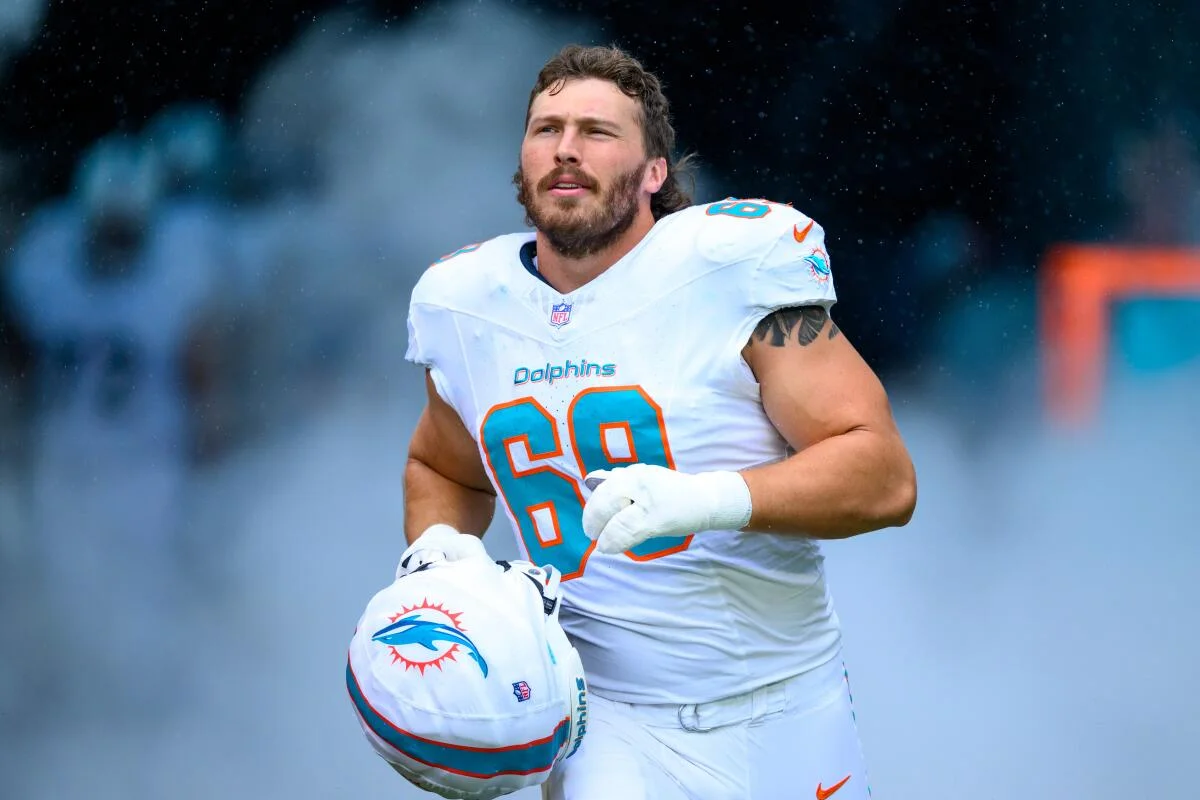
Ample Draft Options Offer Chance to Rebuild Tight End Corps
The 2026 tight end draft class may not boast an abundance of elite prospects upfront, but its depth presents several attractive options for the Ravens to rebuild behind Mark Andrews. Among the top prospects is Oregon’s Kenyon Sadiq, regarded as the leading pass-catching tight end in the class.
Sports Illustrated’s Mark Morales-Smith praised Sadiq’s skill set:
has everything an NFL scout looks for from a modern-day pass-catching tight end.
Mark Morales-Smith, Analyst
With Likely once expected to fill a similar role but ultimately departing, the Ravens now have the chance to pursue a younger, dynamic replacement such as Joe Royer from Cincinnati. Morales-Smith also noted Royer’s attributes:
projects as a matchup nightmare for opposing defenses,
Mark Morales-Smith, Analyst
Although the Ravens lack a first-round pick after trading for All-Pro pass rusher Maxx Crosby, their second-round selection at 45, together with four additional compensatory picks earned after recent free agency losses, still equips them with multiple opportunities to secure promising tight ends and maintain roster depth.
Targeting a Traditional Tight End to Fill Kolar’s Role
Charlie Kolar was viewed as a top sleeper free agent due to his combination of size, blocking ability, and big-play potential in the passing game. Replacing him will require the Ravens to prioritize a more traditional, physically imposing tight end in the draft.
Stanford’s Sam Roush emerges as a key candidate in this regard. Matt Williamson from Steelers.com described Roush as:
the prototypical inline tight end-and that is a position that being more and more coveted in today’s NFL,
Matt Williamson, NFL Analyst
Roush’s 267-pound frame fits well with Baltimore’s physical offensive style, enabling the Ravens to maintain a balanced tight end group alongside Andrews and a potential pass-catching tight end like Royer. This versatility will be critical under new offensive coordinator Declan Doyle, who has experience pairing two tight ends effectively.
Doyle notably deployed Cole Kmet and Colston Loveland together frequently during the 2025 season with the Chicago Bears, suggesting he values utilizing multiple tight ends on the field to create matchup advantages.
Considering the franchise’s past success with drafting multiple tight ends simultaneously, DeCosta is expected to apply this approach once again, aiming to quickly restore depth, versatility, and talent to Baltimore’s tight end room.
With Likely and Kolar moving on, Mark Andrews is only TE on the Ravens roster. There's obviously room for a FA, but the Ravens love double-dipping on TEs in the draft.
Did it with Dickson-Pitta, Maxx Williams-Boyle, Hurst-Andrews, Likely-Kolar https://t.co/Ah6Uyt4gLm— Jeff Zrebiec (@jeffzrebiec) March 9, 2026
This year’s NFL compensatory draft picks: pic.twitter.com/kn47iK0Eqn
— Adam Schefter (@AdamSchefter) March 9, 2026
