
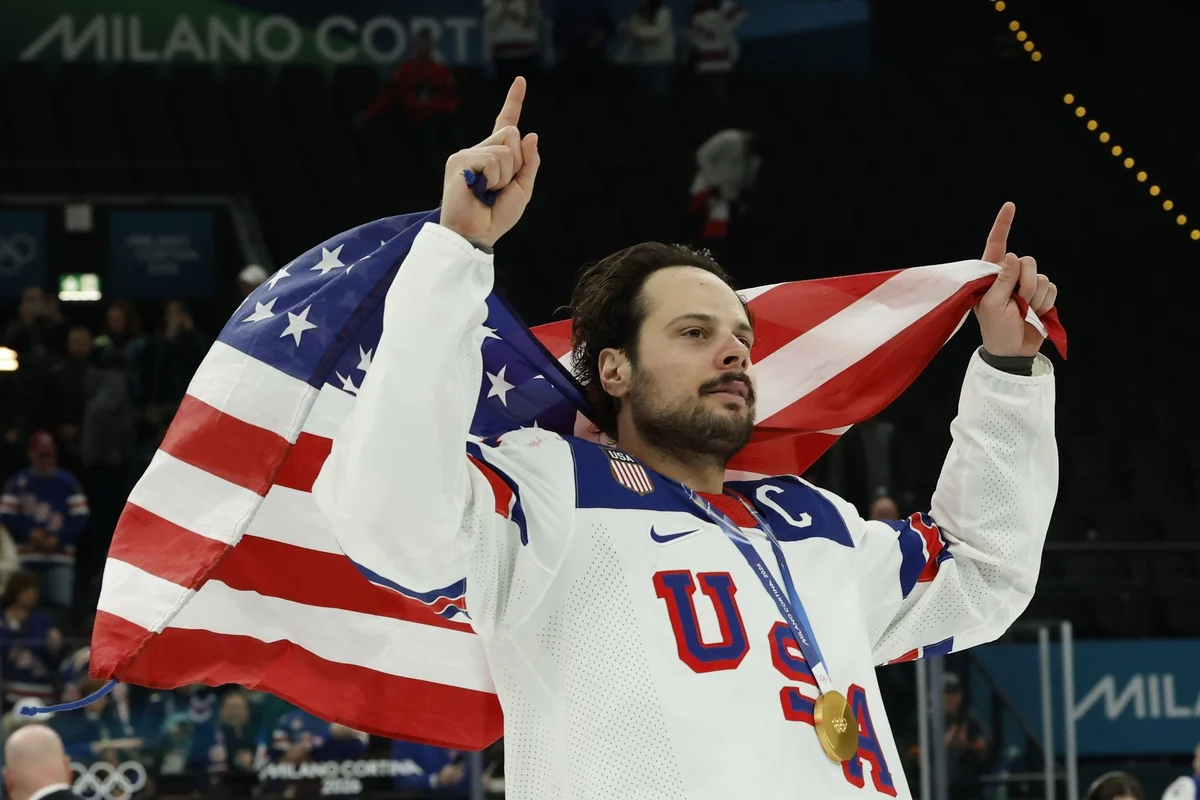
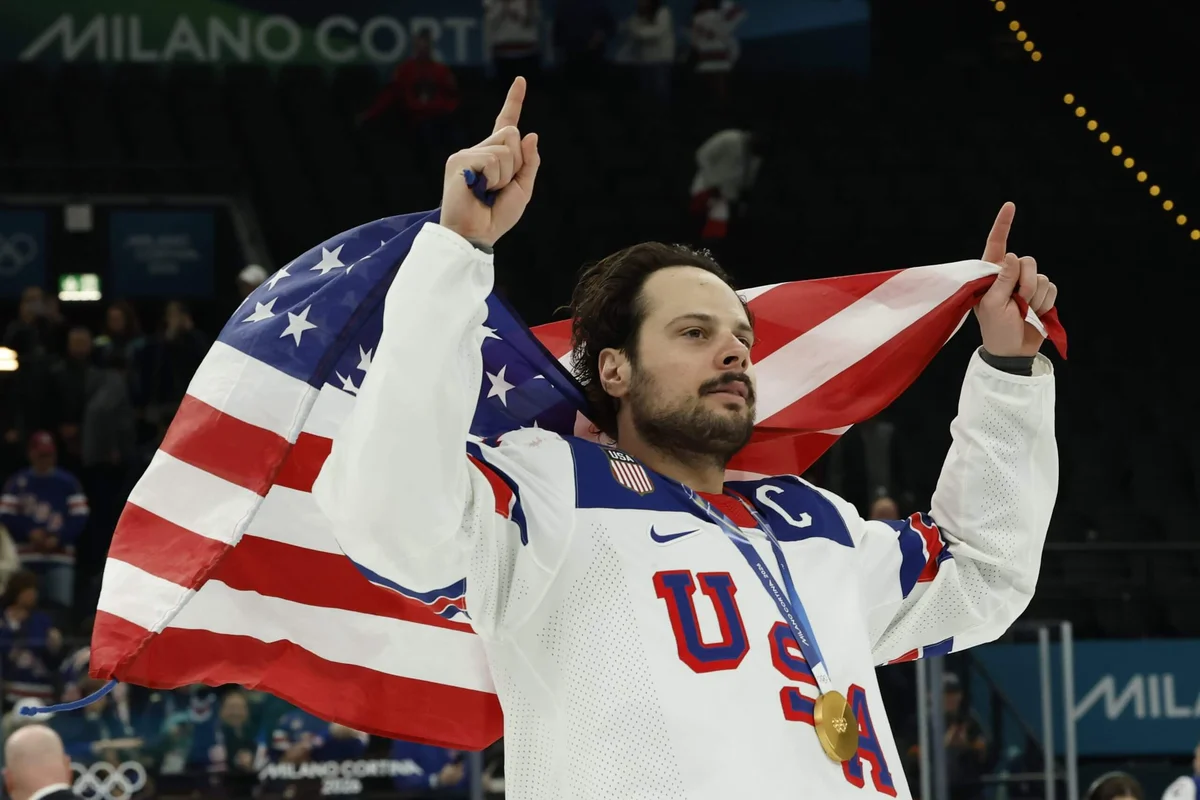
ESPN personalities Linda Cohn and Keith Olbermann became embroiled in a heated dispute on February 26 and 27, 2026, centered on Auston Matthews’ visit to the White House after Team USA’s gold medal victory over Canada at the 2026 Winter Olympics. The clash ignited after Cohn criticized an opinion piece accusing Matthews of prioritizing former President Donald Trump over his Canadian roots by celebrating the U.S. hockey team’s win in Washington, D.C. The incident highlights tensions within sports media regarding politics and athlete loyalty.
Linda Cohn Challenges Criticism of Matthews and Toronto Maple Leafs Fans
The controversy began when Cohn publicly rejected a Toronto Star editorial claiming that Matthews had chosen President Trump over his allegiance to Canada by attending the White House event following Team USA’s narrow 2-1 overtime victory. The article was titled
“Auston Matthews made his choice, seemingly putting Trump ahead of the Leafs.”
Responding to this, Cohn wrote on social media,
“Are you kidding me? If this is how Leafs fans feel, if I’m Auston Matthews, I’d take control of my life and go where I’m wanted,”
asserting her support for the hockey captain.
She further addressed the Toronto Star directly, urging the publication to reconsider their stance:
“Be better. I hope you don’t speak for Leafs fans.”
This defense of Matthews positioned Cohn as a vocal protector of the player against media criticism linked to his association with the U.S. political figure.
Keith Olbermann Fires Back, Accusing Cohn of Political Bias and Personal Attacks
Shortly after Cohn’s remarks, Keith Olbermann responded sharply, calling her a “self-obsessed politically motivated clown” who suppresses any views that conflict with her own. Olbermann accused Cohn of using her platform to advance personal political opinions at the expense of balanced commentary. He stated,
“You’re a self-obsessed politically motivated clown who thinks HER leanings are sacrosanct and everyone else’s must be suppressed. We’ve indulged you all these years. That now ends.”
This rebuke escalated the dispute into a public and intense exchange.
Cohn Defends Herself Amid Accusations of Bullying and Irrelevance
Linda Cohn hit back at Olbermann’s attacks, pointing out his history and current status in media. She tweeted,
“Amazing, Keith Olbermann, that you describe me how the world actually describes you. What happened to you? Gaslighting and bullying a former colleague? Is that really your thing now? It’s really sad and disappointing. Everyone knows you’ve been irrelevant since you left sports and decided to share your uninvited warped world views with the rest of us.”
Cohn’s response portrayed Olbermann’s comments as a form of personal bullying rather than constructive criticism.
In response to further provocations, Cohn expressed concern for Olbermann’s wellbeing, writing,
“You sound bitter and miserable. I hope you get the help you need.”
This statement underscored the emotional intensity and urgency surrounding the feud and highlighted a deterioration in their professional relationship.
Broader Implications of the Auston Matthews White House Controversy
The debate over Auston Matthews’ White House visit represents wider cultural and political divisions within sports and media. Matthews, as captain of the Toronto Maple Leafs and a U.S. Olympic gold medalist, found himself caught between national loyalties and political symbolism. The dispute between established ESPN figures Linda Cohn and Keith Olbermann reveals ongoing challenges for sports broadcasters in navigating athlete actions that intersect with contentious political figures and events.
As social media continues to amplify personal opinions and confrontations, this incident may influence how commentators balance personal views with professional responsibilities. The conflict also raises questions about fan expectations and media portrayals of athletes participating in politically charged moments, signaling potential shifts in sports commentary practices in future international events and cultural discussions.
Amazing @KeithOlbermann that you describe me how the world actually describes you. What happened to you? Gaslighting and bullying a former colleague? Is that really your thing now? It’s really sad and disappointing. Everyone knows you’ve been irrelevant since you left sports and…
— Linda Cohn (@lindacohn) February 27, 2026
Be better. I hope you don’t speak for Leafs fans. https://t.co/3dBwkBI8OP
— Linda Cohn (@lindacohn) February 26, 2026
Hate to finally break it to you @lindacohn. I'd say "be better to you" but it's an impossibility
You're a self-obsessed politically motivated clown who thinks HER leanings are sacrosanct and everyone else's must be suppressed
We've indulged you all these years. That now ends pic.twitter.com/R4iw4HNz8N
— Keith Olbermann (@KeithOlbermann) February 26, 2026
