
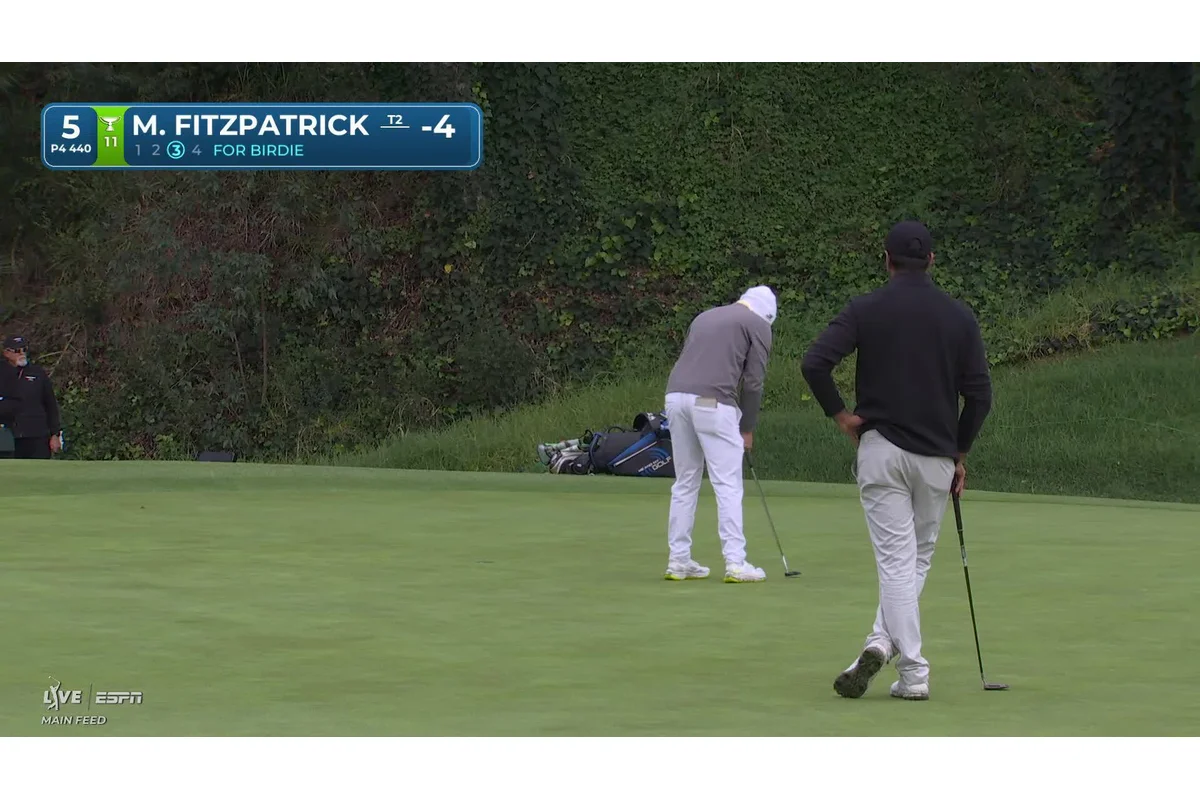
The tenth hole at Riviera Country Club has long been a topic of debate among top golfers for its challenging design and variable difficulty. During the recent Genesis Invitational, Matt Fitzpatrick, the 2022 U.S. Open champion, added his voice to the ongoing discussion surrounding this 315-yard par-4, which has drawn both harsh criticism and high praise from many of golf’s elite.
While some, like Rory McIlroy, have voiced strong disapproval, calling the hole “stinks,” others such as Max Homa have described it as
“either the best hole in the world or the worst.”
Jon Rahm appreciates it as one of his favorites on the course, Collin Morikawa has deemed it the hardest hole at Riviera, and Tony Finau has commended it for its “amazing” design.
Fitzpatrick’s Challenging Experience on the Tenth Hole
Fitzpatrick’s play over the two opening rounds highlighted the hole’s volatility. On Thursday, he comfortably birdied the hole when the pin was positioned at the back right, a spot that allowed for a stress-free approach. However, a change in pin location for Friday’s round to the middle left, just three paces from the edge, complicated matters. Fitzpatrick’s tee shot veered right, leaving him 47 yards out.
After consulting with his caddie on strategy, Fitzpatrick chose to aim well left of the pin, hoping for either a manageable birdie putt or a ball rolling into the collection area for an easier par chance. Unfortunately, he misjudged, landing his second shot in the greenside bunker. His third attempt cleared the green but ended up in the collection area. Ultimately, he managed only a bogey on the hole, one of just two bogeys during his five-under-par 66 on Friday.
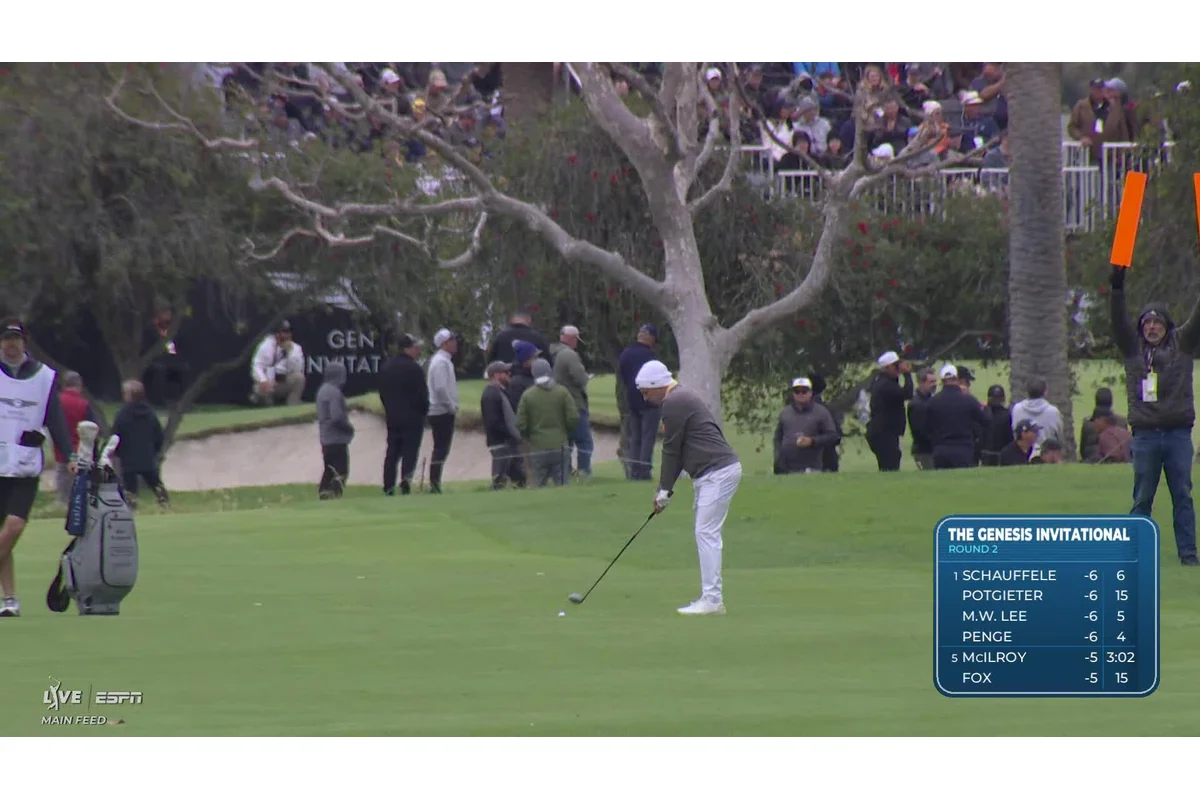
Fitzpatrick’s Strong Criticism of The Hole’s Fairness
“It was a great round. Felt like I played really solid. Just bogey on 10, the world’s most impossible golf hole. I’ll leave it there,”
Fitzpatrick said after his round.
“I don’t really want to talk about it too much, I’ll just get wound up. But it’s hit and hope, let’s leave it at that.”
Fitzpatrick’s frustration was shared within his group, as fellow competitors Aaron Rai and Garrick Higgo also recorded bogeys on the hole.
“We all made bogey. I said, ‘great bogeys, guys,’”
Fitzpatrick recalled.
“I got a laugh out of everyone, which was good.”
Ongoing Critiques and Suggested Changes
Rory McIlroy has previously expressed that the kikuyu grass surrounding the green contributes significantly to the hole’s difficulty. He proposed either replacing this grass to allow shots to run up to the green more easily or softening the green’s surface. McIlroy argues that in its current form, there is minimal skill involved in negotiating this hole effectively.
Fitzpatrick encapsulated his objection succinctly by pointing to what he sees as a fundamental flaw in the hole’s design.
“I just don’t think it’s a fair golf hole, so I’ll just leave it at that,”
Fitzpatrick remarked.
What the Controversy Means for Riviera and the Genesis Invitational
The tenth hole at Riviera remains a polarizing feature, representing a significant challenge for players despite being relatively short. Its design, crafted by George C. Thomas, tests professional golfers’ precision and strategy under varying conditions. Given the strong opinions expressed by Fitzpatrick, McIlroy, and others, ongoing discussions about potential changes to the hole’s layout or surface seem likely.
As the Genesis Invitational continues to attract the world’s best talent, this debate shines a spotlight on how course design can impact play and fairness, shaping the tournament’s narrative and influencing future course modifications.
