
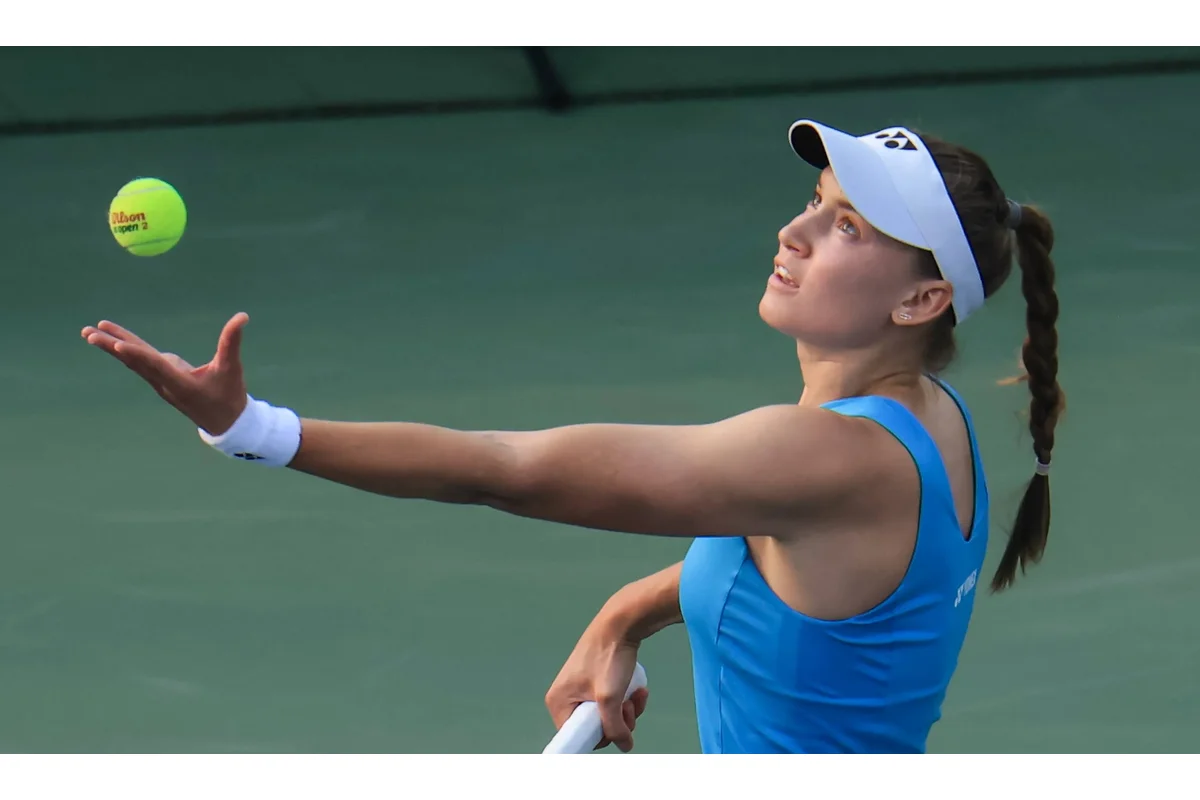
Naomi Osaka faced controversy during her second-round match at the Australian Open against Sorana Cirstea, when Cirstea accused Osaka of shouting “come on” between her first and second serves. The disagreement escalated at the post-match handshake, where a tense exchange took place at the net. Following the incident, Osaka apologized for “disrespecting” Cirstea but defended her behaviour as a method to motivate herself during play. This incident has fueled debate surrounding the Naomi Osaka Australian Open controversy.
Support and Criticism Following Osaka’s Conduct
Osaka’s on-court conduct did not go without criticism, with Jelena Djokovic criticizing her as being “disrespectful.” However, former Grand Slam champion Kim Clijsters offered a different viewpoint during an appearance on the Love All podcast. Clijsters noted a generational gap in attitudes toward such behaviour, stating she personally would not have let the antics affect her focus. She recalled instances when players like Bartoli showed expressive behaviour, though it was less common in her career.
Clijsters explained,
“I don’t think it would have bothered me because I would not have wanted the effect of it to show that it bothered me. I am sure I would have been like, wait, what are you doing? But I don’t want to get caught up in that and for it to have an impact on me.”
She also questioned where the boundary lies between acceptable player behaviour and actions that disrupt opponents, noting that chair umpires sometimes ask crowds to be quiet between serves.
“Where do you draw the line to say it’s okay for a player or an opponent to do it?”
she asked.
Considerations on Mental Games in Tennis
Clijsters highlighted that such vocal expressions can affect opponents’ mental state during matches.

“Because it does have an effect on your opponent. You hope it could have a bit of a mental impact on the serve a little bit, I am sure that is a consequence of whether you just do it to pump yourself up or you do it for that kind of mental advantage.”
This insight points to the complex dynamic in tennis where players often balance self-motivation with psychological tactics against rivals.
Other voices, including journalists Catherine Whitaker and Matt Roberts, defended Osaka, with Whitaker describing Cirstea’s own behaviour as “pretty graceless.”
Osaka Withdraws Due to Injury Following Controversy
After her win over Cirstea, Naomi Osaka withdrew from the Australian Open third round, citing an abdominal injury. This sudden exit added to the tension surrounding her participation at the tournament and further stirred discussion about her form and future in competitive tennis.
Prospects for Naomi Osaka’s Return to WTA Top Ten
Osaka has not ranked in the WTA top 10 since September 2021 but appears poised for a potential comeback. Currently positioned 14th in the world rankings, she holds the ability to climb as the season advances. While she is not competing in upcoming events such as the Abu Dhabi Open or Ostrava Open, these absences have allowed players like Clara Tauson to surpass her temporarily. Tauson’s progress to the Abu Dhabi Open quarter-finals, including a possible win over McCartney Kessler, may widen the ranking gap.
The possibility of Osaka breaking back into elite status remains a topic of keen interest as the WTA Tour season unfolds.

