
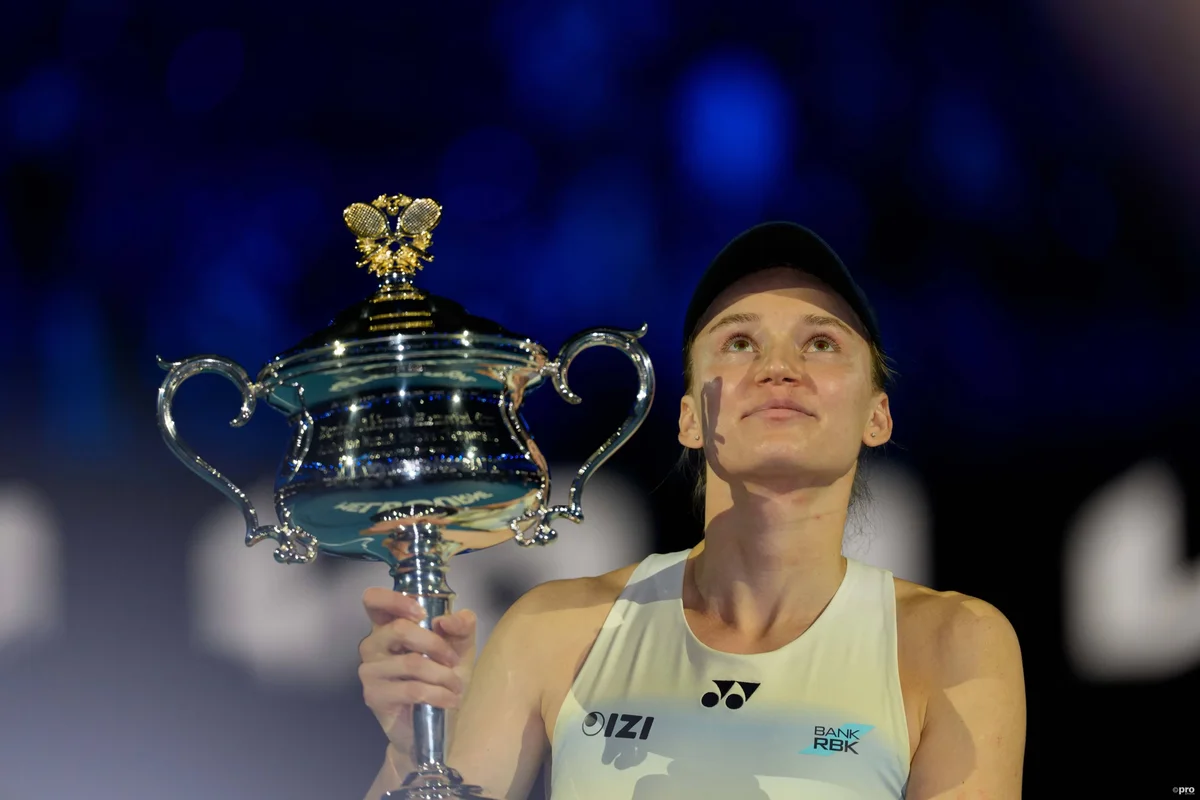
Polish tennis star Iga Swiatek is at the heart of a growing conversation about changing the format of women’s Grand Slam tennis to include best-of-five sets. This debate has intensified following her commanding performances, such as her swift victory over Amanda Anisimova in the 2025 Wimbledon final. The proposal to extend women’s matches emerged strongly after observers argued that the current best-of-three sets limits dramatic storytelling and player endurance displays, particularly in later rounds of major tournaments.
Leading the charge, Australian Open director Craig Tiley has indicated interest in implementing best-of-five sets for the final rounds of the women’s singles draw as soon as 2027. This comes as part of a broader effort to enhance the spectacle and competitive challenge of women’s tennis at its highest level.
Historical Precedent for Longer Women’s Tennis Matches
While today’s women’s Grand Slam matches follow a best-of-three sets format, there is a significant history of longer contests in women’s tennis. Between 1984 and 1998, the WTA Finals held their championship matches over five sets. The last five-set women’s final on the professional tour occurred in 1998 at Madison Square Garden, where Martina Hingis overcame Lindsay Davenport in a four-set match that included a lengthy middle set.
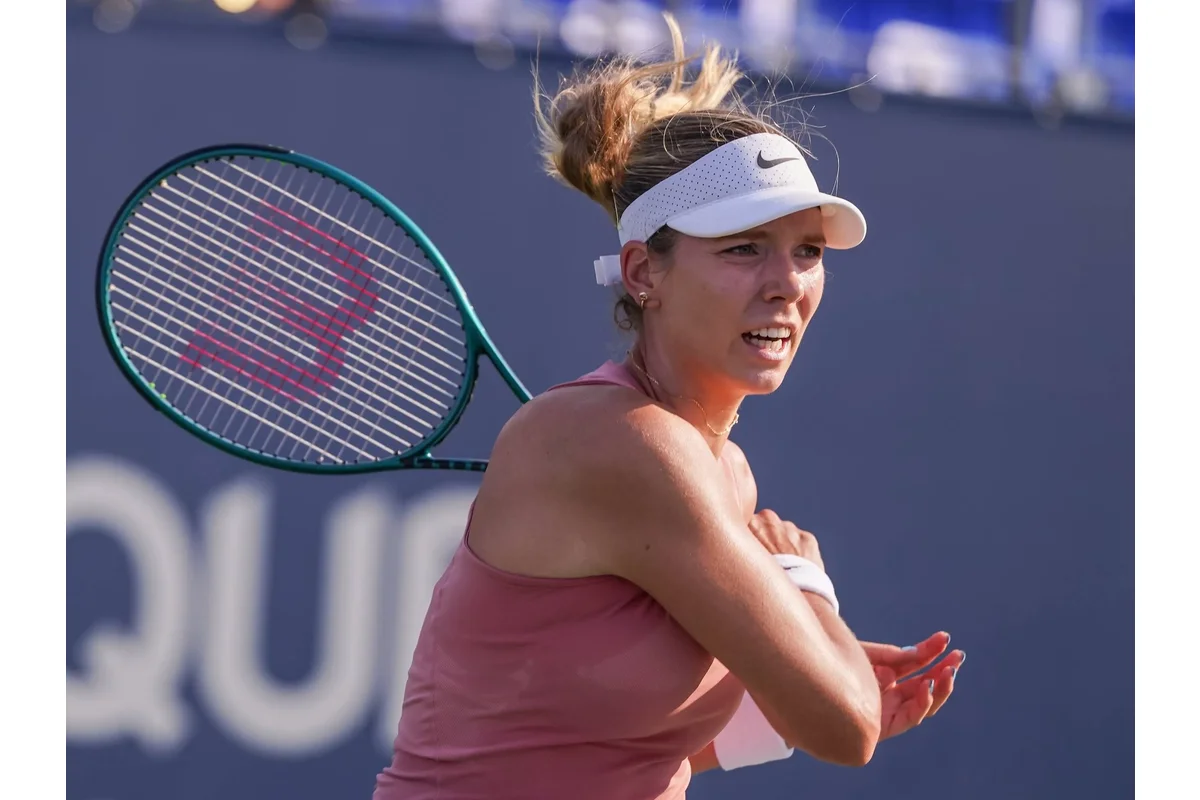
This era featured dominant players like Steffi Graf, who captured five WTA Finals titles under the best-of-five format. Such legends regularly faced the endurance test that longer matches required, feeding arguments that modern champions such as Iga Swiatek might excel in a similar setting given their noted physical prowess and mental strength.
Voices in Favor of Expanding Match Lengths
Among advocates for the return of five-set matches to women’s tennis is former world No. 1 and four-time Grand Slam winner Kim Clijsters. Speaking candidly on her podcast, Clijsters expressed enthusiasm for the added challenge best-of-five matches would present. She highlighted Swiatek’s exceptional fitness and competitive intensity as prime attributes that would make the Polish star a formidable opponent over extended matches.
I like the idea. As a player, I’d welcome a new challenge, both physical and mental. I once spoke with Andy Murray about the mentality of a best-of-five match versus a best-of-three.
— Kim Clijsters, Former Professional Tennis Player
It’s completely different, and many players could benefit greatly from it. Iga Swiatek comes to mind. Her fitness and intensity would make her incredibly difficult to beat in a five-set final. As a fan, I’d love to see a women’s final with four or five sets.
— Kim Clijsters, Former Professional Tennis Player
Craig Tiley has cited epic five-set men’s semifinal matches at the recent Australian Open, such as Novak Djokovic’s battle with Jannik Sinner and Carlos Alcaraz’s contest against Alexander Zverev, as inspiration. These thrillers lifted the tournament’s drama, emphasizing endurance, resilience, and tactical depth, which he feels are constrained under the current shorter format in women’s tennis.
Mixed Responses Among Current Players Regarding the Five-Set Debate
Despite the momentum behind extending matches, current female players remain divided over the idea. World No. 1 Aryna Sabalenka has openly stated she does not feel prepared physically for the demands of five sets. American player Danielle Collins voiced intense personal apprehension about extending match lengths, warning of extreme strain on athletes.
I feel like I’m about to go into cardiac arrest just thinking about playing three out of five.
— Danielle Collins, Professional Tennis Player
On the other hand, some younger professionals have shown openness to the potential shift. Iva Jovic, who reached the 2026 Australian Open quarterfinals, welcomed the notion of a “marathon mentality,” advocating that fitter, mentally tough players like Swiatek could benefit from lengthier encounters.
Not all opposition is rooted in fitness concerns. Leading American players Jessica Pegula and Madison Keys have expressed clear discomfort with adopting five-set matches. Pegula has argued that the women’s game should not imitate the men’s format and would rather see men play shorter matches instead. Keys acknowledged that players possess the physical capability but questioned the purpose and implications of changing the format.
I think we’re all capable of doing it, but I don’t think I would sign up to do more,
— Madison Keys, Professional Tennis Player
Both highlighted that any move to lengthen women’s matches should consider maintaining fairness across the sport by also reviewing the men’s competition format.
Iga Swiatek’s Position and Broader Concerns About Player Welfare
Interestingly, Swiatek has remained publicly silent on the proposed five-set initiative. Her quiet stance contrasts with her peers’ vocal opinions and may be reflective of her concerns regarding the already demanding tennis calendar and player fatigue. Extending Grand Slam matches could add further physical and mental pressures on the players.
Swiatek’s rise, marked by remarkable athleticism and mental toughness, fuels much of the debate. Some view her as the perfect candidate to thrive under an expanded format, while others worry the shift could exacerbate injury risk and burnout amid dense tournament schedules.
Possible Implications and Future Outlook for Women’s Grand Slam Tennis
The ongoing discussion around best-of-five sets in women’s Grand Slams signifies a potential turning point for the sport. If implemented, it could transform how the game is played, altering training regimens, match strategies, and viewer experiences. The debate spotlights tensions between tradition, players’ well-being, and the evolving entertainment demands of modern tennis.
As consultations between tournament officials, players, and governing bodies continue, the tennis world watches closely. Whether five-set matches become standard or remain a proposal remains undecided. However, the involvement of prominent figures like Iga Swiatek, Kim Clijsters, and Craig Tiley ensures this conversation will remain both intense and influential in shaping women’s tennis’s future.
