
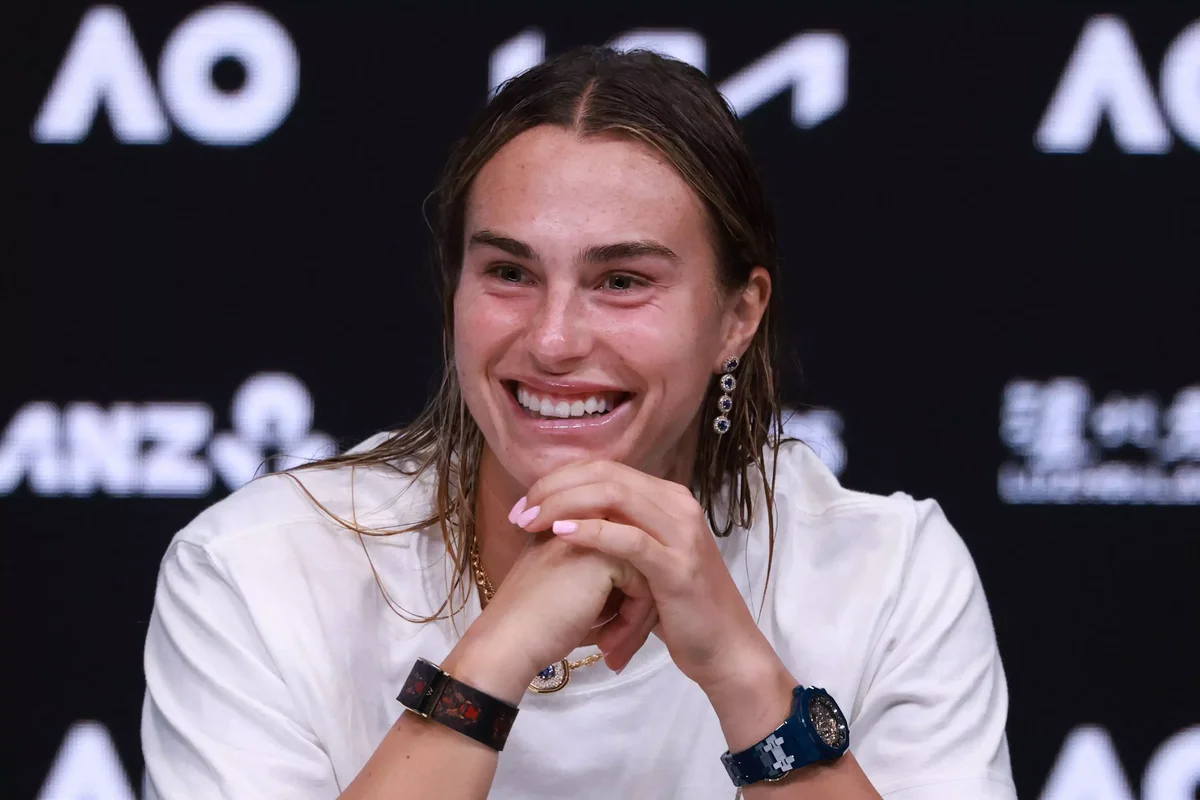
Danielle Collins has expressed confidence that Aryna Sabalenka and Iga Swiatek will each capture 10 or more Grand Slam trophies before they retire. Currently holding the top two spots in the WTA rankings, Sabalenka and Swiatek have won four and six major titles respectively, though last season both added only a single Grand Slam win to their records. Collins highlighted their potential to continue dominating despite the intense competition on the women’s circuit.
The women’s Grand Slam tournaments have seen varied champions in recent years, differing from the men’s circuit where Carlos Alcaraz and Jannik Sinner have been leading. Sabalenka was the last female player to win multiple majors in a year, securing both the Australian Open and US Open titles in 2024. Meanwhile, other slams last year were won by Madison Keys, Coco Gauff, Iga Swiatek, and Elena Rybakina, reflecting a highly competitive field that makes predicting future winners challenging.
Despite reaching four out of the last five Grand Slam finals, Sabalenka has only managed to convert one into a title recently. Swiatek, on the other hand, has reached only one final since her 2024 French Open victory. With Swiatek turning 25 and Sabalenka 28 this May, both players still have time to significantly boost their Grand Slam tallies.
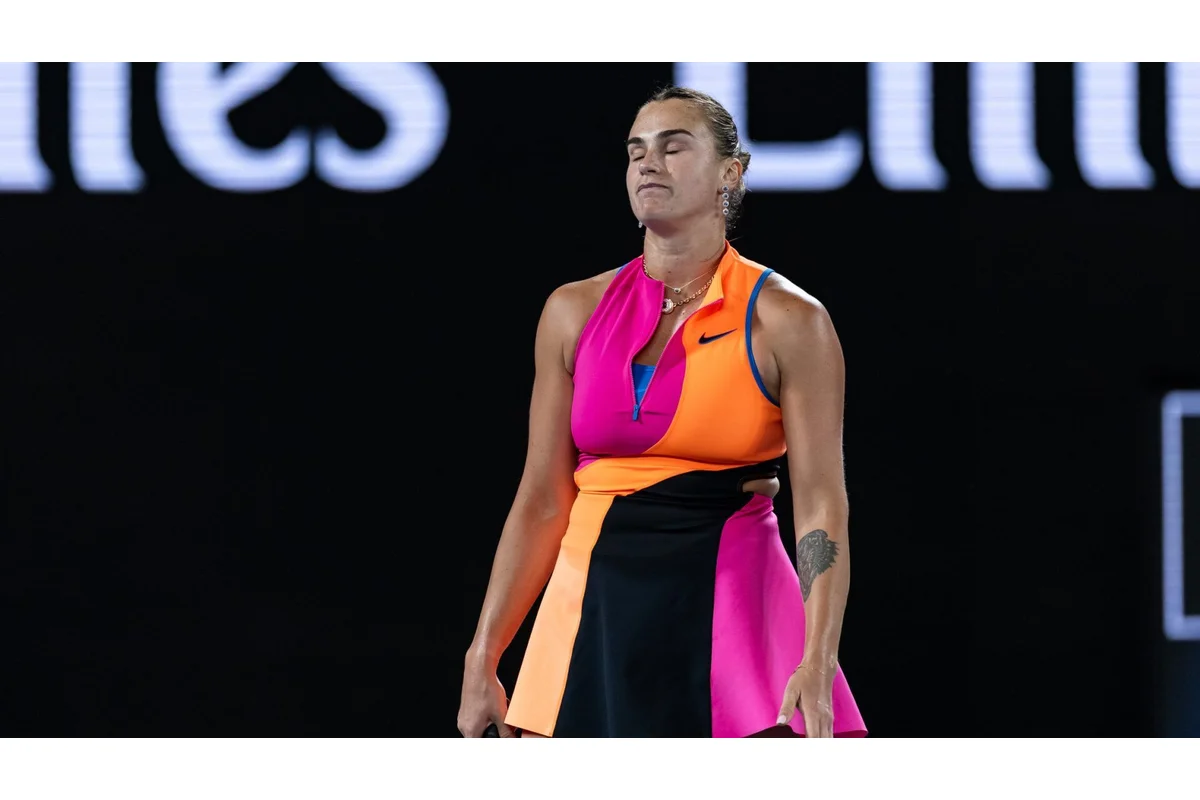
I am banking on both of them. I think both of them have the games to keep winning Grand Slams. I don’t care about Sabalenka’s age at this point; she is going to get wiser, smarter, and gain more experience under her belt, so I think we can definitely count on her reaching double digits in the Slam count. Swiatek, when she is playing her best tennis, and is in a good mental head space, nothing is impossible. So I think that is a no brainer. I think she will get to double digits as well.
?Danielle Collins, Professional Tennis Player
Swiatek Named Top Seed at Qatar Open After Sabalenka’s Withdrawal
With Aryna Sabalenka withdrawing from the Qatar Open, Iga Swiatek has taken over as the tournament’s top seed. The Qatar Open, the first WTA 1000 event of the season, will begin on February 8 in Doha, just one week after the Australian Open concluded. Sabalenka’s withdrawal was followed by other prominent players such as Jessica Pegula, Naomi Osaka, and Marta Kostyuk choosing not to participate, altering the competitive landscape for this tournament.
Amanda Anisimova, the defending champion, aims to claim her third WTA 1000 title but faces a tough challenge as she is placed in the same half of the draw as Swiatek, potentially setting up a semi-final clash between the two. Prior to that encounter, Swiatek may face Jasmine Paolini in the quarter-finals. Meanwhile, Elena Rybakina, who won the recent Australian Open, arrives in Doha as the second seed and looks to add a second title to her season. She is expected to meet Mirra Andreeva in the quarters.
Coco Gauff enters the tournament as the fourth seed, eager to win her first title since October. However, she showed a disappointing performance at the Australian Open, falling to Elina Svitolina in the quarter-finals without securing a set. The reshuffled player roster makes the Qatar Open a particularly unpredictable event.
Current State and Outlook of Women’s Tennis Majors
The recent variability in Grand Slam winners highlights the unpredictable and fiercely contested nature of women’s tennis. The mixture of emerging talent and established stars like Sabalenka, Swiatek, Rybakina, and others keeps the competition extremely close. While Sabalenka has consistently reached finals, converting those opportunities into victories remains a challenge. Swiatek’s mental and physical form will be crucial to her sustain success moving forward.
As both players head into their mid to late twenties, they are entering an age range that traditionally combines peak physical ability with increased strategic awareness and experience. Collins’ prediction about both athletes reaching double-digit Grand Slam titles points to a bright future for the women’s game, with rivalry and excellence continuing to engage tennis fans worldwide.
