
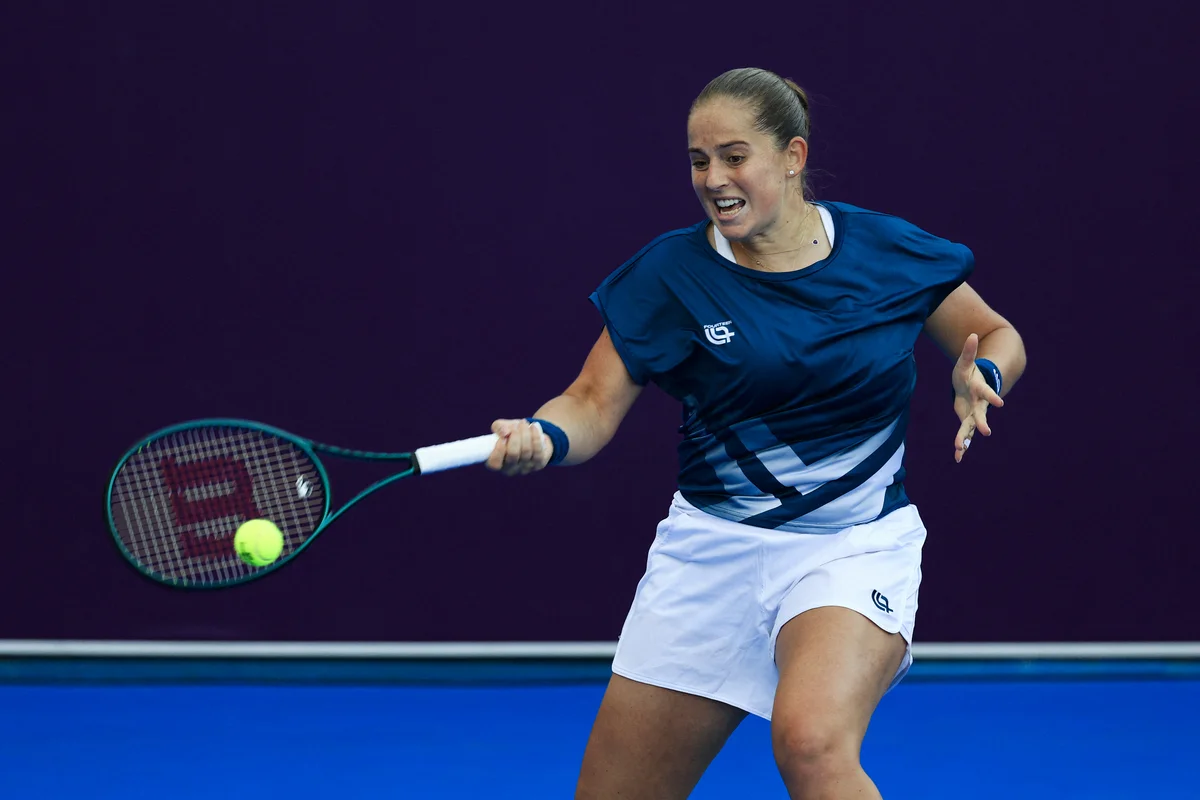
At the 2026 Qatar Open in Doha, Latvian tennis star Jelena Ostapenko became embroiled in a heated dispute during her third-round match against Colombia’s Camila Osorio. The disagreement centered on a contentious call involving a drop shot early in the match, raising questions about the reliability of the video review system in professional tennis. Despite the incident, Ostapenko won decisively, securing a 6-3, 6-1 victory to advance to the quarterfinals.
The match began with an immediate spark. In the opening game, Osorio executed a delicate drop shot that appeared to bounce twice before she reached it. Ostapenko contested the call doggedly, demanding a video review. The technology, though increasingly used across the WTA Tour, remains controversial when it comes to subjective rulings like double bounces. The replay, shown on the stadium’s big screen, confirmed that the ball was still in play, a verdict that Ostapenko visibly rejected.
Penko challenged an Osorio get that was clearly not a double bounce, then disagreed with the video when the video showed it was clearly not a double bounce 😭😭😭 pic.twitter.com/dLQ0OQA7qF
— Owen
Ongoing doubts over video review technology intensify debate
This incident has reignited a deeper discussion about the accuracy and reliability of video review tools in tennis. While electronic line-calling has drastically cut down disputes over whether a ball is in or out, more subjective judgments such as double bounces, net interference, or hindrance calls remain contentious. Fast shots with low bounces can challenge camera frame rates, producing ambiguous replays that frustrate players and fans alike.
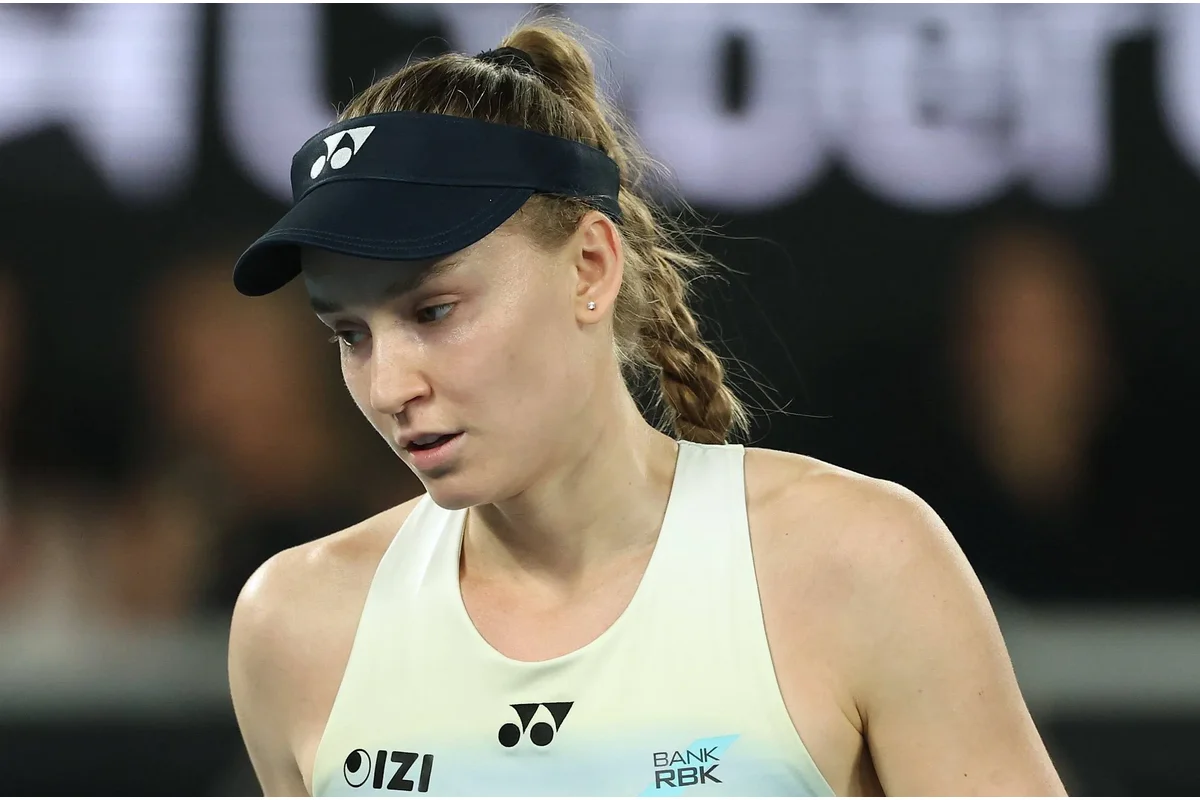
Ostapenko’s visible frustration highlighted a broader sentiment among players who feel vulnerable when technology does not offer a clear-cut answer and must rely on unclear video clips instead of their own experience and instincts. The commentators voiced this tension as well, acknowledging that while video reviews aim to minimize human error, they can sometimes substitute it with confusing digital interpretations that keep the debates alive.
Ostapenko’s prospects and pressures for the remainder of the tournament
Advancing into the quarterfinals places Jelena Ostapenko in a critical position at this year’s Qatar Open. Known for her aggressive style and ability to produce stunning winners, she remains one of the most exciting players to watch in the tournament. However, the video controversy has demonstrated that her emotions are easily inflamed, resulting in a visibly short temper on court.
Looking ahead, this combination of intense tennis and intense emotions could heavily influence her next matches. Fans and opponents alike will be watching closely not only to see if she can continue to perform at a high level, but also how she manages potentially contentious calls going forward. For opponents, this presents a unique challenge and opportunity, as Ostapenko’s reactions might either create openings or push her to deliver even more remarkable performances.
The spotlight on Ostapenko’s quarterfinal encounter will undoubtedly intensify, adding another layer of drama to a tournament already marked by thrilling play and technological debates.
Penko challenged an Osorio get that was clearly not a double bounce, then disagreed with the video when the video showed it was clearly not a double bounce 😭😭😭 pic.twitter.com/dLQ0OQA7qF
— Owen (@kostekcanu) February 11, 2026
