
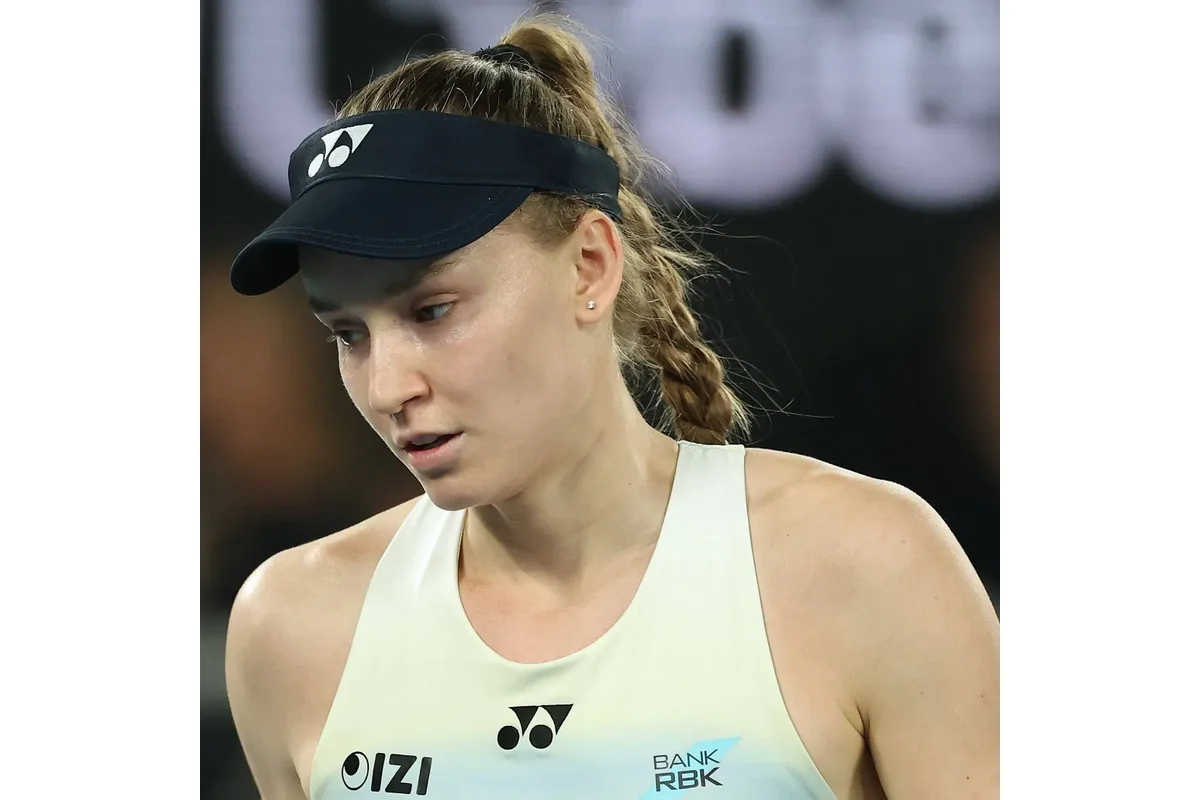
Elena Rybakina, the world No. 3 and recent Australian Open champion, has expressed reservations about the possibility of women competing in best-of-five-set matches. This discussion comes as tennis authorities consider introducing the longer format in the later rounds of some women’s events, including potentially at the Australian Open.
The Kazakh player secured her second Grand Slam singles title by defeating world No. 1 Aryna Sabalenka 6-4, 4-6, 6-4 in a closely contested final at the Rod Laver Arena. This triumph added to her 2022 Wimbledon victory, cementing her status as one of the leading figures in women’s tennis.
Prospects for Introducing Best-of-Five Sets to Women’s Matches
The Australian Open has been a hub for tennis innovation, and Craig Tiley, the tournament director, has publicly supported the idea of extending women’s matches to best-of-five sets in the later stages. Tiley suggested that quarterfinals, semifinals, and finals could feature the longer format, arguing it would enhance the competitive drama of those rounds.
One of the things I’ve been saying now is that I think there should be three out of five sets for women,
said Tiley, according to AAP.
We should look at the last few matches — the quarters and the semis and the finals — and make the women’s side three out of five.
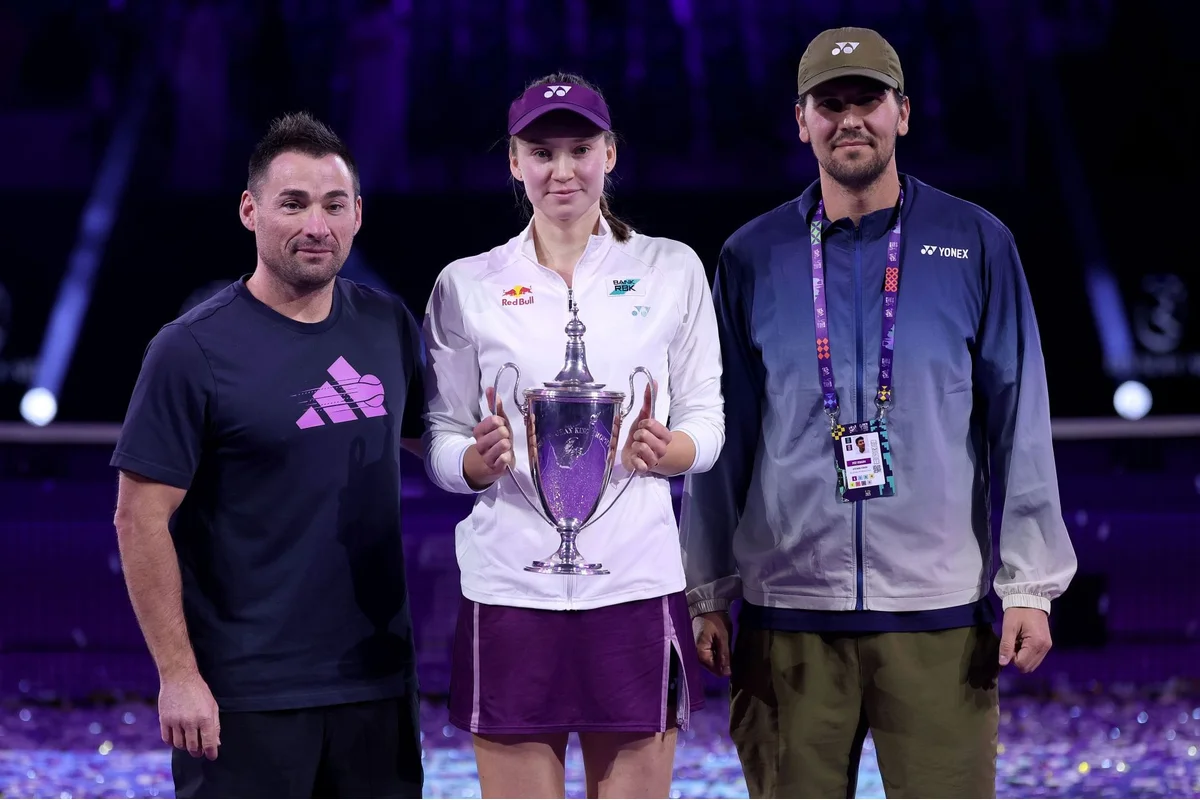
So it’s something we should put on the agenda and start talking to the players about it, because there’s some matches in those last rounds which would have been fascinating had they been three out of five sets.
Currently, five-set matches are exclusive to men’s singles in Grand Slam tournaments, with the rest of the tour—both men’s and women’s—playing best-of-three sets. The last official best-of-five set match for women occurred at the WTA Finals, where matches followed that format between 1984 and 1998. Martina Hingis’ 1998 victory against Lindsay Davenport represented the final best-of-five women’s contest on record.
Mixed Reactions Among Top Women Players
Ahead of the Qatar Open, prominent players Iga Swiatek, Coco Gauff, and Amanda Anisimova shared varied opinions about adopting the best-of-five format. Similarly, after her tough three-set win over Zheng Qinwen in Doha, Rybakina spoke about her doubts regarding the longer matches.
At 26 years old, she acknowledged the challenges the change might bring, saying:
Five, it’s quite a lot. I’m not sure that the quality of the matches would be as good. But I don’t know how much players will have a voice on who is going to decide, but it’s quite difficult.
?Elena Rybakina, WTA Tour player
Her preference remains with the current best-of-three sets, reflecting concerns about match quality and player input in decision-making on such format changes.
Future Outlook on Format Changes in Women’s Tennis
As discussions continue about potentially modifying match formats in women’s tournaments, no definite plans have been announced for implementing best-of-five sets at the Australian Open or elsewhere. With three more Grand Slam events scheduled in 2026—the French Open starting in May, Wimbledon in late June, and the US Open in August—tournament organizers and players may continue to debate the proposal.
The evolving conversation highlights the ongoing balance the sport seeks between tradition, player welfare, and audience engagement. Any change to a best-of-five format for women would mark a significant shift in professional tennis, potentially impacting match strategies, physical demands, and viewer experiences in future Grand Slam contests.
