
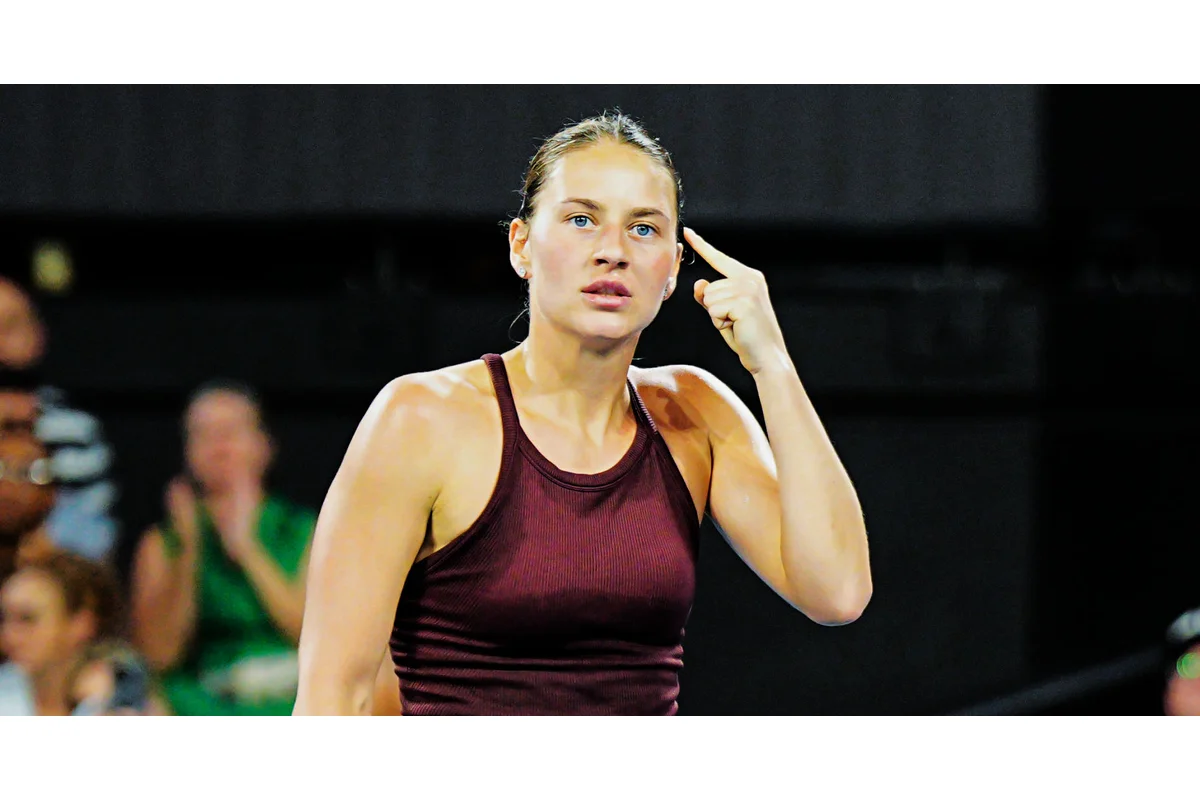
Ukrainian tennis player Marta Kostyuk has voiced her strong support for fellow athlete Vladyslav Heraskevych, following his disqualification from the 2026 Winter Olympics. As the nation’s leading skeleton racer, Heraskevych was removed from competition after defying International Olympic Committee (IOC) rules by wearing a helmet honoring athletes who lost their lives amid Ukraine’s ongoing conflict with Russia.
Background on Heraskevych’s Stand and Subsequent Disqualification
Vladyslav Heraskevych made history as Ukraine’s first skeleton racer at the 2018 Winter Olympics. In a gesture of remembrance, he wore a helmet during training sessions that featured the faces of Ukrainian athletes who died defending the country. The IOC, citing Rule 50 of the Olympic Charter—which forbids political displays—warned him against this symbolism and requested he switch to a plain black armband instead.
Despite the IOC’s directive, Heraskevych persisted in wearing the helmet, leading to his disqualification from the skeleton race on February 12. He has challenged the ruling by filing an appeal with the Court of Arbitration for Sport. The decision, and his unwavering stance, have sparked widespread admiration from fellow Ukrainians and the international community.
Ukrainian Athletes Rally Behind Heraskevych
Prominent Ukrainian tennis stars Elina Svitolina and Marta Kostyuk were quick to express their solidarity with Heraskevych. Both athletes utilized social media platforms to condemn the IOC’s actions. Kostyuk responded with a message of encouragement on Heraskevych’s post, while Svitolina openly criticized the Olympic officials.
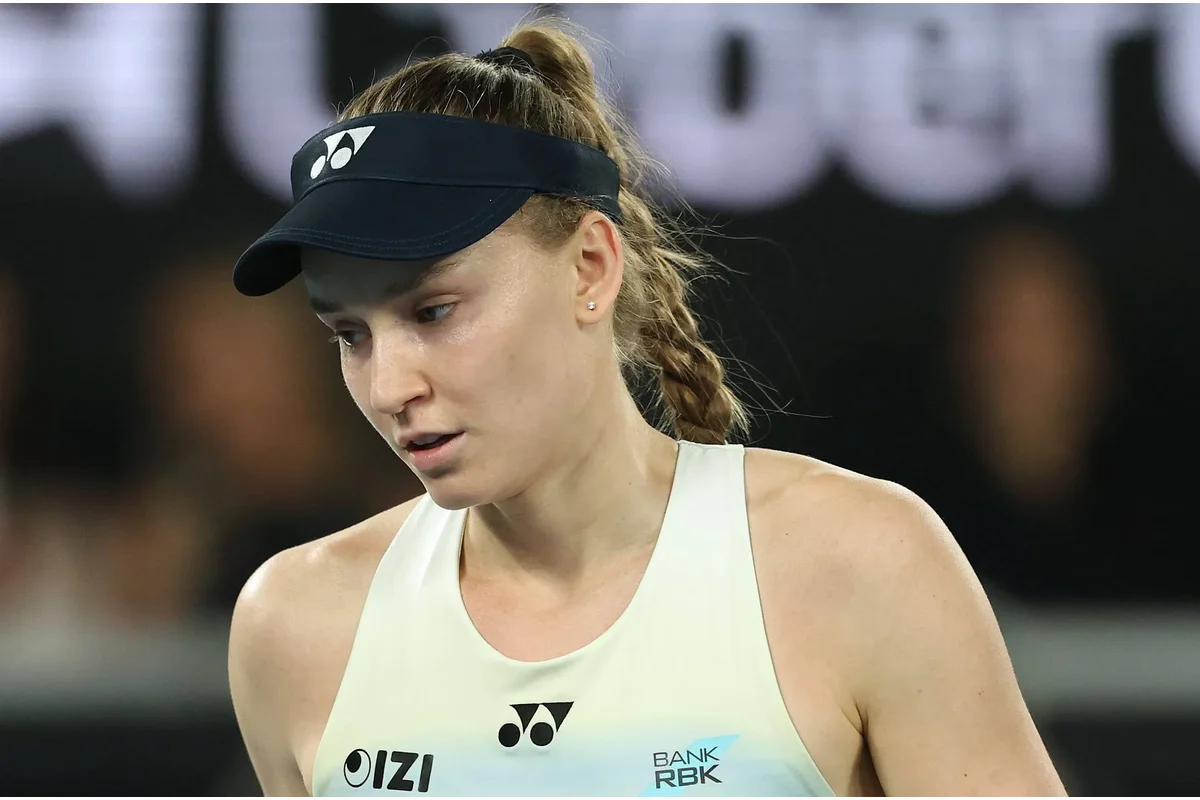
“We are with you! Thank youuu,” Kostyuk wrote (translated from Ukrainian).
“@iocofficial has written itself into the history of shame of world sports,” Svitolina wrote (translated from Ukrainian).
Context of Athlete Activism Amid Ukraine-Russia Conflict
The conflict between Ukraine and Russia that intensified in 2022 has deeply affected all Ukrainians, including athletes, many of whom joined the armed forces to defend their homeland. Heraskevych previously drew attention during the 2022 Winter Olympics by displaying a banner that read No war in Ukraine, an act that went unpunished but marked a precedent for athlete activism supporting Ukraine’s cause.
Like Heraskevych, tennis players Kostyuk and Svitolina have used their global platforms to raise awareness about Ukraine’s struggle. Beyond public statements, they have contributed financially to support their countrymen. The broader Ukrainian tennis community has also taken a firm stance by refusing to engage in customary courtesies with players from Russia and Belarus during matches. This aligns with rulings by the International Tennis Federation that suspended Russian and Belarusian participation in the Davis Cup and Billie Jean King Cup starting in 2022, though Ukrainian athletes advocate for even wider bans in international competitions.
Ongoing Impact and What Lies Ahead
Heraskevych’s disqualification highlights the tensions between the IOC’s regulations and athletes’ right to express political solidarity, especially amid a crisis as acute as the war in Ukraine. The appeal to the Court of Arbitration for Sport will be closely watched for its implications on future athlete activism.
Marta Kostyuk’s vocal support symbolizes the resilience and unity of Ukrainian athletes who continue to confront the challenges posed by the conflict while standing firm in their commitment to their homeland. Their actions underscore the power of sport as a platform for both competition and profound personal and national expression.
