
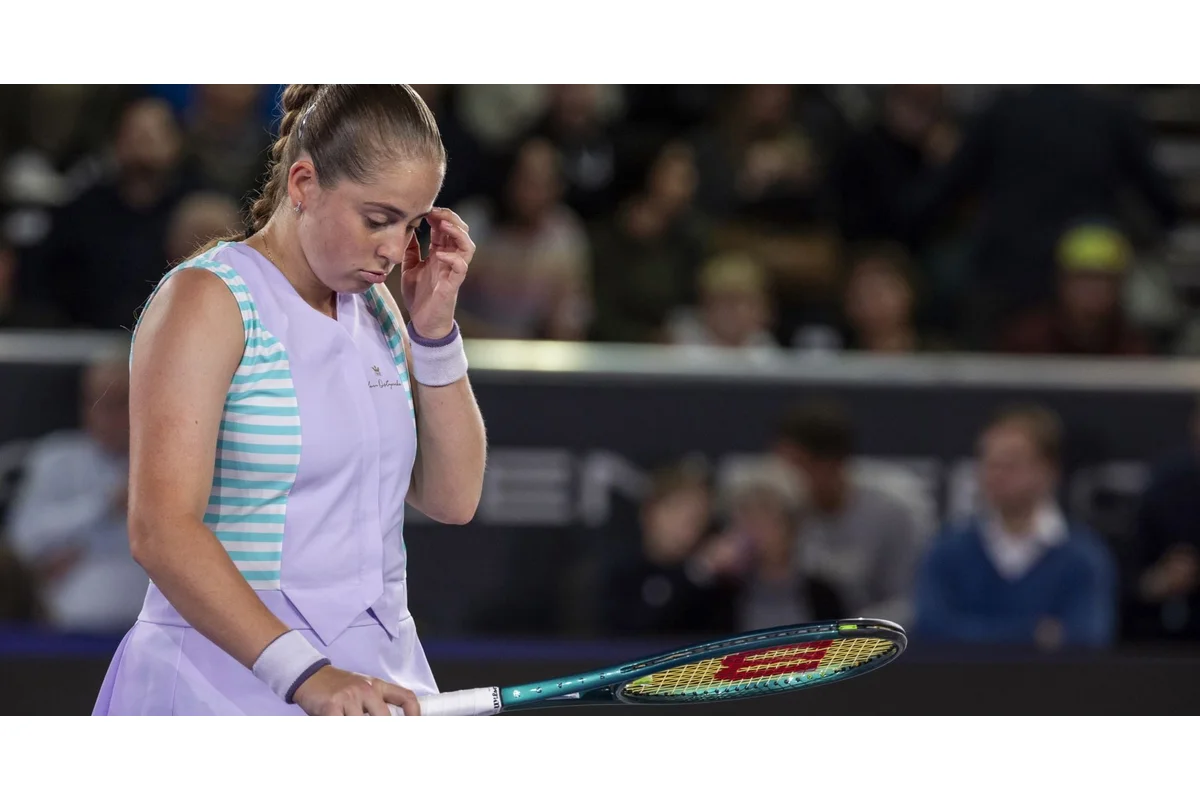
Jelena Ostapenko and Paula Badosa have withdrawn from their next scheduled WTA tournaments, adding to the ongoing injury difficulties affecting the women’s tour this season. These withdrawals come as the Dubai Tennis Championships near their conclusion, marking the last event of the Middle East Swing.
The early part of the WTA calendar has faced a surge of injuries, retirements, and walkovers, with the busy schedule taking a toll on players. Both Badosa and Ostapenko will miss the Merida Open and ATX Open respectively, two key tournaments that are just days away.
Details on Badosa and Ostapenko’s Decisions to Pull Out
Paula Badosa, who retired hurt during a match against Elina Svitolina in Dubai, continues to struggle with injury troubles that have sidelined several top players this season. Her decision to skip the Merida Open comes amid criticism from some fans, which she addressed directly on social media.
In a statement on her Instagram story, Badosa expressed regret about her absence:
Mexico always feels like my second home. I’m very sad I’m not able to play this year. Will try to fully recover and be back as soon as possible. Thank you for the support.
– Paula Badosa
Similarly, Jelena Ostapenko shared news of her withdrawal from the ATX Open in Austin, citing injury concerns that prevent her participation. The 2017 French Open champion was eager to make her debut at the new tournament but must postpone those plans.
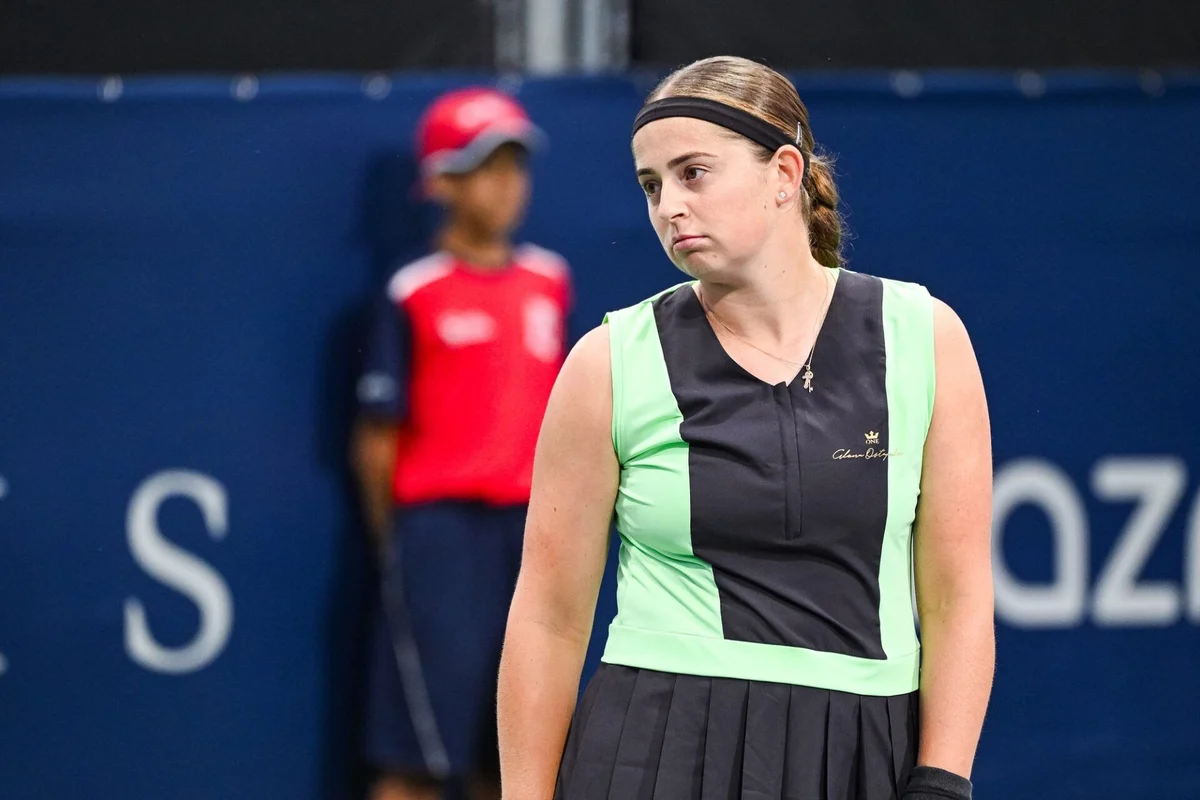
The ATX Open published Ostapenko’s message from her X (formerly Twitter) account, where she said:
I’m hopeful that I will be able to make my ATX Open debut this time next year. I wish all my fellow competitors well as they prepare to play in Austin next week.
– Jelena Ostapenko
Both the Merida Open, classified as a WTA 500 event in Mexico, and the WTA 250 ATX Open in Austin are scheduled from February 23 to March 1. Following these tournaments, the WTA calendar features two major WTA 1000 events at Indian Wells and Miami, continuing the demanding early-season slate.
Persistent Withdrawals Highlight Scheduling Challenges for the WTA
The cluster of withdrawals reflects broader concerns about player health and a compressed tournament schedule this year. Many players have struggled to manage fitness amid a challenging calendar, which includes back-to-back high-intensity events soon after the Australian Open.
To address these scheduling pressures, the WTA has established the Tour Architecture Council, led by Jessica Pegula, with the objective of reshaping the women’s tennis schedule to better prioritize player wellness and sustainability.
Several top stars, including Aryna Sabalenka, have already sat out recent tournaments such as the Qatar Open and Dubai Tennis Championships to recover, underscoring the toll of the current schedule.
This organizational move signals a recognition within the WTA that changes may be necessary, aiming for a calendar that balances competitive opportunities with adequate rest and injury prevention.
Implications for the Season and Player Participation Moving Forward
With key players like Ostapenko and Badosa sidelined early in the season, the WTA faces ongoing uncertainty around player availability for high-profile competitions. The scale of withdrawals impacts the competitiveness and appeal of events, while highlighting the urgency for sustainable scheduling reforms.
The upcoming months, particularly the Indian Wells and Miami tournaments, will test how well players can handle the rigorous tour demands. If the Tour Architecture Council’s initiatives prove effective, fans and athletes alike may see improvements that reduce injury risks and allow star players to compete more consistently.
For now, recovery remains the priority for Ostapenko, Badosa, and others, as they navigate a challenging season with hopes of returning stronger to future tournaments.
An update about the field.
We wish Jelena all the best ❤️🩹 pic.twitter.com/SLmcK7HHdO
— ATX Open (@AtxOpen) February 18, 2026
