
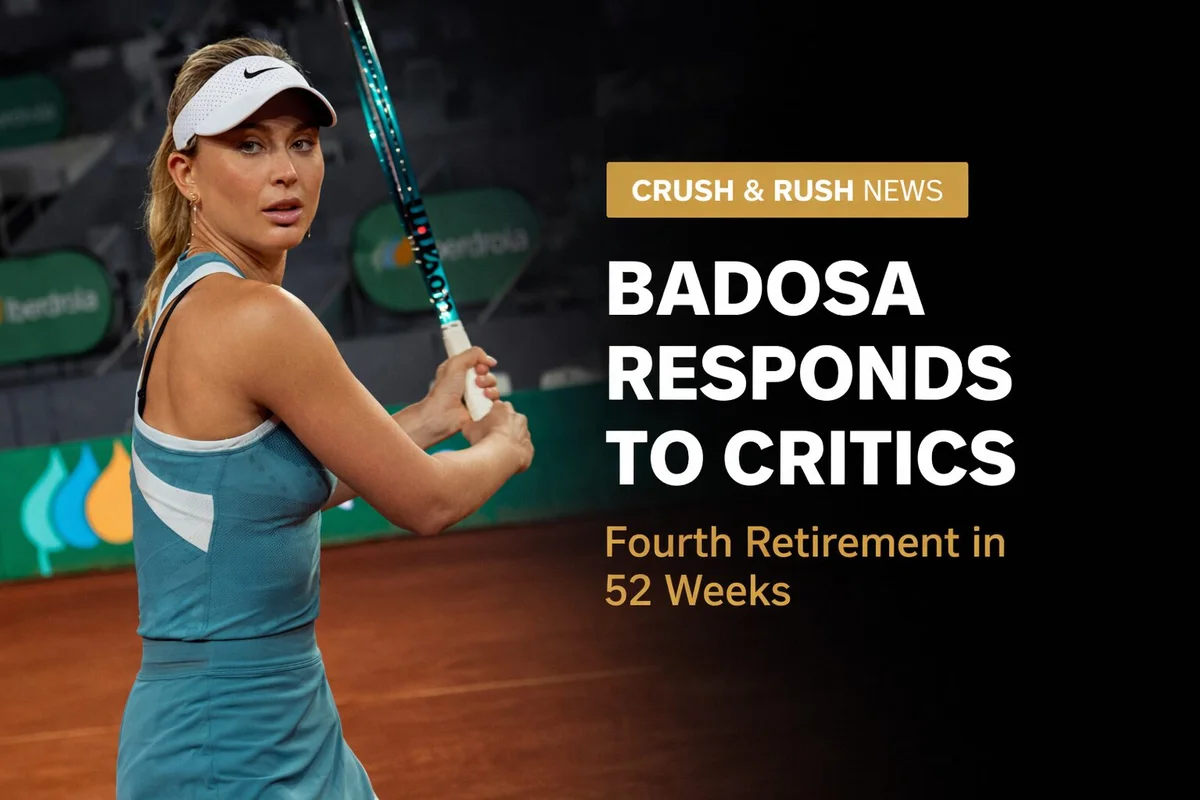
The WTA Tour faces mounting challenges as a new wave of tournament withdrawals extends to Mexico’s Mérida Open, with Paula Badosa’s exit adding intensity to concerns over player fitness and scheduling pressure. This latest series of withdrawals follows a disruptive start at the Dubai Duty Free Tennis Championships, highlighting the toll on top players amid a demanding early season.
Rising Withdrawal Numbers Shake the Mérida Open
Several notable players have pulled out of the WTA 500 event in Mérida, including former US Open champion Sloane Stephens, who cited personal reasons for her withdrawal and was replaced by Priscilla Hon. Stephens’ exit, while not injury-related, adds to a troubling trend for athletes struggling with physical and mental demands after a turbulent start to the season.
Spanish star Paula Badosa publicly confirmed her decision to skip the Mérida Open via social media, expressing her disappointment at missing an event she considers almost a second home. Her withdrawal follows a mid-match retirement in Dubai triggered by a right thigh injury, underscoring ongoing health concerns for the 24-year-old Spaniard.
I am very sorry to announce that I will not be able to be in Mérida playing this year. I was really looking forward to playing in front of you all. Mexico always feels like my second home. Now I have to recover well and come back as soon as possible. Thank you all for the support.
?Paula Badosa, Tennis Player
Badosa’s absence joins a list of withdrawals that includes Maria Sakkari, dealing with illness; Daria Kasatkina (right hip injury); Liudmila Samsonova (left knee issue); Diana Shnaider (right knee injury); Elisabetta Cocciaretto (left thigh injury); and Jaqueline Cristian, whose condition remains unspecified.
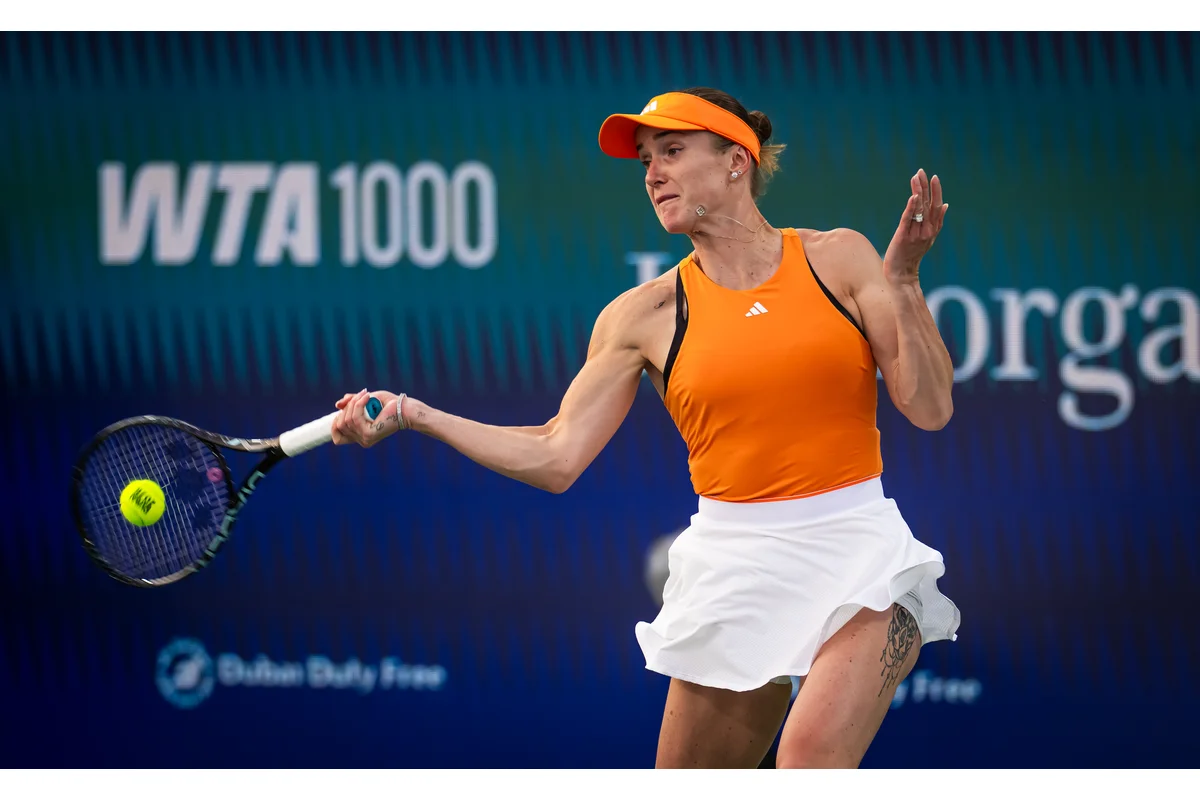
Withdrawals – MERIDA W: Samsonova (left knee?), Shnaider (right knee?), Badosa (right thigh), Cristian (?), Kasatkina (right hip), Sakkari (illness?), Cocciaretto (left thigh).
?Tennisform, Twitter
The Dubai Starting Point: When Withdrawals Began to Surge
The wave of player pullouts initially escalated at the Dubai Duty Free Tennis Championships, where World No. 1 Iga Swiatek opted out due to scheduling priorities. Aryna Sabalenka withdrew with a right hip injury, while Sakkari and Qinwen Zheng were sidelined by illnesses. Victoria Mboko battled a right elbow injury, and Barbora Krejčíková alongside Elisabetta Cocciaretto struggled with left thigh injuries. Karolina Muchova, despite her recent Qatar Open title, also missed Dubai citing scheduling difficulties.
This cluster of withdrawals, which started as isolated fitness and health issues in the Middle East, has now stretched to the Mexican leg, spotlighting broader concerns around player workload and the packed WTA calendar.
Efforts to Address the Tour’s Gripping Scheduling Crisis
The pattern of withdrawals has sparked a debate about the physical demands placed on professional women’s tennis players early in the season. The WTA Tour is facing a critical period, but steps are being taken to alleviate the issue. American star Jessica Pegula is poised to lead the WTA’s newly formed Tour Architecture Council, tasked with evaluating and revising the calendar to better accommodate players’ health and competitive balance.
Sloane Stephens Navigates Personal Struggles Amidst Professional Setbacks
Sloane Stephens’ withdrawal from Mérida adds a somber note to an already challenging comeback. After a second-round Wimbledon exit in 2024, Stephens endured a 13-match losing streak compounded by a lingering right ankle injury that forced her away from key tournaments. Her competitive momentum suffered significantly during this period.
Despite time off, Stephens stayed connected to tennis by working as an analyst for ESPN and TNT. Her 2026 season began with a first-round loss to Renata Zarazua at the ASB Classic in Auckland. Entering the Australian Open ranked 1097th, she battled through qualifying rounds, defeating Barbora Palicova, Olivia Gadecki, and Lucia Bronzetti to reach the main draw. However, her run ended in straight sets against Karolina Pliskova.
Although her Mérida withdrawal is attributed to personal matters rather than illness or injury, it reflects the fragile nature of her return to consistent competitive form.
Recent Personal Developments Shape Stephens’ Current Challenges
Recently, the 32-year-old tennis star publicly disclosed her separation from professional soccer player Jozy Altidore, concluding their four-year marriage. This announcement came days before the Mérida Open withdrawal news, deepening the complex emotional backdrop behind her current circumstances.
Jozy and I have decided to end our marriage,
With peace, I am navigating this transition with mutual respect and kindly ask for privacy during this time. Thank you for your love, understanding, and continued support.
?Sloane Stephens, Tennis Player
The couple’s history is rooted deeply in friendship, having first met as children attending Boca Prep International School in Florida. Stephens was in fifth grade while Altidore was two years ahead. Years later, their paths crossed again in 2016 as rising professional stars during national team duties at the Home Depot Center in Carson, California.
Altidore’s proposal to Stephens in Los Angeles in April 2019 was a heartfelt surprise staged in an art gallery featuring large photographs chronicling their journey together. The couple announced their engagement on Instagram, with Stephens writing, Forever yes ❤️. They married on New Year’s Day 2022 in Miami Beach, Florida. Stephens often praised Altidore’s role as a father to his son from a prior relationship.
Jozy and I have known each other since we were kids, but watching him grow as a father showed me what it would be like to spend forever with him,
?Sloane Stephens, Tennis Player
The end of their marriage closes a deeply personal chapter that evolved from childhood bonds to adult partnership. Stephens’ ability to recover and push forward amid personal and professional trials remains a focal point of interest for tennis fans and observers alike.
Implications of the Withdrawal Surge and What Lies Ahead
The recent withdrawals, with Paula Badosa’s departure emblematic of broader issues, emphasize the fragility within the women’s tennis circuit amid packed tours and grueling physical demands. The ongoing physical ailments and scheduling conflicts threaten player longevity and tournament quality, challenging the WTA’s ability to maintain consistent, high-level competition.
Actions led by figures like Jessica Pegula and the Tour Architecture Council could become pivotal in reshaping the WTA calendar to prioritize player health, aiming to reduce fatigue-related dropouts and preserve elite participation throughout the season.
For key players like Badosa and Stephens, the immediate focus remains on recovery and regaining form, with fans and stakeholders hoping their returns bolster the competitive scene as the season progresses. Meanwhile, the Mérida Open and forthcoming tournaments face uncertainties that underscore how crucial sustainable scheduling is for the sport’s future vitality.
Withdrawals – MERIDA W: Samsonova (left knee?), Shnaider (right knee?), Badosa (right thigh), Cristian (?), Kasatkina (right hip), Sakkari (illness?), Cocciaretto (left thigh).
— Tennisform (@Tennisform) February 23, 2026
