
Naomi Osaka has openly discussed the complexities of growing up biracial, touching on her experiences as a Japanese–Haitian–American athlete navigating a world that often sees her as different. Speaking about her identity, Osaka expressed her wish to be remembered as someone who paved the way for future generations to embrace their unique backgrounds without shame. This candid reflection comes amid her recent challenges on the tennis circuit and her ongoing recovery from an abdominal injury.
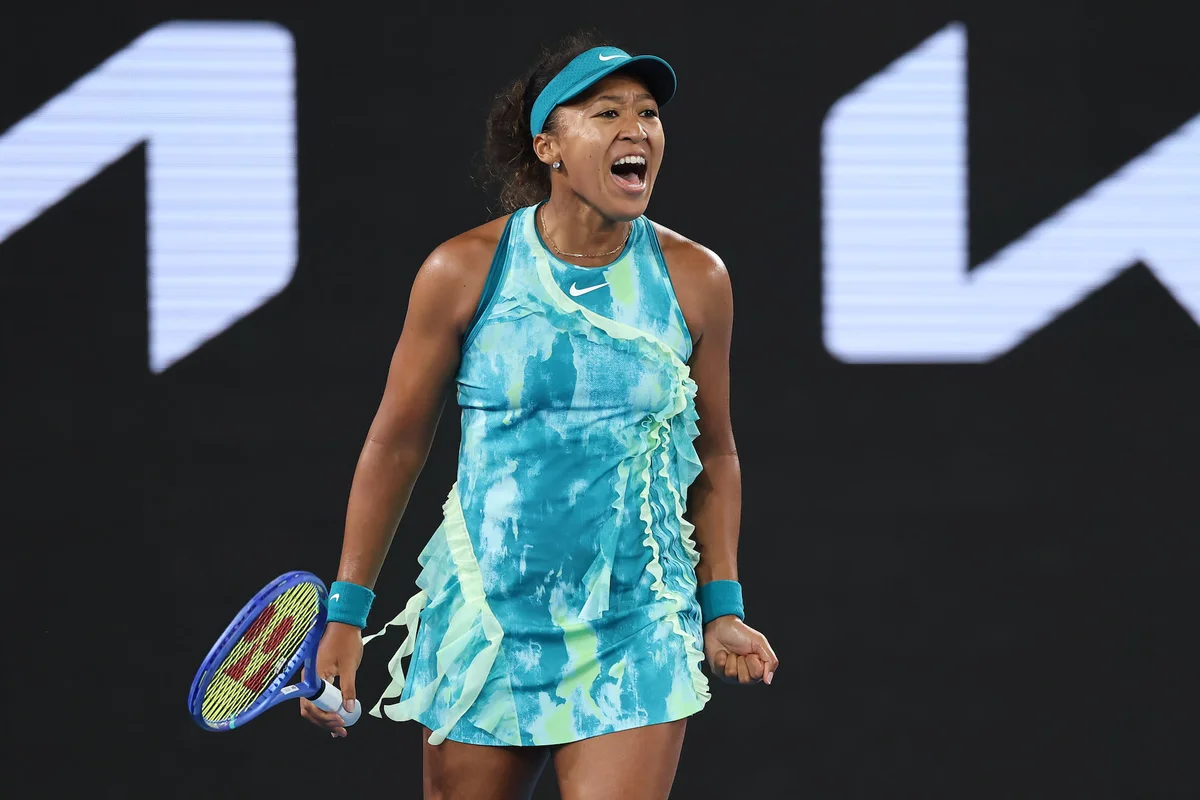
The four-time Grand Slam champion was last seen competing at the Australian Open, where she reached the third round before conceding a walkover to Maddison Inglis. Osaka’s appearances have been notable not only for her athletic skill but also for her bold expressions of individuality, such as the jellyfish-themed outfit she wore at Rod Laver Arena. She explained that such choices are extensions of her self-expression, highlighting her comfort with being different.
Born to Leonard Francois, a Haitian father, and Tamaki, her Japanese mother, Osaka was raised in the United States, which adds layers to her multicultural identity. Growing up playing under the Japanese flag but not looking fully Japanese made her aware of her distinctiveness from a young age. In a recent interview with Hypebeast, Osaka encouraged others who feel set apart because of their backgrounds to take pride in their uniqueness.
And also someone that made it easy for the people that are different or unique. For me, with my background being Japanese and Haitian, and American, I’ve just always been considered different. And growing up, playing with the Japanese flag, but not looking fully Japanese, it just made me aware of being a little different from everyone else. I was always kind of OK with it, and I realized that for some people, it’s tough to accept that. I realized there are always a few black sheep in the bunch, and just hope that they know that it’s cool to be different and unique.
— Naomi Osaka, Professional Tennis Player
Challenges on the Court and Plans for Return
Osaka’s recent competition schedule has been interrupted by a persistent abdominal injury, leading her to withdraw from the Middle East Swing tournaments. Despite this setback, she remains optimistic about returning to competitive play at the Sunshine Doubles, starting with the Indian Wells event on March 4. This comeback event is highly anticipated as Osaka looks to regain her form and continue her impactful career on the WTA tour.
Recognition of Novak Djokovic’s Dedication and Resilience
During the same interview, Osaka praised Novak Djokovic for his relentless approach to fitness and recovery, attributing his longevity in the sport to his disciplined regimen. She highlighted how modern athletes must push their physical limits and prioritize recovery to remain competitive, noting Djokovic as a prime example of this commitment.
Djokovic’s run to the Australian Open final marked a return to Grand Slam prominence after a period away from major finals. Though he was ultimately defeated by Carlos Alcaraz—who made history as the youngest male player in the Open Era to complete the Career Grand Slam—Djokovic’s performance demonstrated his persistent drive.
In the times before us, I think some athletes could get away with doing certain things just because they were athletic enough. Now everyone’s figuring out their fitness level. I feel like that also has to do with Djokovic, to be honest. He’s kind of set a precedent on understanding your body and putting in work to do all the recovery. He’s amazing. He just went to the Australian Open finals, and he’s still here fighting and winning.
— Naomi Osaka, Professional Tennis Player
Recent Tournament Highlights Involving Top Players
Osaka’s reflections on Djokovic coincide with updates across the tennis world. Djokovic secured the title at the Qatar Open, claiming victory over Arthur Fils, while bypassing the Doha ATP 500 event. His consistent presence at significant tournaments, including the upcoming Indian Wells Masters where he holds five titles, demonstrates his enduring competitiveness despite recent challenges.
Carlos Alcaraz, who defeated Djokovic in the Australian Open final, continues to be a formidable presence on the tour, seeking further successes amid a growing rivalry with players like Jack Draper, who won the Indian Wells Masters last year. Meanwhile, Osaka herself has experienced a fluctuating run, including last year’s three final appearances at the ASB Classic, Canadian Open, and other events, but has yet to reclaim a tour-level title since the 2021 Australian Open.
The Broader Impact of Osaka’s Story and Future Prospects
Naomi Osaka’s openness about her biracial identity and the personal challenges it entails adds an important voice to conversations about diversity and inclusivity in sports. Her call for others to embrace their differences resonates beyond tennis, inspiring people who navigate similar struggles. As she prepares for her return to the circuit, her determination to leave a positive legacy remains clear.
With key tournaments approaching, including the Sunshine Doubles and Indian Wells, fans and observers eagerly await Osaka’s next moves, both on and off the court. Her career continues to reflect not only athletic excellence but also a powerful message about identity, resilience, and empowerment.
