
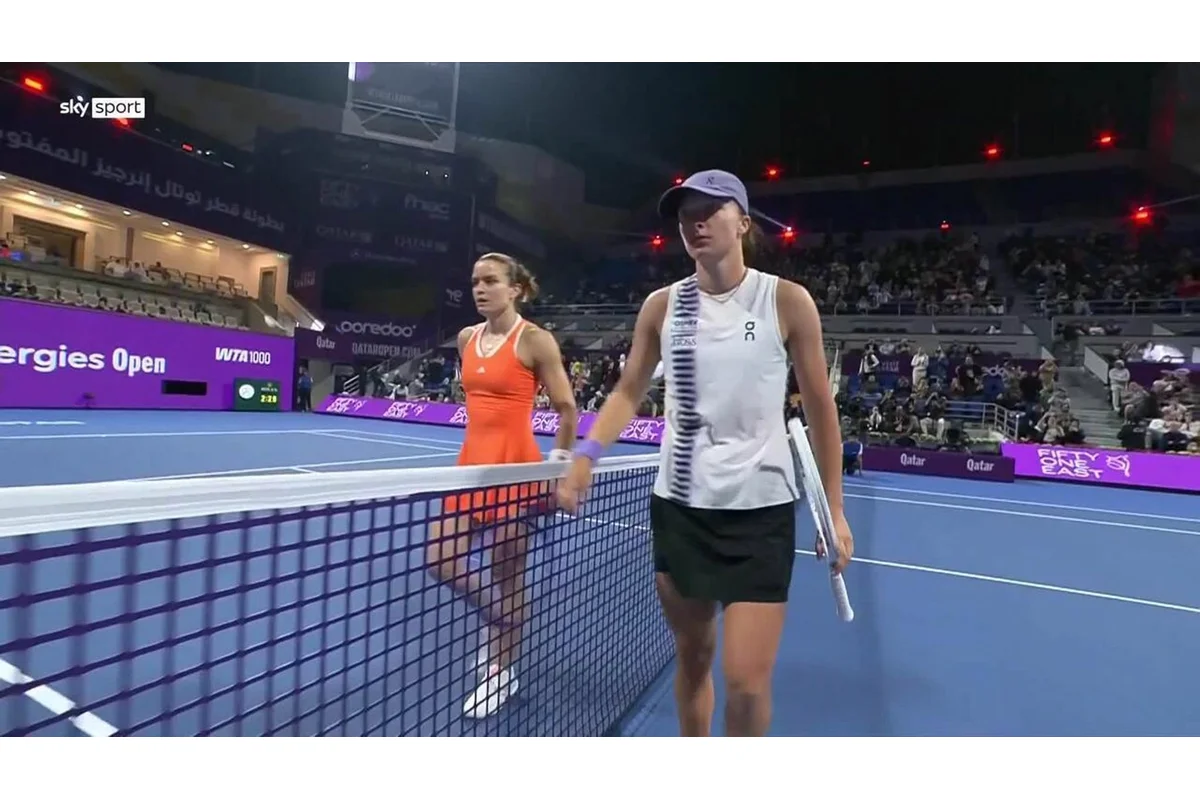
After a period of relative quiet on the professional tennis circuit, Maria Sakkari reemerged unexpectedly by defeating Iga Swiatek in Doha, halting what had been an unbroken streak of 109 matches where Swiatek won after taking the first set. This surprising victory marked a significant moment for Sakkari, reminding fans of her resilience and fighting spirit in the world of tennis.
Maria Sakkari’s Path to Professional Tennis
Sakkari’s journey into professional tennis was marked by relentless effort rather than instant acclaim. Unlike some players who transition smoothly from junior success to the senior tour, she had to build her position incrementally, climbing through lower-level rankings gradually. Around 2017 and 2018, her improvement began to show as her ranking started to mirror her growing abilities.
Raised in Greece, Sakkari carried the weight of national expectation almost single-handedly, influenced by her country’s rich sporting heritage. Her supporters often drew parallels between her and the ancient Spartans, reflecting her gritty, no-nonsense approach to the game. This mindset shaped her career as she earned every achievement through sheer determination rather than easy breaks.
By 2021, her efforts culminated in a breakthrough as she reached the top ten, made two Grand Slam semifinals, and emerged as a serious contender for major titles. In 2022, she climbed to a career-high world number three, sparking hopes that a Grand Slam final or trophy could be within reach.
The Gradual Decline and Its Challenges
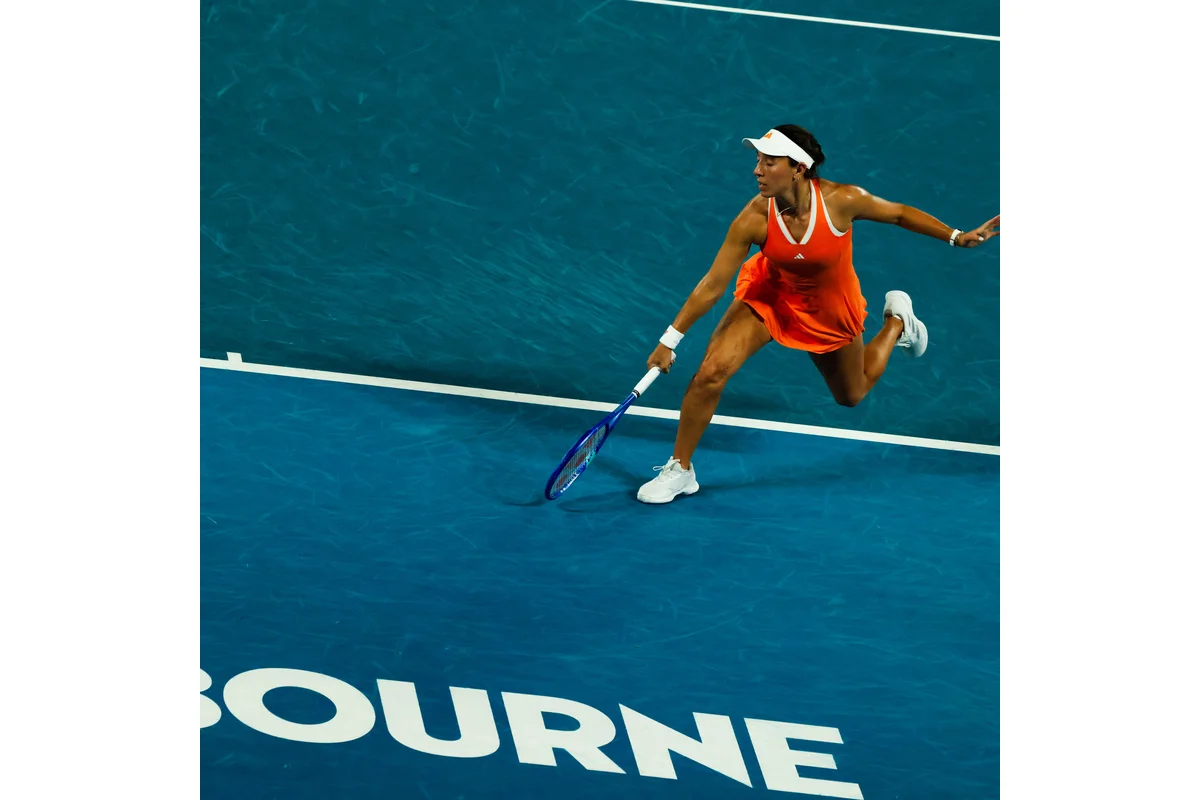
Despite the promise of her earlier successes, Sakkari’s peak was short-lived. Her performance plateaued, and although she stayed within the top ten for a time, she struggled to reclaim the form that hinted at a major breakthrough. After a slow descent, by 2025 her ranking had dropped near the edges of the top 100, drawing less attention from the tennis world than she once commanded.
The pressure of being Greece’s leading female tennis figure weighed heavily on her. She openly acknowledged how these expectations affected her game, evident in matches she might have otherwise handled efficiently. This pressure, accumulated over years, eroded the consistency and freedom of play that had once defined her rising trajectory.
Interestingly, this downturn brought some relief, as the intense scrutiny and weight of national hope diminished with her results. Freed from this burden, Sakkari was left to reconnect with her love for tennis itself rather than the demands it imposed on her country and supporters.
The Key Victory That Signaled a Revival
The match against Swiatek in Doha showcased a noticeably reinvigorated Sakkari. She played assertively, embodying the aggressive style that had characterized her best performances. After dropping the first set to Swiatek, she maintained her composure, preventing the pressure from overwhelming her before overpowering one of the sport’s top players over the next two sets.
Her career highlights already included almost 500 match wins, two titles including a prestigious WTA 1000 trophy, ten finals appearances, and a peak world ranking of number three. She earned respect from peers who recognized her as a formidable competitor, regardless of the setting or stakes. Throughout the ups and downs of her career, she never ceased to fight relentlessly.
Now 30 years old, Sakkari’s Doha win was less a flash of past glory and more a declaration that she remains a force on the tour. Her performance against Swiatek sent a clear message: despite challenges and setbacks, she has not faded into the background and is prepared for the battles ahead.
The Spartan spirit she carries means she does not seek approval but instead seizes it. This victory isn’t simply a comeback; it is a signal that more campaigns and contests remain for Maria Sakkari in elite women’s tennis.
