
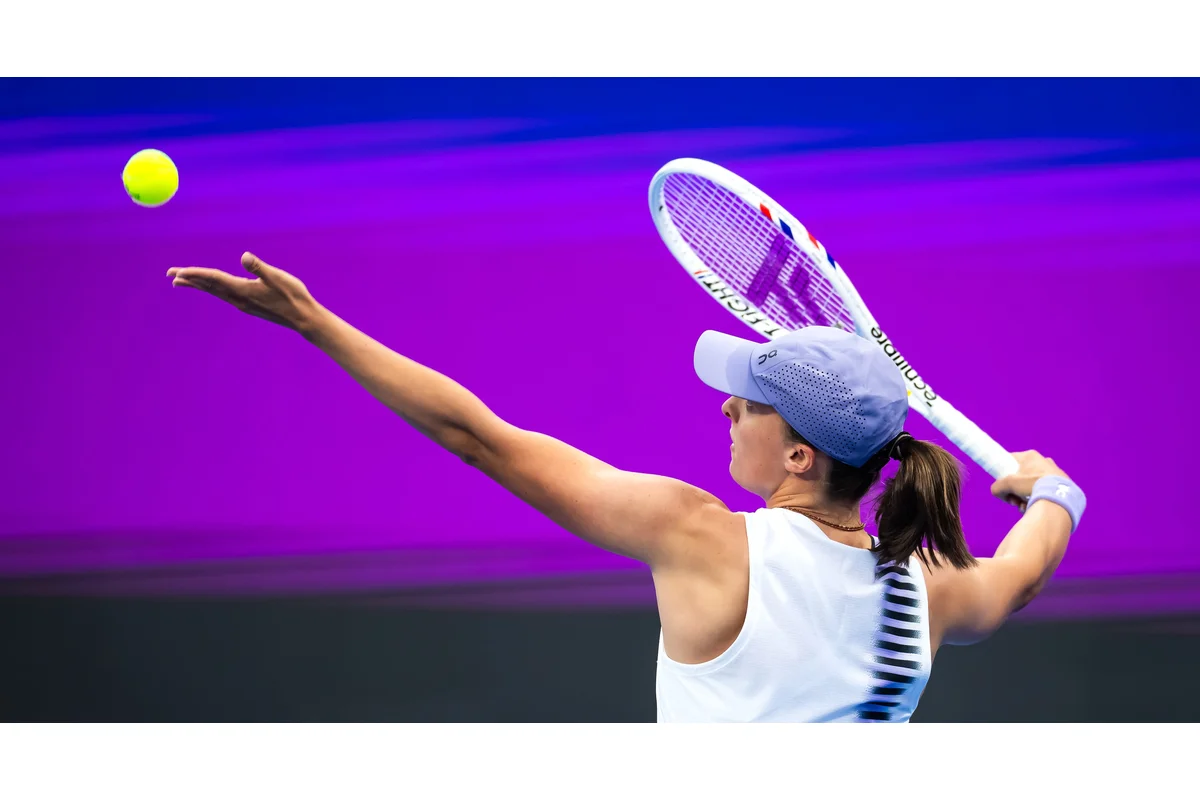
Following her victory over Maria Sakkari at Indian Wells, Iga Swiatek shared her thoughts on the current state of tennis equality between men’s and women’s competitions. Although Swiatek emphasized that players share much of the same experience on tour, she acknowledged that disparities may persist in certain areas, particularly around player requests.
Swiatek, who recently avenged a loss to Sakkari from Doha with a 6-3, 6-2 win, faced questions about both her match and broader issues in tennis during her post-match press conference. Her comments addressed whether men’s and women’s tennis are truly equal, a subject she approached with cautious insight.
Swiatek Highlights Possible Inequalities in Scheduling Accommodations
At just 24 years old, Iga Swiatek already ranks among the top women’s tennis players of this era, having secured six Grand Slam titles. Known for speaking openly about the sport, she has also voiced her opinion against extending women’s matches to best-of-five sets. Regarding equality, Swiatek said she generally feels well-treated as a female player but suggested that ATP players might receive more preferential treatment when it comes to schedule preferences.
Swiatek explained,
“Honestly, I don’t look at the schedule from this perspective, because, for example for you guys, you can say that, oh, night session is the best match to play, but I want to play day session,”
demonstrating her personal indifference toward match timing preferences.
She expanded on potential inequalities, noting,
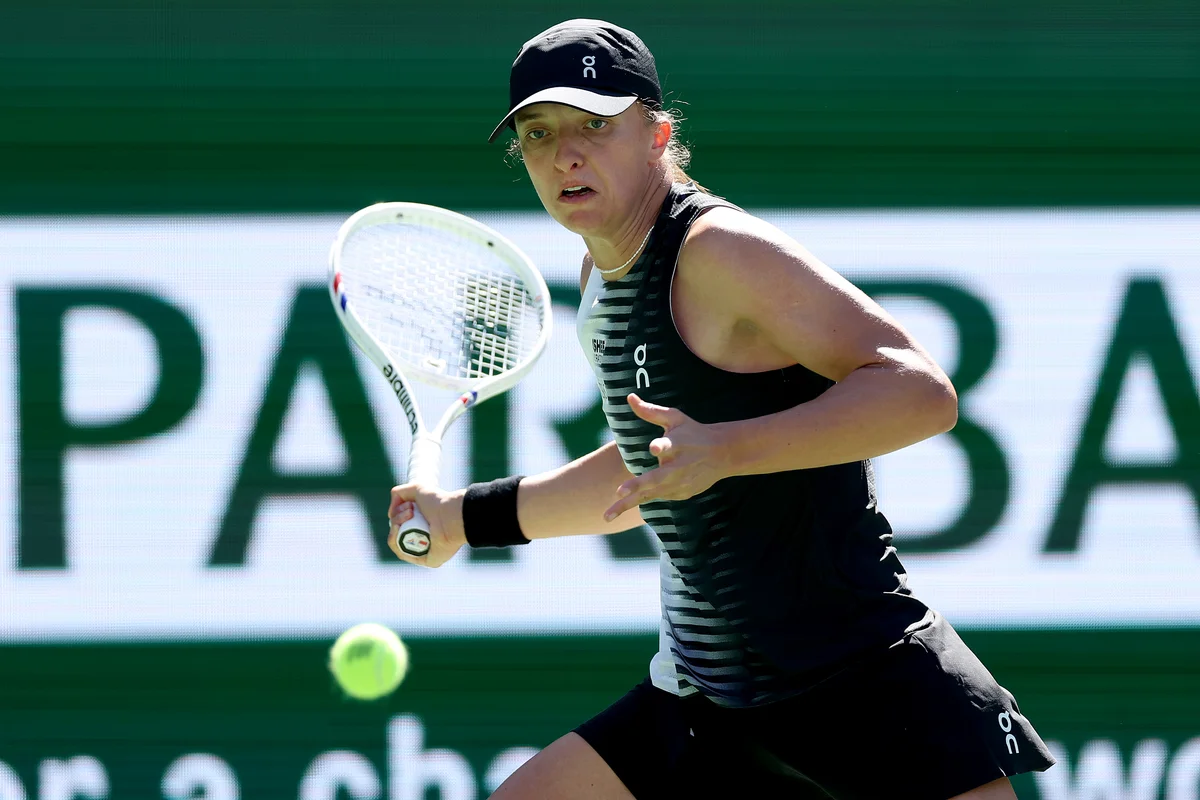
“I think the only thing that where inequality could occur is the requests, but I have no idea what other players request, so I have no way to judge that.”
She added she has never competed on the ATP Tour, which limits her awareness of differences in treatment between male and female players.
Swiatek stressed,
“I have never been a guy, I’m not on ATP Tour, so I don’t know how they’re treated. But I feel like we have good treatment, so there is nothing I would say is bad, you know, about our life on tour.”
She emphasized that both men and women participate in the same tournaments under similar conditions, concluding,
“It’s tough, obviously, because this sport is tough, but no, we play the same tournaments, we’re in the same environment, so I don’t know what particularly could be unequal.”
Novak Djokovic’s Perspective on Tennis Equality
Novak Djokovic offered his viewpoint on the subject following his own win at Indian Wells against Aleksandar Kovacevic. The 24-time Grand Slam champion reflected on how equality between the men’s and women’s circuits has shifted throughout his 23-year career.
Djokovic stated candidly,
“Well, it’s not what I think. It’s the fact,”
acknowledging women’s tennis as
“by far the most successful, I guess, global woman’s sport and also most paid, so it’s great to see that.”
He expressed his satisfaction with the progress made, adding,
“I’m happy for that, and I’m proud of that. I think it’s in a good place.”
However, Djokovic’s remarks today differ markedly from comments he made after winning Indian Wells in 2016. Back then, he argued that men’s tennis should be compensated more because of higher ticket sales. He said,
“I have been through that process, as well, so I understand how much power and energy WTA and all the advocates for equal prize money have invested in order to reach that. I applaud them for that. I honestly do. They fought for what they deserve, and they got it.”
At the same time, Djokovic maintained,
“On the other hand, I think that our men’s tennis world, ATP world, should fight for more, because the stats are showing that we have much more spectators on the men’s tennis matches.”
He concluded,
“I think that’s one of the, you know, reasons why maybe we should get awarded more. But, again, you know, we can’t complain because we also have great prize money in men’s tennis is at the right moment in the right time.”
The Ongoing Debate Over Tennis Equality and What It Means
Iga Swiatek’s reflections reveal the complexity in assessing equality between men’s and women’s tennis, especially given differences in tour structures and player experiences. While she feels positive about women’s treatment on the WTA Tour, she admits a lack of full visibility into the ATP Tour’s inner workings. Novak Djokovic’s evolving stance demonstrates how opinions on prize money and recognition can shift amidst changing dynamics of viewership and advocacy.
This dialogue underscores that while major strides have been made to support tennis equality, particularly in prize money and tournament access, subtle inequities may still exist, especially behind the scenes. The conversation remains important as players, organizers, and fans continue to navigate how fairness and opportunity are defined in professional tennis.
As these discussions progress, stakeholders are likely to keep examining how player demands, scheduling fairness, and compensation can be balanced across tours. With Iga Swiatek’s candidness and Novak Djokovic’s evolving views, the sport’s commitment to addressing these concerns will remain under close scrutiny by the global tennis community.
