Los Angeles Angels Overview
The Los Angeles Angels are a professional baseball team based in Anaheim, California, competing in Major League Baseball as a member of the American League West Division. Founded in 1961 by entertainer Gene Autry, the franchise was one of MLB’s first two expansion teams and the first to originate in California. The team plays its home games at Angel Stadium, the oldest ballpark in the major leagues, where it has resided since 1966. Known by the nicknames the Angels and the Halos, the club wears red, navy blue, and silver as its official colors.
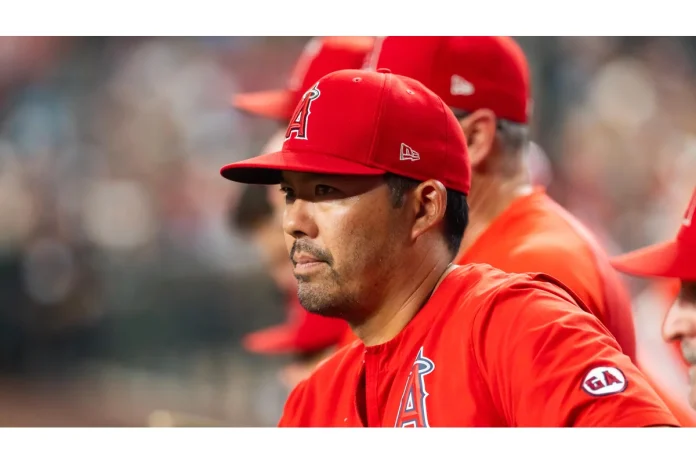
Across more than six decades, the Angels have built a distinctive identity anchored by memorable players, a World Series championship in 2002, and a passionate fan base in Southern California. The team is currently owned by Arte Moreno, with John Carpino serving as president, Perry Minasian as general manager, and Kurt Suzuki as manager. The franchise continues to maintain six minor league affiliates that develop future major league talent.
Founding and Organizational Origins
The Los Angeles Angels franchise was established by Major League Baseball in 1961 after original owner Gene Autry purchased the rights to the Angels name from Walter O’Malley, the former owner of the Los Angeles Dodgers. Autry paid $350,000 for the franchise name, which carried the legacy of the earlier Los Angeles Angels of the Pacific Coast League, a popular California baseball team that had played since the early twentieth century. As one of two expansion teams created during the 1961 Major League Baseball expansion, the Angels joined the American League alongside the new Washington Senators.
As an expansion franchise, the club continued in Los Angeles and opened play at Wrigley Field, the former home of the Pacific Coast League Angels. The team then moved in 1962 to the newly built Dodger Stadium, where the Angels were tenants of the Dodgers through 1965. The franchise operated under the Los Angeles Angels name through its first four seasons while building an early roster and identity in the major leagues.
Gene Autry owned the franchise for its first 36 years, guiding the team through its early decades and three postseason appearances, though the club never won a pennant during his ownership. On September 2, 1965, with the team still playing at Dodger Stadium, the franchise changed its name to the California Angels to reflect its upcoming move to a new ballpark in Anaheim. That move was completed before the start of the 1966 season, beginning a long chapter for the franchise in Orange County.
Growth Into Major League Baseball Competition
Following the move to Anaheim, the Angels settled into their new home and gradually built a competitive foundation. The team added Hall of Fame caliber talent during the 1970s and 1980s, including pitcher Nolan Ryan, who spent 1972 to 1979 with the franchise and threw four of his seven career no-hitters in an Angels uniform. Rod Carew joined the team in 1979 and collected his 3,000th career hit while wearing an Angels jersey, while Reggie Jackson played for California from 1982 to 1986 and hit his 500th career home run with the team.
The Angels reached the American League Championship Series in both 1982 and 1986, coming within one game of the World Series each time. These deep postseason runs signaled the franchise’s emergence as a credible contender in the American League. The team won three division titles during its first four decades, building a foundation of competitive play that set the stage for greater success in the years to follow.
In 1997, The Walt Disney Company took control of the franchise, renamed it the Anaheim Angels, and undertook a major renovation of Anaheim Stadium, which was renamed Edison International Field of Anaheim. The City of Anaheim contributed $30 million toward a $118 million renovation in exchange for a renegotiated lease that required the name Anaheim to appear in both the stadium and team titles. Disney’s ownership ushered in a new visual identity and modernized ballpark experience for fans.
Los Angeles Angels Competitive Journey
The Angels’ competitive journey traces a path from expansion-era inconsistency to a championship peak and a sustained run of playoff appearances. After decades of middling results, the franchise captured its first pennant and World Series title in 2002 under manager Mike Scioscia. The team then won five division titles between 2004 and 2009 and re-emerged as a postseason force behind stars like Vladimir Guerrero, before enduring a longer stretch without playoff baseball.
Early Seasons and Development (1961-1978)
The Angels played their first seasons in Los Angeles, sharing Wrigley Field and then Dodger Stadium before relocating to Anaheim. Early struggles gave way to gradual improvement as the franchise developed its first generation of stars and established a foothold in the California baseball market. Bill Rigney, the team’s first manager, was later honored with the title of field manager emeritus in recognition of his foundational role.
During this era, the Angels established many of the cultural elements that would define the franchise, including a signature cap design and on-field traditions that resonated with Southern California fans. Although postseason appearances were rare, the team built a loyal following and an organizational structure capable of supporting future contention.
Breakthrough in Major League Baseball (1979-2002)
The Angels’ first sustained period of contention came in the early 1980s, when the team won division titles in 1979 and 1982 and reached the ALCS for the first time. Hall of Fame players Rod Carew and Reggie Jackson anchored a roster that pushed the franchise to within one game of the World Series in 1982, signaling that the Angels could compete with the league’s best.
After returning to the ALCS in 1986, the Angels endured a 16-year postseason drought. The breakthrough finally arrived in 2002 under manager Mike Scioscia, when the team secured its first American League Wild Card berth and rode the momentum all the way to a World Series championship. Led by players like Garret Anderson and Tim Salmon, the Angels swept the San Francisco Giants in Game 7 to claim the franchise’s first and only title.
The Rally Monkey became a national phenomenon during that 2002 postseason, energizing the home crowd as the Angels rallied from a 5-0 deficit in Game 6 of the World Series. The team won six unanswered runs over two innings to turn the series around and clinched the championship at home. The victory came four years after the death of founder Gene Autry, and Tim Salmon’s gesture of carrying Autry’s white Stetson hat into the dugout created one of the most emotional images in franchise history.
Modern Program and Current Direction (2003-Present)
In 2005, new owner Arte Moreno added Los Angeles back to the team’s name, making it the Los Angeles Angels of Anaheim in compliance with the lease agreement requiring Anaheim in the title. The City of Anaheim and fans objected, and litigation followed, though the change was upheld in court and the lawsuit was dropped in 2009. By 2015, the team returned to simply the Los Angeles Angels, the name it carries today.
The Angels won division titles in 2004, 2005, 2007, 2008, 2009, and 2014, establishing a sustained run of postseason appearances in the mid-2000s. The signing of Albert Pujols in 2012 and the continued rise of Mike Trout and Shohei Ohtani brought international attention to the franchise. However, the team has not appeared in the postseason since 2014, marking the longest active playoff drought in Major League Baseball.
In December 2019, the city of Anaheim voted to sell Angel Stadium and surrounding land to a group led by Arte Moreno for $325 million, a deal that included plans for new housing, office space, and retail. The deal was canceled after federal bribery and corruption allegations involving an Angels Baseball employee and Anaheim mayor Harry Sidhu, who resigned in May 2022. Despite off-field turbulence, the franchise continued to draw more than three million fans per year through 2019, ranking among the top draws in baseball.
Philosophy and Competitive Strengths
The Angels have historically built their teams around marquee hitters and power arms, with a focus on patient at-bats, strong starting pitching, and timely home run power. The franchise’s modern identity has been shaped by stars such as Mike Trout, a three-time AL Most Valuable Player, and Shohei Ohtani, a two-way sensation who earned his own MVP award before departing for the Dodgers in December 2023. The team’s emphasis on athletic versatility and offensive firepower has defined its competitive style.
Key Milestones and Major Moments
Key milestones in franchise history include the team’s first division title in 1979, its first pennant and World Series championship in 2002, and Mike Witt’s perfect game against the Texas Rangers in 1984. Through 2025, the Angels hold an all-time win-loss record of 5,093-5,205-3 and became the first expansion team to reach 5,000 total wins in 2024. The franchise is one of only three MLB teams, and the only one in the American League, to be undefeated in the World Series.
Los Angeles Angels Achievements and Results
The Angels’ verified accomplishments include one World Series championship, one American League pennant, nine American League West division titles, and one Wild Card berth. Through decades of play, the franchise has retired six numbers, including 11, 26, 29, 30, 50, and the league-wide 42. The team has also produced multiple Hall of Famers and Most Valuable Player award winners, cementing its place among baseball’s most recognizable franchises.
Major League Achievements
The Angels captured their first and only World Series championship in 2002, defeating the San Francisco Giants in seven games. The franchise has appeared in the World Series once, joining the Washington Nationals as the only MLB teams to win their sole appearance on baseball’s biggest stage. With one World Series title and one American League pennant, the 2002 run remains the crowning achievement in franchise history.
Conference Achievements
The Angels have won one American League pennant, earned in 2002 en route to their World Series victory. The franchise reached the American League Championship Series in 1982 and 1986 as well, falling one game short of the pennant each time. These deep postseason runs represent the most successful conference-level stretches in team history.
Divisional Achievements
The Angels have won nine American League West division titles, in 1979, 1982, 1986, 2004, 2005, 2007, 2008, 2009, and 2014. Their strongest divisional stretch came during the mid-2000s under manager Mike Scioscia, when the team captured five division crowns in six seasons. The Angels developed stars such as Vladimir Guerrero during this era and consistently ranked among MLB’s top draws in home attendance.
Series Achievements
The Angels secured one American League Wild Card berth in 2002, using that entry point into the postseason to fuel their championship run. The franchise has not returned to the postseason since 2014, enduring the longest active playoff drought in Major League Baseball. Despite this drought, the team has continued to feature marquee talent and rank among baseball’s most recognizable franchises on a national and international level.