

Marcus Ericsson came heartbreakingly close to securing his second Indianapolis 500 title last May, leading the race until Lap 187 when a decisive maneuver by Álex Palou in Turn 1 dramatically shifted the lead away from the Swede. Ericsson, driving for Andretti Global, appeared unprepared for Palou’s strategic move, which cost him the potential to further cement his legacy in IndyCar history.
This defeat echoed a painful pattern for Ericsson, who experienced a similar loss in 2023 when Josef Newgarden overtook him on the final lap, ending his attempted title defense—a feat rare in the event’s history. The 2025 race added further frustration as, despite crossing the finish line second, Ericsson was later demoted to the back of the results due to a technical infraction found in post-race inspection, deepening the emotional toll.
Struggles and Progress in the 2025 Season
Ericsson entered his second year with Andretti Global bearing hopes to improve after a rocky 2024. Although his past season showed flashes of speed—qualifying consistently in the top seven early on—his race results were inconsistent, with only sporadic top 10 finishes and several placements outside the top 20. The progression seen in his earlier career, particularly during his time with Chip Ganassi Racing (CGR), where he displayed remarkable consistency and ranked as high as sixth overall, seemed elusive.
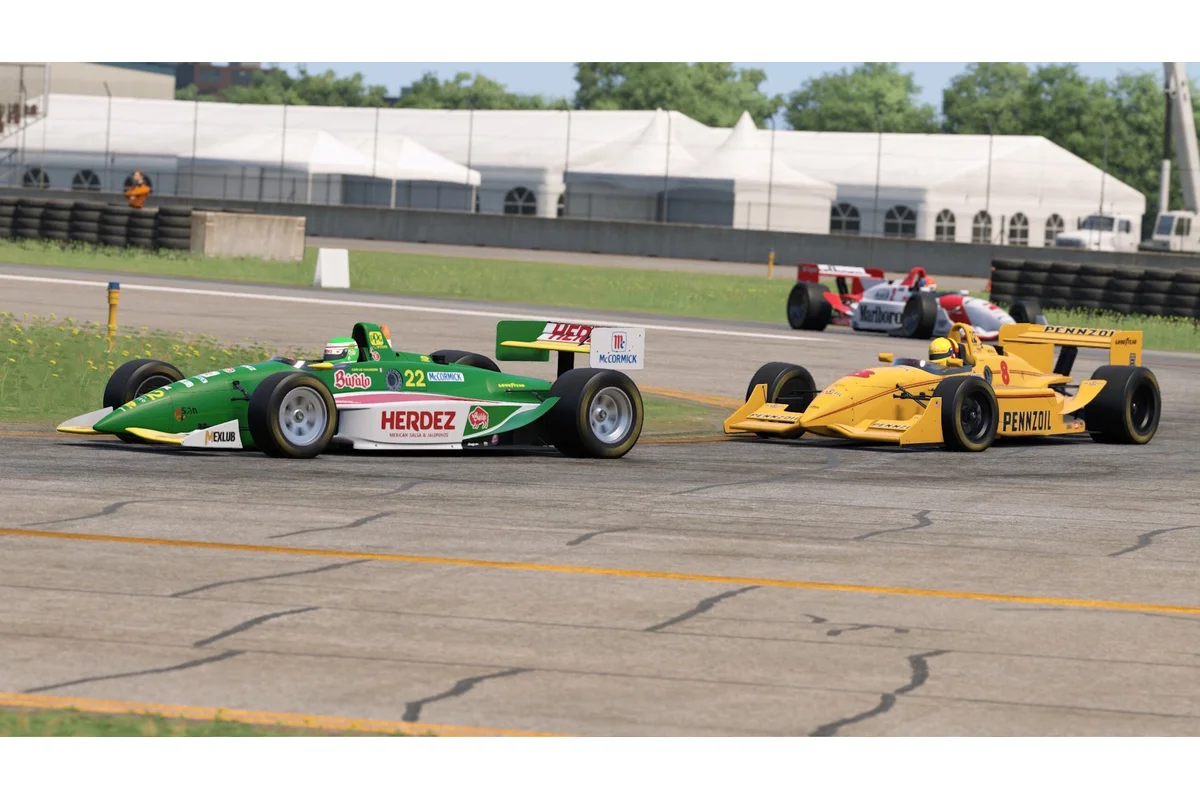
His performance in 2025 mirrored these challenges. Across a 17-race schedule, he managed only one top-five finish in Toronto and struggled for consistency, landing eighth times within the top 15 and finishing 20th overall in the standings. This marked a clear downturn compared to his consistent success with CGR, where in multiple seasons he rarely finished outside the top 10.
Reflecting on Past Success and Current Challenges
Ericsson openly acknowledged his need to regain the steadiness that defined his period at Ganassi, emphasizing the importance of having a reliable car and strong team dynamics to compete at the front. Speaking at IndyCar’s media days, he said,
“It was a lot of different things that contributed to what happened last year,
Ericsson reflected, speaking on IndyCar’s annual media days. “That negative spiral after the Month of May was something that was really tough for us and for me.”
“The start of last year was really strong. I was one of the fastest leading up to May. Just need to get back to that, get back to the basics. I’ve looked a lot at myself: what can I do better, how can I work better with the team to get the car I need and balance I need.”
He noted that after a disappointing 2024 season, in which he finished 15th in the championship, he invested significant effort during the off-season to improve. The contrast between his strong teammate Colton Herta—who finished second overall—and his own results highlighted the gap Ericsson felt compelled to close.
Team Changes and Mental Strength Focus
Amid adjustments, Ericsson has worked closely with a revamped team including a new engineer and strategist, targeting improvements in performance consistency. He described the changes as collective efforts addressing numerous detailed areas to elevate their competitiveness.
“I’ve been spending a lot of time with the team,”
Ericsson explained. “Got a new engineer, new strategist this year, so a lot of changes there. Excited to see all of that come together and see where we are.
“There’s a lot of self-reflecting and seeing what I can do better as a driver. I know the team has worked extremely hard to also do things better and there’s a lot of changes there as well. It’s not one thing you can point at. It’s just a lot of small things together that makes a difference. We’ve put down the work to really make sure we are better and stronger.”
Besides technical and physical preparation, Ericsson places high value on mental training to build resilience, particularly after enduring the setbacks of the previous year.
“It’s still underestimated, the importance of mental training and mental strength,”
Ericsson acknowledged. “When you have a tough season like I had last year, it’s really even more important to focus on those things and really build yourself up and have a strong mental approach to things.
“That’s where I can learn a lot from last year, how I got into a bit of a negative spiral after the Month of May and I couldn’t really break out of that. And that affected my results and my performances throughout the last part of the year. I’ve been analysing that, learning from that and have tools now to use how to not get there.
“It’s an interesting thing and [there] is still a lot you can learn from the mental side. Everyone is different there as well. I’m lucky I have a very good coach in Sweden, Stig, that I work with and we’ve had some really cool stuff that we’ve done that I think is going to really pay off this year.”
Broadening Experience Beyond IndyCar
Ericsson expanded his racing endeavors this off-season by stepping into GT3 competition for the first time, participating in endurance events such as the Daytona 24 Hours and the Malaysia 12 Hours at Sepang International Circuit, where he also teamed up with his brother, Hampus. These experiences outside his comfort zone have provided valuable insights into his adaptability and growth as a driver.
“I wish I could have tested an Indy car every week for the off-season and work on different things… but you can’t do that,”
he said. “You need to think outside the box. One of the things I wanted to do this off-season was to challenge myself, go outside my comfort zone.
“That’s why I did a couple races in GT3 because I’ve never driven GT cars in my life. So that’s been really interesting and it’s been a great thing to learn things about myself and, as a racing driver, how I adapt to different situations.”
The Road Ahead: Pressure and Potential
As Ericsson approaches 36 years old, the upcoming season carries heightened pressure. His contract with Andretti Global concludes at the end of 2026, and emerging talents like Dennis Hauger—currently competing with Dale Coyne Racing in a technical alliance with Andretti—may present future competition for a valuable seat on a front-running team.
Despite the uncertainties, Ericsson remains focused on delivering strong performances, recognizing the significance of this year for his career trajectory. Drawing on his history of thriving under high pressure, he expressed confidence in his ability to rebound.
“It’s a bounce-back year for me,”
he insisted. “You can do as much talking as you want outside the track but it’s the results that matter. I need to focus on that and I need to be on the level I’ve shown I can be and running up front, winning races and fighting with the best.
“Always throughout my career I’ve performed my best when it’s high pressure – and I think that’s why also the 500 is something I do very well at, because it’s the most high-pressure race of the year. I have a good feeling about it.”
This mindset highlights Ericsson’s determination to harness his experience and mental fortitude to improve his IndyCarMarcus Ericsson performance, aiming to rediscover the consistency and competitive edge that previously defined his racing career.
