
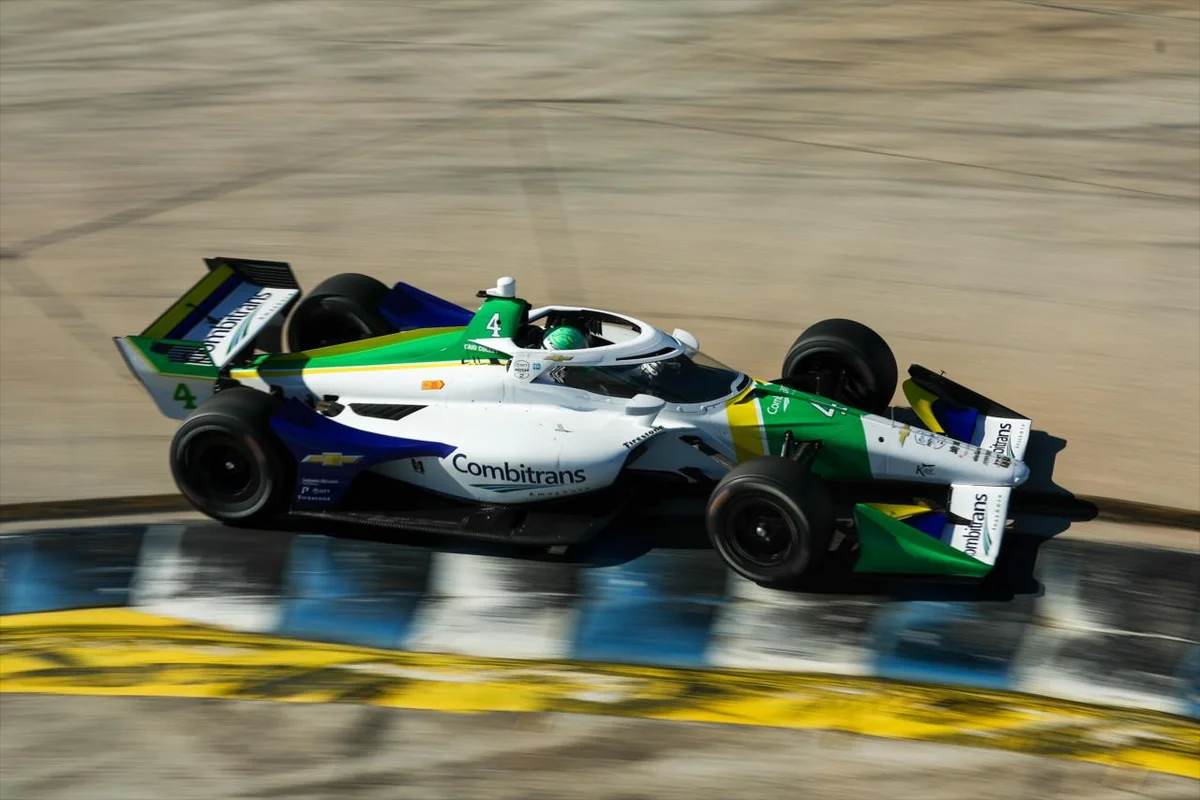
Honda and Chevrolet, the only two engine providers in IndyCar since 2012, have agreed to extend their partnership through 2028, ending speculation about Honda’s possible departure amid rising costs concerns in 2023. This extension was confirmed recently, ensuring that both manufacturers will continue supplying engines under upcoming technical regulations, securing stability in American open-wheel racing.
Planned Transition to New Engine Specifications and Factory Teams
For the next two seasons, Honda and Chevrolet will maintain their current 2.2-liter V-6 engines before introducing a new 2.4-liter engine format aligned with changes to car and engine rules scheduled for 2028. The agreement also includes the creation of single-car factory teams for each manufacturer, marking the return of works teams to the IndyCar grid for the first time in decades.
Implications for Honda’s Racing Involvement Beyond IndyCar
Despite Honda’s global performance division HRC having the capacity to enter NASCAR competition, its renewed commitment to IndyCar suggests it will not pursue NASCAR activities soon. Meanwhile, Stellantis, having re-entered the NASCAR Truck Series via Ram, appears to be planning further expansion within stock car racing.
IndyCar’s Position and Future Prospects Amid Stability
With confirmed engine partnerships and a major broadcast deal secured with Fox, IndyCar now enjoys a period of stability after years of uncertainty across broadcasting, engine suppliers, and scheduling. This foundation allows the series to explore further growth opportunities, though the ultimate outcomes remain to be seen.
“both Honda and Chevrolet have signed extensions that will keep them in IndyCar through the next set of engine regulations.” ?Marshall Pruett, Reporter at RACER
