
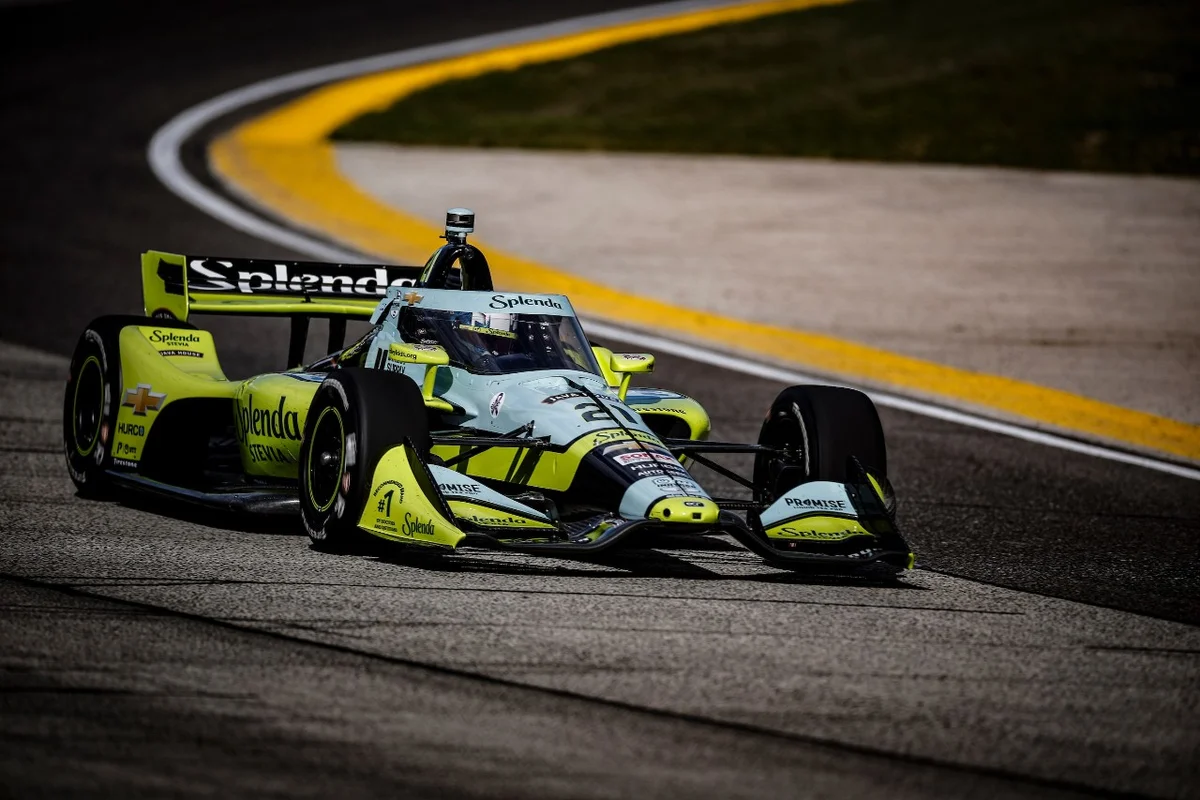
IndyCar has confirmed that Honda and Chevrolet will continue as official engine suppliers under new multi-year agreements with Penske Entertainment, the series owner. These contracts, set to commence in 2027, guarantee that both manufacturers remain integral to IndyCar’s engine program as the current deals conclude after the 2026 season, which begins on March 1 in Florida. The extension supports the ongoing collaboration vital to the series’ technical and competitive framework.
Manufacturers to Influence Engine Development and Racing Regulations
As part of the extended contracts, Honda and Chevrolet will participate actively in shaping the development of the engines and competition rules for the new car expected to debut in the 2028 IndyCar season. While the precise duration of the agreements was not fully disclosed, the deals include provisions allowing each manufacturer to join IndyCar’s charter program starting in 2028.
Charter membership permits Honda and Chevrolet to enter one factory-backed car and grants access to team-owner meetings, where key strategic decisions regarding the series are made. The charter system itself was introduced in 2024, with existing charter agreements scheduled through 2031, providing a stable governance framework for stakeholders.
IndyCar Leadership Highlights Commitment from Honda and Chevrolet
IndyCar president J. Douglas Boles emphasized the importance of the continued partnership, noting the extensive collaboration over the past year. He said,
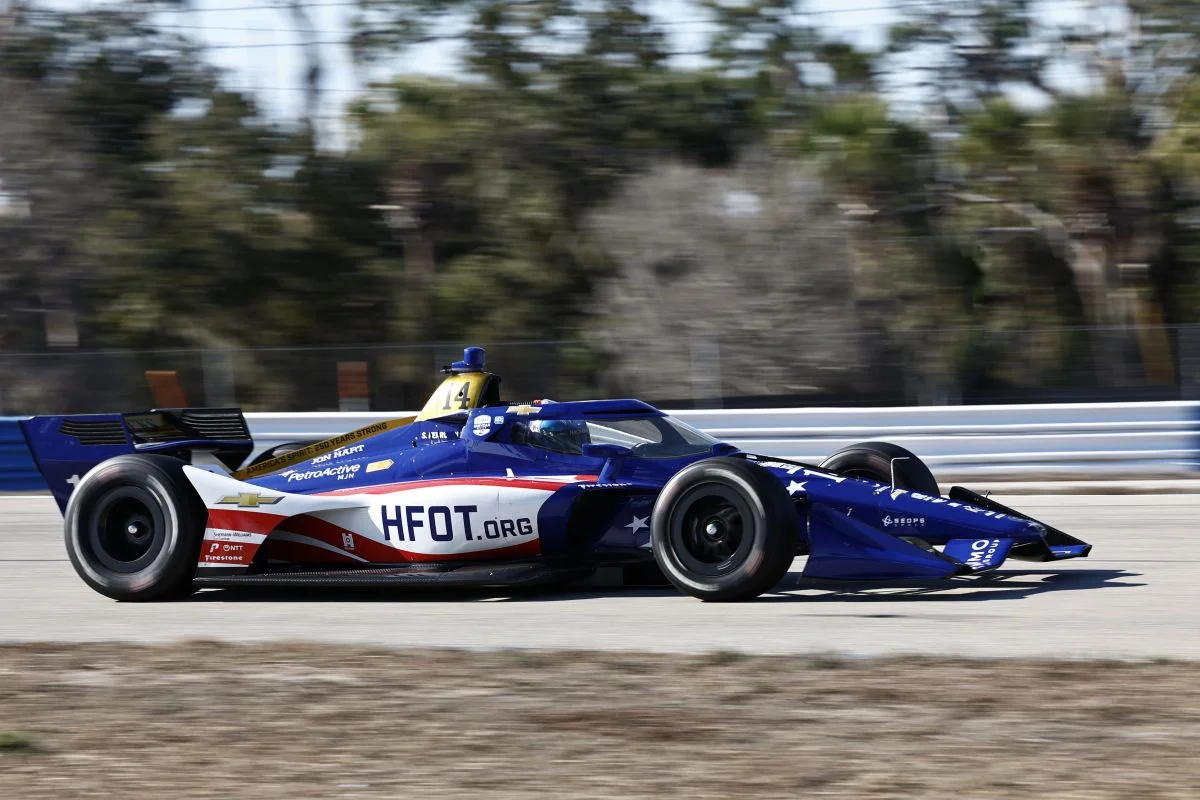
“As charter entrants in 2028, Chevrolet and Honda now have a new and exciting opportunity to build on their incredible legacies across IndyCar Series racing, while continuing their strong relationships with our current roster of teams and helping deliver an innovative and industry-leading new car in 2028.”
— J. Douglas Boles, IndyCar President
This deal dispels speculation that Honda might exit the sport due to rising participation costs, reinforcing the manufacturers’ dedication to IndyCar’s growth and competitiveness.
Legacy and Achievements of Honda and Chevrolet in IndyCar
Honda has been involved in IndyCar since 1994, contributing over three decades of engine supply experience, including a period serving as the sole engine provider. Chevrolet returned to the series in 2012 and has since secured nine manufacturer championships over 14 seasons. Their presence has played a crucial role in the increasing popularity and competitive nature of the series.
Reflecting on Honda’s long-standing role, David Salters, president of Honda Racing Corporation USA, remarked,
“This longstanding commitment strengthens our ability to allow us to further develop our people and technology at the pinnacle of open-wheel racing in North America.”
— David Salters, President, Honda Racing Corporation USA
Mark Reuss, president of General Motors, expressed optimism about Chevrolet’s future participation, stating,
“The addition of a charter allows Chevrolet to join with other stakeholders to continue to make the series even stronger. IndyCar produces consistently exciting racing on road and street courses as well as ovals, and we look forward to building on our IndyCar legacy and put on a great show for our loyal Chevrolet fans.”
— Mark Reuss, President, General Motors
Broader Industry and Media Partnerships Supporting IndyCar’s Growth
Last year, media company Fox acquired a one-third stake in Penske Entertainment, which includes IndyCar and the Indianapolis Motor Speedway. The deal, reported to be valued between $125 million and $135 million, also renewed broadcast rights for several upcoming seasons. Fox’s investment aims to enhance the series’ digital presence, content strategy, and fan engagement, complementing the technical and competitive stability provided by the engine supply agreements.
Future Outlook for IndyCar’s Engine Landscape and Competition
With Honda and Chevrolet confirmed as engine suppliers through the 2031 charter period, IndyCar secures continuity in its technical partnerships while preparing for a significant car model update in 2028. The involvement of manufacturers in competition rules and development signals a collaborative approach designed to foster innovation and maintain racing excitement.
The expanded charter access for both brands also facilitates deeper engagement with team owners, aligning manufacturer strategies with broader series objectives. This collaborative framework ensures that IndyCar remains competitive and adaptive in the evolving landscape of North American open-wheel racing.
