
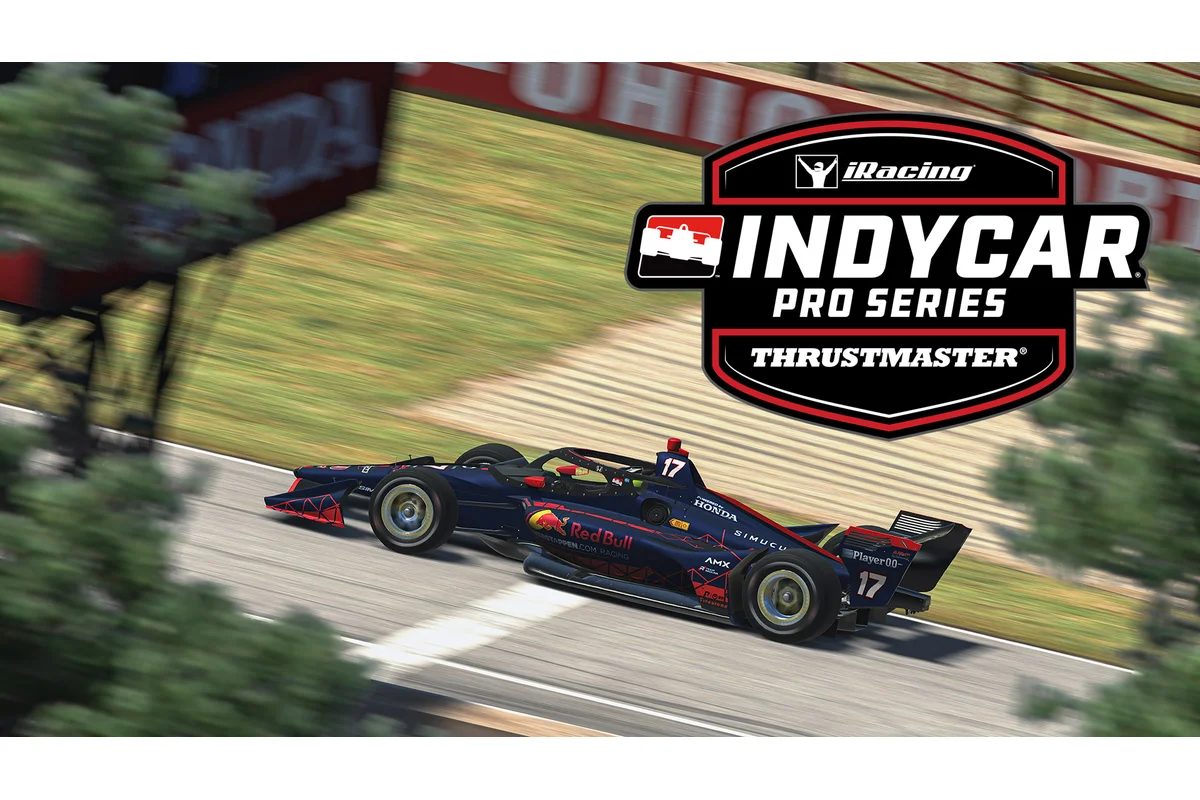
IndyCar has introduced significant rule changes for the 2026 season, focusing on tire regulations and enhanced safety measures, especially at the Indianapolis 500. These updates come as the series prepares to start its new season this weekend at the St. Petersburg street circuit, where defending champion Alex Palou will begin his quest for another title under these revised conditions.
The modifications are designed to affect racing strategies and safety at some of the sport’s most demanding events, signaling a notable shift in how teams and drivers will approach the upcoming campaign.
Tire Regulations Adjusted to Impact Strategy on Street Circuits
One of the most significant adjustments involves tire usage during street races. Previously, teams had to use one set of primary tires alongside one set of alternate tires, but starting in 2026, competitors must run one set of primary tires and two sets of alternates during street-course events.
This change introduces greater strategic complexity, as alternate tires generally provide improved grip but degrade faster than primary tires. Teams will need to make more nuanced decisions about tire management and pit stops, which might lead to bolder and more variable tactics during street races.
Mark Sibla, IndyCar Senior Vice President, highlighted the intent behind this update:
IndyCar is always looking into ways to improve the quality of what is already exceptional on-track action. This street circuit update will challenge drivers and strategists alike and provide an avenue for even more memorable wheel-to-wheel action at our fan-favored street events in 2026.
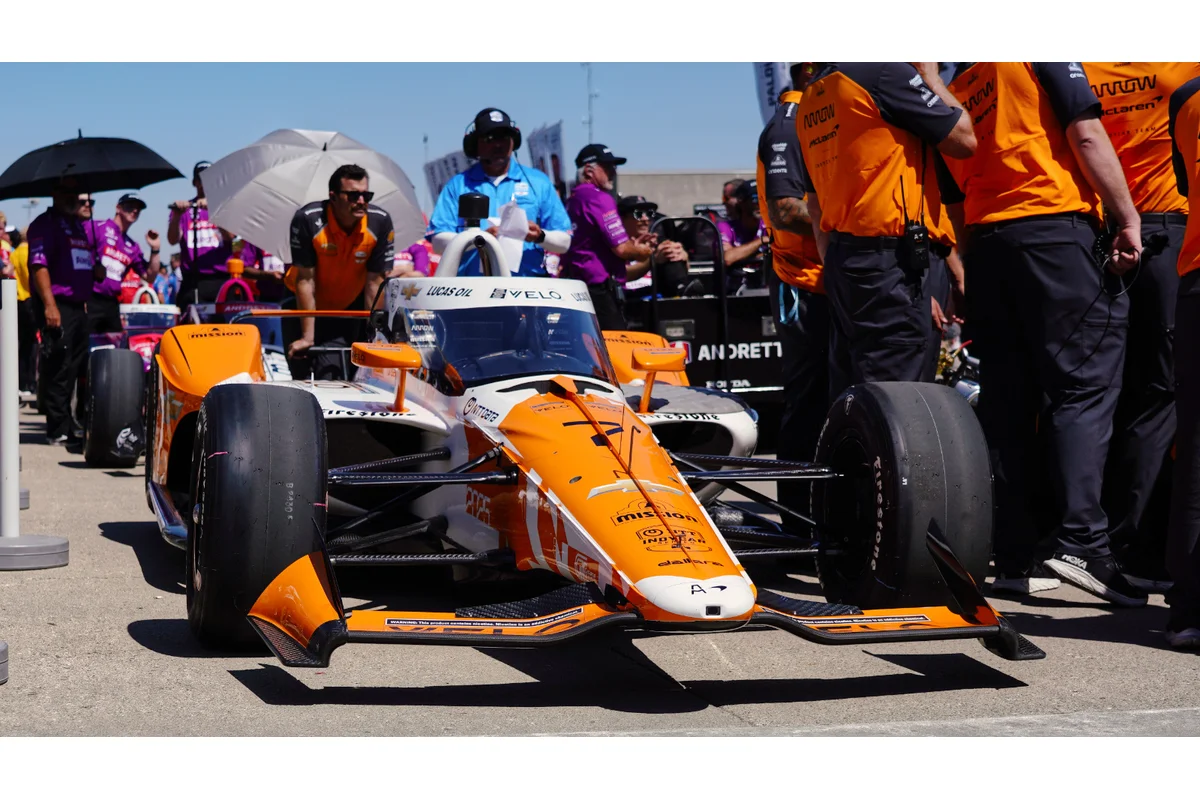
Alongside the tire rule, practice formats on street circuits are also changing. The second practice session will now mimic the group format of the first, dividing cars into splits based on pit box numbers. Each driver will have an initial 40-minute practice, followed by shorter sessions, providing teams more structured preparation time. Warmup sessions are also extended from 25 to 30 minutes, offering additional track time before races.
Enhanced Safety Measures Introduced for Indianapolis 500
Safety improvements are a key part of the 2026 regulations, focusing especially on the Indianapolis 500. A new requirement mandates that all cars running in sessions at the Indianapolis Motor Speedway install superspeedway tire ramp flaps. These carbon fiber components are specifically engineered to help keep cars grounded during spins, reducing the risk of cars becoming airborne.
Last year’s multiple high-speed incidents during practice and qualifying demonstrated the ongoing challenge of maintaining vehicle stability on the oval, prompting a detailed analysis by engineers, officials, and chassis manufacturer Dallara. Their testing indicates that the updated ramp flaps reduce the likelihood of cars lifting off after 180-degree spins by nearly 9%.
Tino Belli, IndyCar Director of Aerodynamic Development Engineering, explained the collaboration:
Dallara is a tremendous partner and have joined us to closely examine spins that have occurred over the last few years at IMS. This update to the rear tire ramps has proven in computational fluid dynamics testing to decrease, by nearly 9 percent, the likelihood of a car at speed ‘lifting’ after a 180-degree spin.
Season Structure Expanded and New Drivers Join the Grid
The 2026 calendar will feature 18 races, marking the first time in several years with a schedule of this length. This extension offers more opportunities for drivers to accumulate points and increases the volume of competition available for fans to follow. Television broadcasts will be handled by FOX Sports, maintaining wide visibility for the series.
Newcomer Mick Schumacher is set to make his rookie debut, joining the lineup and adding to the interest around driver battles this season. His presence alongside established competitors such as Alex Palou adds another dimension to the evolving IndyCar field.
The combination of revised tire rules, safety advancements, and an expanded race calendar suggests that the 2026 season will be closely watched for how these changes actually affect race outcomes and driver performance.
Looking Ahead: Potential Effects of the 2026 Rules on IndyCar Racing
The 2026 IndyCar rule changes introduce a blend of opportunity and challenge for teams, drivers, and race strategists. The additional set of alternate tires on street circuits could produce more dynamic races, while safety upgrades at the Indianapolis 500 aim to reduce the severity of high-speed crashes, improving driver security.
With more races scheduled and fresh faces like Schumacher entering the series, the competitive landscape could shift in new and unforeseen ways. Fans and participants alike will be observing how these technical updates influence the pace, strategy, and safety of one of motorsport’s most demanding series.
