
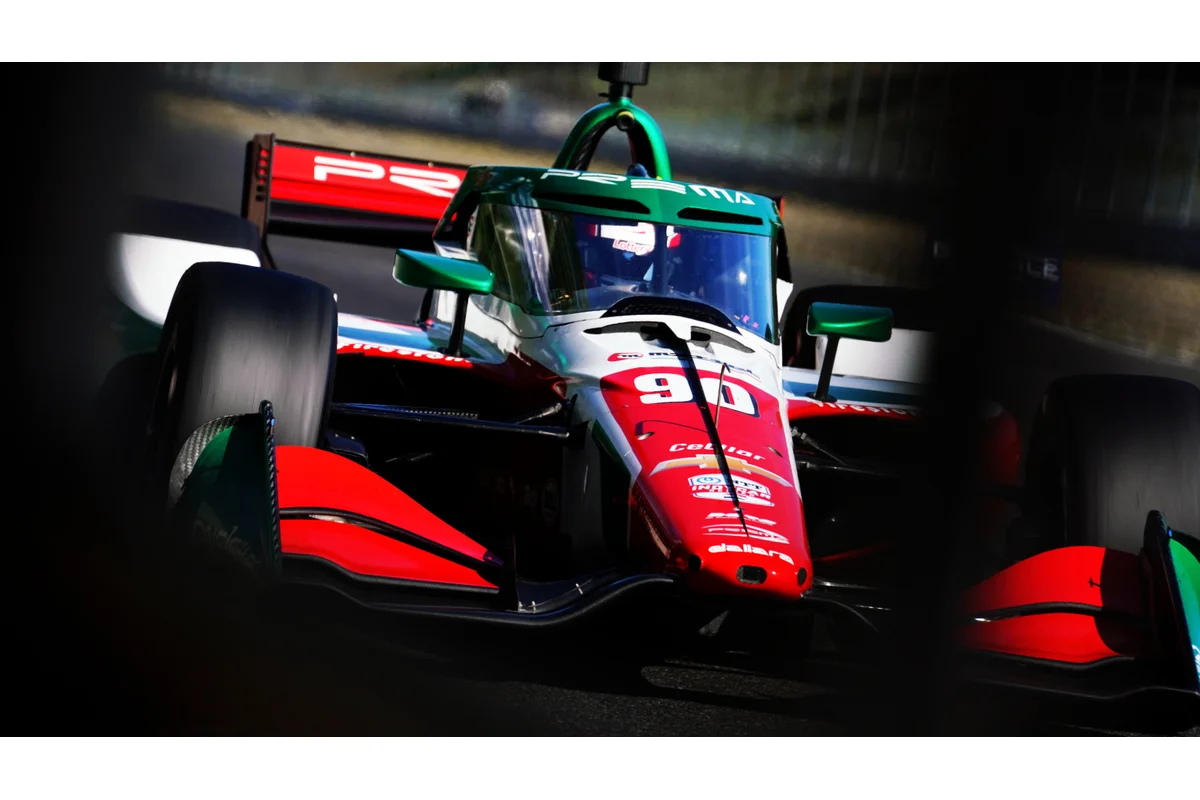
On February 27, 2026, Ralf Schumacher strongly criticized his nephew Mick Schumacher’s recent move to IndyCar, stating it effectively ends Mick’s hopes of returning to Formula 1. Speaking at a pre-season Sky Deutschland press event, Ralf questioned whether the potential benefits of racing in the United States outweigh the risks, especially given the inclusion of oval tracks in the IndyCar calendar.
Concerns Over Oval Racing and Safety Risks
Ralf emphasized the dangers linked to racing on high-speed ovals, highlighting the stark contrast with the European racing environment Mick is accustomed to.
“You don’t have to be a rocket scientist to realise that racing on an oval, at average speeds of 360 kmh, is somewhat more dangerous than a normal Formula 1 race,”
Ralf explained. He expressed confusion over Mick’s choice, calling it unnecessary, though he acknowledged Mick’s maturity in making his own decisions.
Mick Schumacher Acknowledges the Learning Curve Ahead
At 26 years old, Mick has admitted that moving to IndyCar will require significant adaptation. Ahead of the 2026 season opener in early March, he stated,
“I’ll probably need a bit longer,”
recognizing limited prior experience on oval circuits and the challenge of mastering a new car and tracks.
Ralf Doubts Mick’s Path Back to Formula 1
While Mick views IndyCar as a possible route to regain entry into Formula 1, Ralf is far less optimistic. He said,
“It’s clear the door is closed. This move certainly closed it, but it was already closed before, after being out for so long. New talents are always emerging.”
According to Ralf, Formula 1 demands immediate results, and Mick’s previous stint with Haas alongside Kevin Magnussen demonstrated the sport’s unforgiving nature.
Ralf’s Broader Critique of German Motorsport’s Decline
Beyond Mick’s individual situation, Ralf expressed concern about the state of German motorsport, attributing its decline to regulatory pressures and restrictions on karting facilities.
“German motorsport has destroyed itself. It started with nature conservation and not being allowed to continue operating kart tracks,”
he said.
He warned that without structural reforms, Germany’s future contributions to Formula 1 will diminish significantly.
“We won’t have any Formula 1 drivers in the foreseeable future unless they have enough money and manage to race karts in Italy. That’s the only way to compete directly with the best,”
Ralf concluded.
