
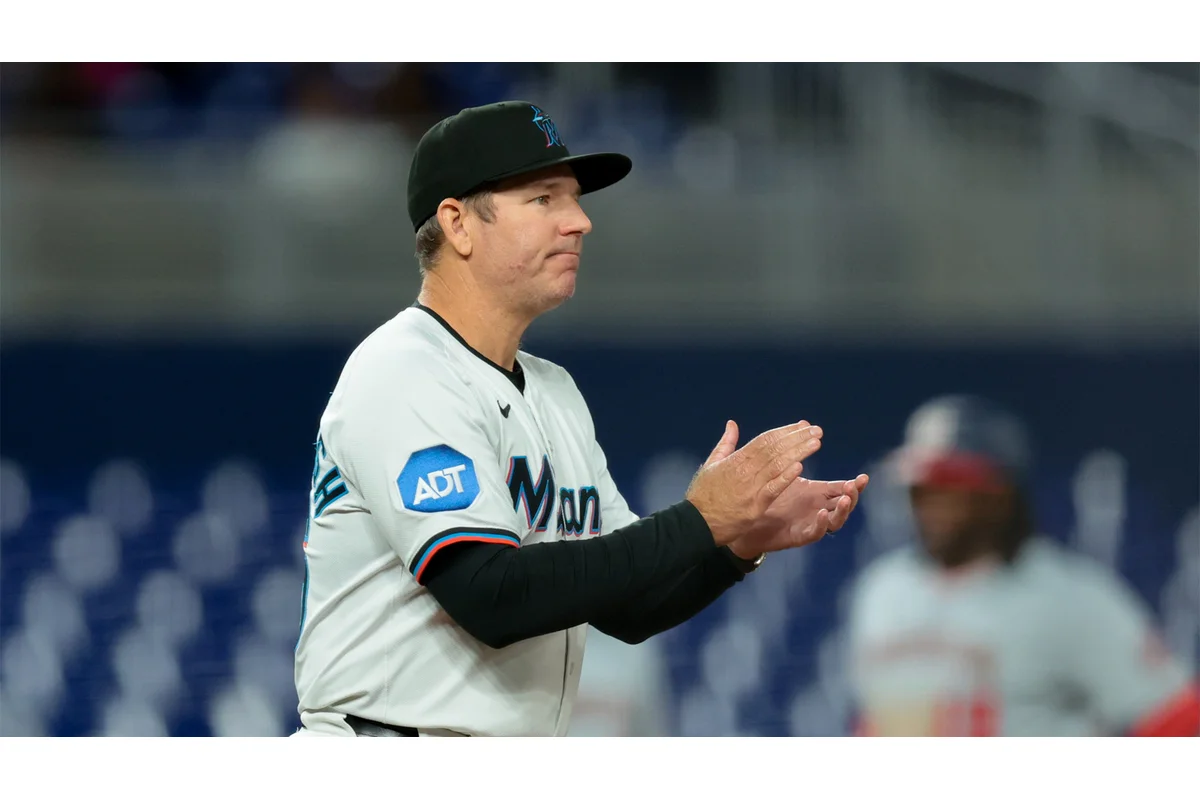
The financial valuations of Major League Baseball teams reveal a significant divide, especially between the New York Mets and the Miami Marlins. This contrast illustrates the impact of market size on team worth, with the Mets commanding a much higher valuation than the Marlins due to differences in location, fan base, and revenue potential.
Assessing the Mets’ Valuation and Economic Strength
The New York Mets benefit from operating in one of the largest and most lucrative sports markets in the United States. Their valuation is bolstered by steady attendance figures, strong media rights deals, and extensive sponsorship opportunities. This financial robustness positions the Mets as one of the higher-valued franchises within MLB, reflecting the advantages of being in a major metropolitan area.
Marlins’ Valuation Challenges Linked to Market Size
In contrast, the Miami Marlins face valuation constraints due to being in a smaller market with fewer revenue streams. While the team has passionate local supporters, limited stadium capacity and less lucrative broadcast contracts reduce its financial value. These factors exemplify the difficulties faced by small-market teams in competing with franchises based in larger cities.
Contextual Influences and Broader MLB Trends
This valuation divide extends beyond just the Mets and Marlins, highlighting a consistent pattern within MLB where market size drastically affects franchise worth. Smaller-market teams often struggle with revenue generation compared to their large-market counterparts, which can influence competitive balance and investment capacity across the league.
Implications for Future Team Development and League Dynamics
Understanding this financial disparity is essential for grasping MLB’s structural challenges. The marked difference in team valuations like those of the Mets and Marlins may impact player acquisitions, payroll competitiveness, and fan engagement strategies. As baseball continues to evolve, these economic divides will likely influence league policies and individual franchise decisions over the coming years.
