
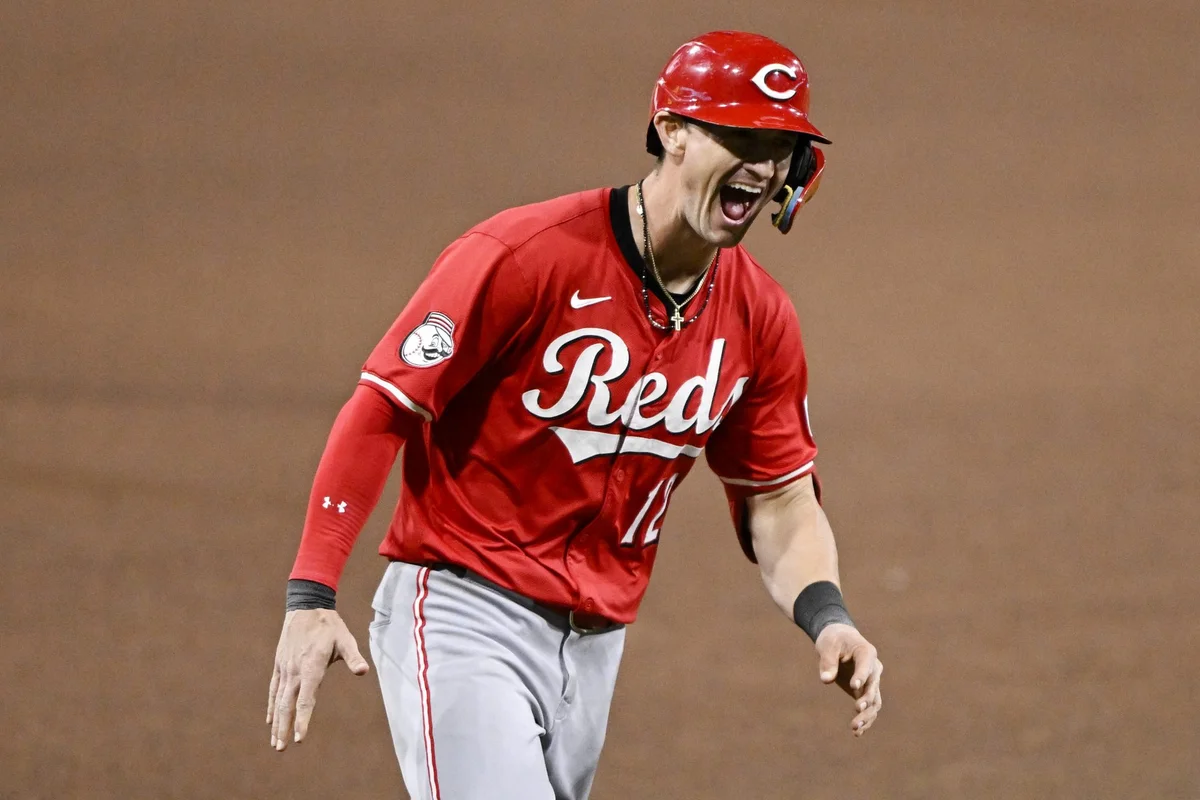
The Chicago White Sox have solidified their outfield plans for the upcoming season by signing Austin Hays in a move announced in late January. With a need for outfield depth and roster clarity, Chicago‘s decision to add Hays comes after a careful evaluation of market conditions and reflects their strategic approach during a cautious offseason.
After a winter filled with uncertainty and multiple team interests, Hays agreed to terms with the White Sox on a one-year deal, bringing both offensive potential and defensive stability to Chicago’s outfield group. This signing aligns with the club’s efforts to strengthen key positions without rushing into high-cost commitments.
Details of Austin Hays’ Contract Agreement
Austin Hays has inked a one-year contract with the White Sox that guarantees $5 million and includes mutual options after the term, featuring a $1 million buyout. Additional incentives based on plate appearances could increase the deal’s total value to over $6 million should Hays meet certain performance milestones. This structure ensures that Hays is motivated for playing time while managing the team’s financial risk.
Hays, who sought consistent opportunities on the field, will have ample chance to prove his value. The agreement mirrors his previous year’s salary, signifying Chicago’s confidence in his ability rather than an increased financial commitment. The contract’s finalization is contingent upon Hays passing his physical exam, and since the White Sox’s 40-man roster is currently full, corresponding roster adjustments will be made once his signing is official.
How Austin Hays Fits Within the Current Outfield Market
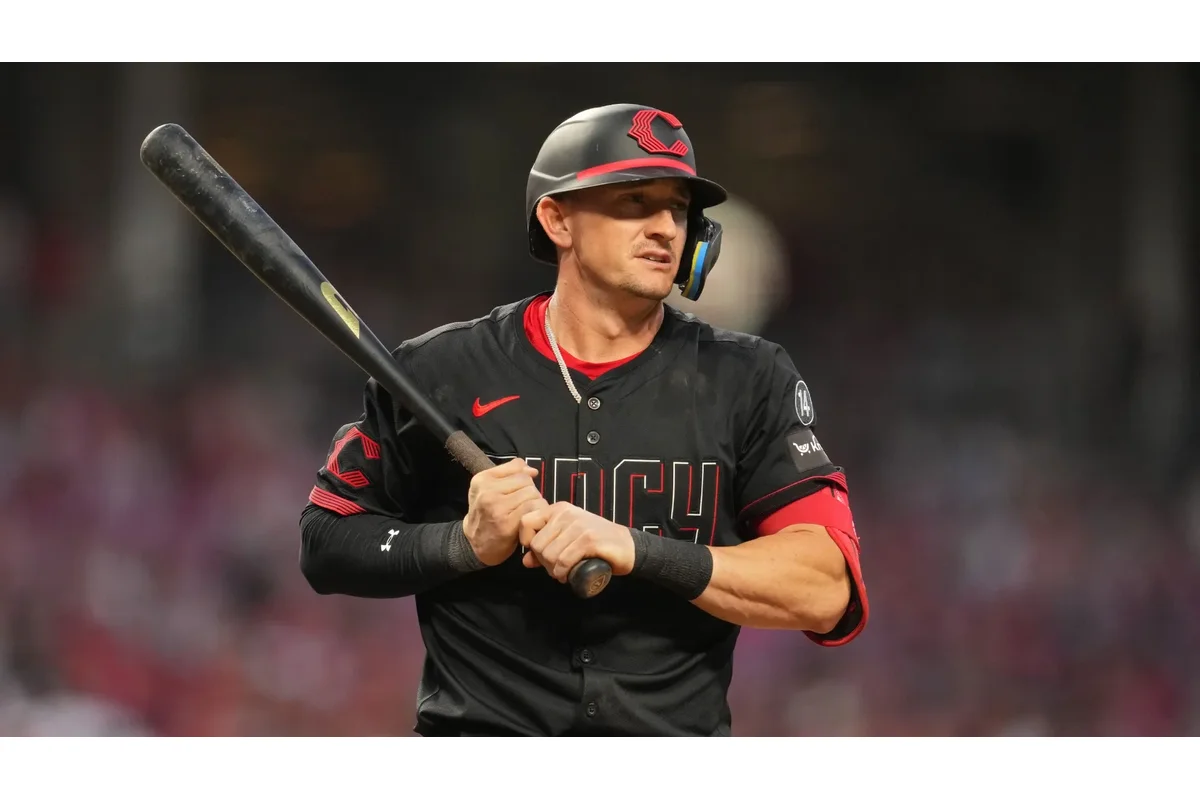
Throughout the offseason, Hays attracted interest from multiple teams, including Cincinnati, Texas, Detroit, St. Louis, San Diego, and both Chicago and the Cubs. The New York Mets and Yankees also showed early interest but later altered their outfield compositions with other moves, reducing available opportunities. By the time Chicago entered the conversation decisively, the outfield free-agent market had thinned considerably.
Most teams saw Hays as a platoon option due to his standout performance against left-handed pitching, which limited his attractiveness as an everyday player. However, Chicago’s evolving roster situation presented a different opportunity. Following the trade of Luis Robert Jr., the White Sox had clearer paths to meaningful playing time on the corners, which positioned Hays as more than a specialist.
The team’s measured patience during the offseason allowed them to capitalize on timing, adding a versatile, veteran outfielder who complements the roster without forcing significant structural changes. Hays’ signing therefore represents a tactical fit amidst a narrower pool of options rather than a complete solution to the outfield puzzle.
Evaluating Hays’ Performance and Playing Style
Austin Hays entered free agency after the Cincinnati Reds declined his $12 million mutual option for the 2026 season, opting instead for a $1 million buyout. Last season, he earned a one-year, $5 million deal with Cincinnati and posted solid numbers over 103 games, hitting .266 with a .315 on-base percentage and .453 slugging, including 15 home runs and 64 RBIs. His weighted runs created plus (wRC+) stood at 105, reflecting above-average offensive production when healthy.
Injuries, primarily to his lower body, interrupted his season, but his consistent contact quality and expected power metrics showed improvement compared to the previous year. Hays demonstrated a 10.4% barrel rate, and his expected slugging percentage and weighted on-base average both rose in 2024. Notably, 13 of his home runs came against right-handed pitching, highlighting greater balance than a pure platoon player.
Defensively, Hays offers a significant upgrade in arm strength on the corner outfield, ranking in the 88th percentile across MLB. This attribute is particularly valuable to a White Sox team that has struggled to maintain consistent outfield defense. His defensive skill set provides a needed complement to managing Andrew Benintendi’s playing time and improving overall corner stability.
Moreover, Hays is not entirely new to the White Sox organization’s staff. He spent several seasons playing in Baltimore while current White Sox hitting director Ryan Fuller was part of the Orioles’ system, including during Hays’ All-Star season in 2023. Over the last two seasons, Hays has proven a steadier offensive presence compared to Luis Robert Jr., posting a 102 OPS+ versus Robert’s 85, with fewer significant slumps. This familiarity and track record enhance confidence in the signing.
At the agreed price and contract length, Hays fits well within Chicago’s budget parameters and short-term roster outlook. He provides reliable corner outfield production without impeding the development timeline of prospects such as Braden Montgomery who may contribute later in the season.
Implications for the White Sox Outfield Dynamics
With Austin Hays joining the fold, Chicago’s corner outfield composition gains much-needed consistency and versatility. He allows the team to better manage Andrew Benintendi’s Achilles concerns by increasing Benintendi’s opportunities to serve as a designated hitter, reducing the strain from regular defensive duties.
Additionally, Hays’ presence clarifies the role of Brooks Baldwin, who is expected to transition from a daily right field position to a more defined utility role off the bench. This will help balance playing time and roster flexibility without entirely removing Baldwin from offensive contributions.
Despite securing Hays, the broader outfield picture remains a work in progress. The White Sox continue to evaluate internal candidates and potential contributors in a fluid situation. Jarred Kelenic, a former top prospect signed to a non-roster deal, has the potential to compete for playing time if adjustments to his mechanics yield consistent results.
The competition in the outfield also includes Derek Hill, who offers defensive reliability as a shuttle player between the majors and Triple-A Charlotte, as well as newcomers such as Dustin Harris, Everson Pereira, and Tristan Peters. Pereira, who is out of minor league options, brings multi-positional flexibility and appears slated for a role beyond depth, while Harris and Peters add additional left-handed depth in the group.
Looking ahead, the White Sox foresee Braden Montgomery as a midseason contributor once his development permits, and Benintendi’s role remains adaptable based on health and team needs. Overall, Hays brings important stability but by no means finalizes the roster configuration.
Assessing the Timing and Impact of This Signing
The White Sox accepted that their offseason would involve deliberate moves rather than early aggressive spending. After observing promising growth from the core lineup in the latter half of last season, Chicago recognized areas that required bolstering, particularly for consistency in run production and power output.
During the stretch following the All-Star break, the White Sox ranked in the middle of the league in home runs and runs scored, with a wRC+ of 102, marking a stabilization of the offense. Still, maintaining this level throughout the season remained a challenge, emphasizing the importance of reliable role players.
Austin Hays addresses one of those pressure points by offering dependable right-handed power with a proven ability to perform against left-handed pitching, adding balance to a group heavily reliant on internal development. Rather than depending solely on younger talents to fill all gaps, the White Sox have integrated Hays to bring experience and consistency at a contested position.
This signing also contrasts with the previous winter when Austin Slater was a target for similar roles; this year, the White Sox landed a more established and complete hitter at a more reasonable cost, reflecting the team’s evolution in offseason strategy and roster-building philosophy.
As February nears and spring training approaches, momentum within the organization has shifted toward purposeful additions. Alongside Hays, the White Sox completed deals to strengthen the pitching staff, including acquiring Seranthony Domínguez, Jordan Hicks, and David Sandlin, and trading for Luisangel Acuña while managing payroll and roster spot reallocations following the Luis Robert Jr. trade.
The team remains open to further opportunities, potentially pursuing a dependable innings-eating pitcher or an additional corner outfielder, possibly someone like Michael Conforto or a familiar veteran such as Mike Tauchman. Simultaneously, internal prospects like Tanner McDougal and Montgomery still have chances to impact roster decisions.
The 2025 White Sox roster will likely retain flexibility early in the season, with the fifth rotation spot and final outfield role still up for contention. Managerial strategies might include swingmen and openers in pitching or stopgap outfielders until younger players are ready, underscoring the club’s strategic, adjustable approach as the campaign begins.
While Austin Hays may not represent the ultimate solution for Chicago’s outfield struggles, his signing signals a more promising outlook than last year’s uncertain spring and embodies the organization’s efforts to blend experience, cost-effectiveness, and roster adaptability heading into the new season.
