
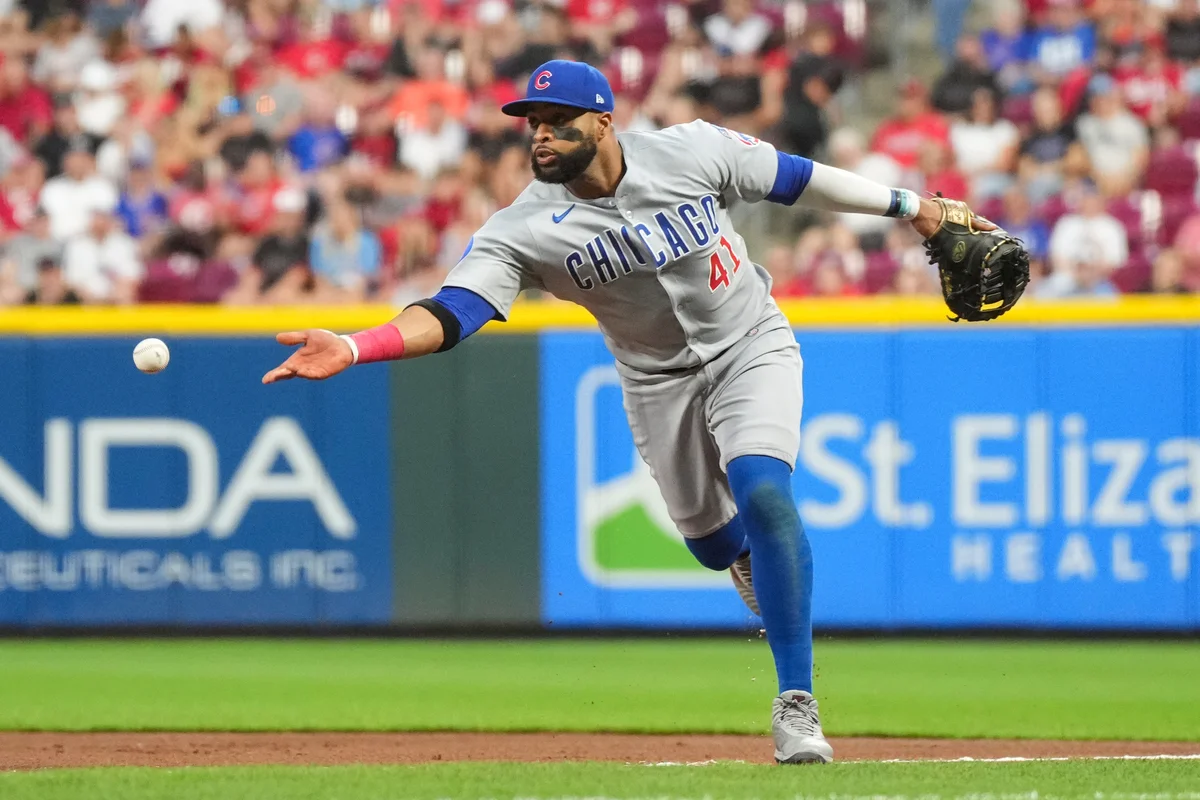
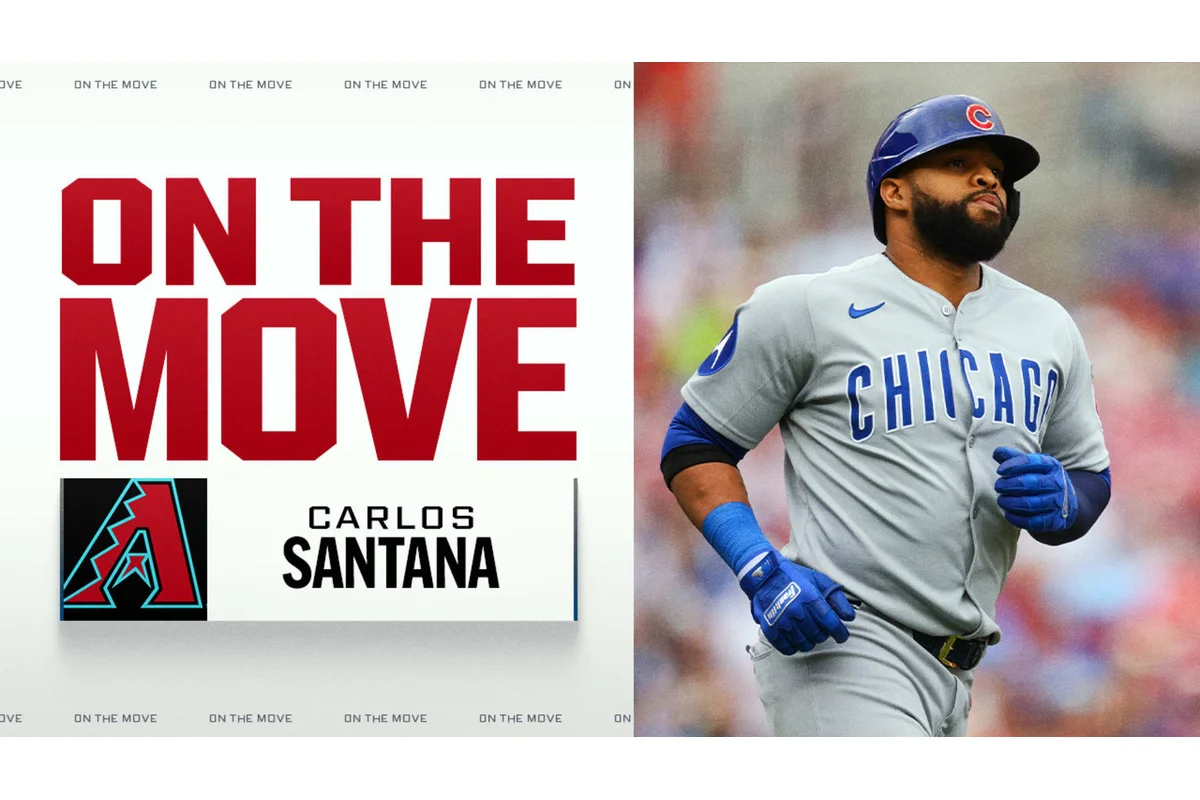
Carlos Santana has agreed to a one-year contract with the Arizona Diamondbacks for the 2026 season, marking his 17th year in Major League Baseball. After playing the majority of his career in Cleveland and switching teams frequently in recent years, Santana will bring his veteran presence to the Diamondbacks as he approaches his 40th birthday shortly after the season begins. This deal aligns with Arizona’s clear strategy to maintain a more conservative payroll.
Arizona’s Budget-Conscious Approach and Santana’s Role
The Diamondbacks, guided by owner Ken Kendrick’s announcement last September, have committed to lowering spending levels. Kendrick stated,
“We will not be spending at the same level.”
The team’s projected payroll for 2026 stands at $173 million, down from $188 million in 2025. Santana fits this approach perfectly, signing for $2 million as a low-cost option. Though Santana initially turned down an Arizona offer last year in favor of a return to Cleveland, the Diamondbacks maintained interest in the switch-hitter, hoping he could regain form and provide value.
Projected Playing Time and Platoon Possibilities
According to current roster projections, Santana is expected to serve largely as the everyday first baseman, with left-handed hitter Pavin Smith and catcher James McCann rotating in the designated hitter role. McCann will also back up Gabriel Moreno behind the plate. However, the Diamondbacks’ roster remains somewhat fluid, with utility infielder Ildemaro Vargas invited as a non-roster participant. Santana is likely to share first base time with Smith, given Santana’s history as a right-handed batter capable of complementing a left-handed bat lineup. Throughout his career, Santana has demonstrated better numbers hitting from the right side, sporting a 125 wRC+ as a righty compared to 109 as a lefty—a gap that has widened in recent years.
Santana’s Career Performance and Recent Struggles
Earlier in his career, Santana was a highly productive hitter, maintaining a 123 wRC+ over his first 10 seasons and falling below 115 only twice in that stretch. In recent years, however, his offensive output has hovered near league average, with a combined wRC+ of 99 from 2020 through 2024. In 2025, back with Cleveland for the first time in five seasons, Santana started strong with a 121 wRC+ through early June. The Guardians’ $12 million investment appeared wise, but after June 1, his batting average dropped drastically to .184, with a wRC+ of just 47. This sharp decline led to his release in late August, after which the Chicago Cubs used him sparingly in a platoon role against left-handed pitching for eight games.
An Unexplained Decline and Statistical Details
The downturn Santana experienced last summer remains puzzling. There have been no reports suggesting injury, and the 39-year-old has not been placed on the injured list since 2022. Analyzing his performance reveals increased chase rates and strikeouts, decreases in bat speed and exit velocity, and a lower hard-hit percentage by 5.6 points. Although his swing mechanics remained consistent, he produced a greater proportion of fly balls and line drives. Unfortunately, many of these air balls were directed toward center and left field, areas less favorable for offensive production. Early June analysis documented Santana’s ability to pull the ball in the air, a skill that notably disappeared during the season’s second half, with results worsening thereafter.
Projections and Defensive Value Despite Offense Concerns
Projections for 2026 are skeptical about Santana’s ability to rebound offensively, considering his significant decline and advancing age. His offensive metrics in 2025, including a .288 expected weighted on-base average (xwOBA) and a Defensive Runs Created+ (DRC+) rating of 98, registered the lowest levels of his entire career, indicating the drop was not luck-based but reflective of actual decline. Defensively, however, Santana remains exceptional at first base. He ranks second in Defensive Runs Saved (DRS) and first in First-Base Runs Value (FRV) over the past two seasons. While first base defense offers relatively limited impact, Santana’s skills there provide meaningful value and offset some offensive concerns.
Unanswered Questions About Santana’s Future Performance
The sudden nature of Santana’s late 2025 slump defies typical patterns of age-related decline, which usually progresses more gradually. Midseason, his ability to contact the ball and maintain plate discipline remained solid, which makes his rapid drop-off perplexing. With solid walk rates and contact percentages, the question lingers whether Santana can recover his form, especially batting from the right side. Given his defensive strength and previous rebounding from poor seasons—such as his 2021 campaign with the Royals that improved the following year—there remains cautious optimism that Santana could return to a league-average hitter in 2026.
Implications for the Diamondbacks’ Playoff Ambitions
For Arizona, Santana represents a manageable risk on a modest contract as the team attempts to field a competitive roster without overspending. While Santana’s performance might leave a gap in lineup potency, his defensive excellence and veteran experience could contribute positively. The acquiring of Santana fits a broader team philosophy focused on cost control and strategic roster construction, reflecting an effort to balance budget constraints with on-field competitiveness. How Santana performs in his 40th year will likely influence the Diamondbacks’ approach to first base and plans heading into future seasons.
