
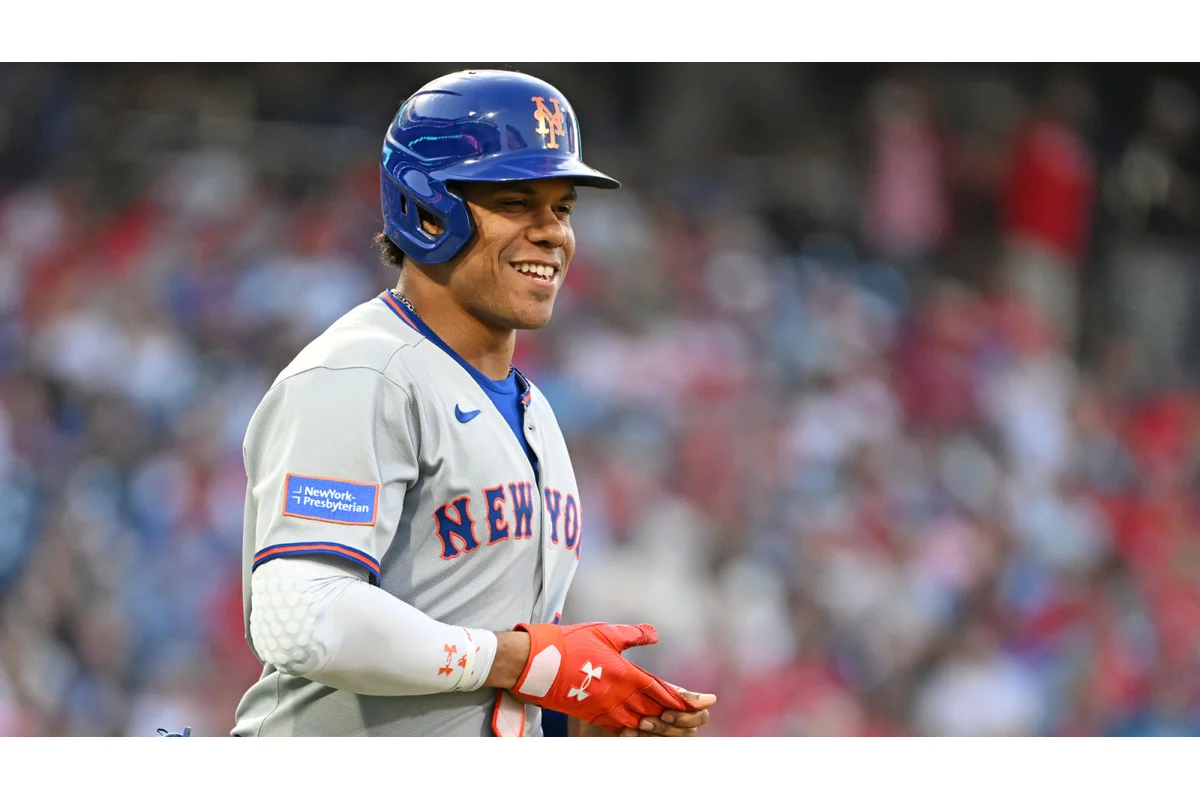
The New York Mets have officially decided to move Juan Soto from right field to left field starting with the 2026 season, as announced by team president David Stearns at the Port St. Lucie training facility on Tuesday. This shift aims to adjust the defensive alignment, with several players being considered as replacements for Soto’s previous position in right field.
Potential Replacements for Right Field Revealed
Alongside this announcement, Stearns identified multiple candidates who could fill the right field spot vacated by Soto. These include third baseman Brett Baty, rookie outfielder Carson Benge, veteran Tyrone Taylor, and the newly acquired MJ Melendez. The Mets are evaluating these options as part of their efforts to strengthen their outfield defense and balance the lineup.
“Carson Benge, Brett Baty, Tyrone Taylor, MJ Melendez were all mentioned as potential options to start in right field by David Stearns. https://t.co/oNDp9aLe30”
— Max Goodman, Sportswriter
Juan Soto’s Recent Performance and Defensive Challenges
Soto, now entering the second season of his record-breaking 15-year contract with the Mets, delivered an impressive offensive campaign in 2025. He posted a .263 batting average along with a career-high 43 home runs and 120 runs batted in, led the National League with 38 stolen bases, and topped Major League Baseball in walks for the fourth time. Despite his offensive prowess, his defensive metrics have raised concerns.
In 2025, Soto registered a -7 Defensive Runs Saved (DRS) and a -13 fielding runs value. Although his defense in right field has been below average with a career DRS of -5, his numbers in left field have historically been worse, posting a career DRS of -14 and an overall -19 across all outfield positions. The Mets’ decision hinges partly on a limited but positive indicator from last season, when Soto recorded a +1 DRS in 52 innings played in left field.

Context Behind the Position Change
The logic behind this move might also connect to concerns surrounding star shortstop Francisco Lindor’s health. Stearns revealed that Lindor is dealing with a stress reaction in his hamate bone, which could necessitate surgery and potentially sideline him for six weeks, placing his availability for Opening Day in question. This situation has influenced the Mets’ defensive restructuring and roster flexibility.
Defensive Reorganization Across the Infield and Outfield
In addition to Soto’s shift, several other positional changes are planned:
- Bo Bichette, a recent Mets signing and former Blue Jays shortstop, is expected to move from third base to shortstop if Lindor’s surgery proceeds.
- Brett Baty may transition to right field if Carson Benge does not secure a spot on the Opening Day roster.
- Jorge Polanco is anticipated to take over third base duties.
- Mark Vientos will move from the designated hitter role to first base.
These adjustments highlight the Mets’ efforts to optimize defensive strengths while managing uncertainties at key positions.
Implications for the Mets’ 2026 Roster and Strategy
The Mets’ evolving roster reflects a blend of strategic foresight and adaptation to unforeseen health issues. Manager Carlos Mendoza faces the challenge of finalizing the defensive alignment as spring training approaches. With Soto’s offensive value undeniable, the team appears willing to accept potential defensive shortcomings in left field, banking on his bat to significantly contribute to the lineup.
The 2026 season also brings fresh excitement with additions like Freddy Peralta, a former Brewers ace expected to lead the pitching staff, and Devin Williams aiming to reclaim his status as a top closer. These elements position the Mets as a competitive force in the upcoming campaign.
Looking Ahead: Preparing for Spring Training and Beyond
The Mets will open spring training against the Miami Marlins at Clover Park on February 21. This preparation period will be crucial for assessing the new defensive arrangements and player readiness. While the repositioning of Juan Soto may raise questions among fans and analysts, his offensive consistency remains a significant asset for the team’s ambitions.
As the season unfolds, observers will watch closely to see if Soto adapts successfully to left field or if further adjustments to the lineup and defensive roles become necessary. The Mets’ ability to navigate these changes could play a major role in their pursuit of postseason success in 2026.
Carson Benge, Brett Baty, Tyrone Taylor, MJ Melendez were all mentioned as potential options to start in right field by David Stearns. https://t.co/oNDp9aLe30
— Max Goodman (@MaxTGoodman) February 10, 2026
Stearns said Francisco Lindor is being examined tomorrow for a stress reaction in left hamate bone. Might need surgery. Six week recovery if that is needed and might be ready for Opening Day
— Joel Sherman (@Joelsherman1) February 10, 2026
