
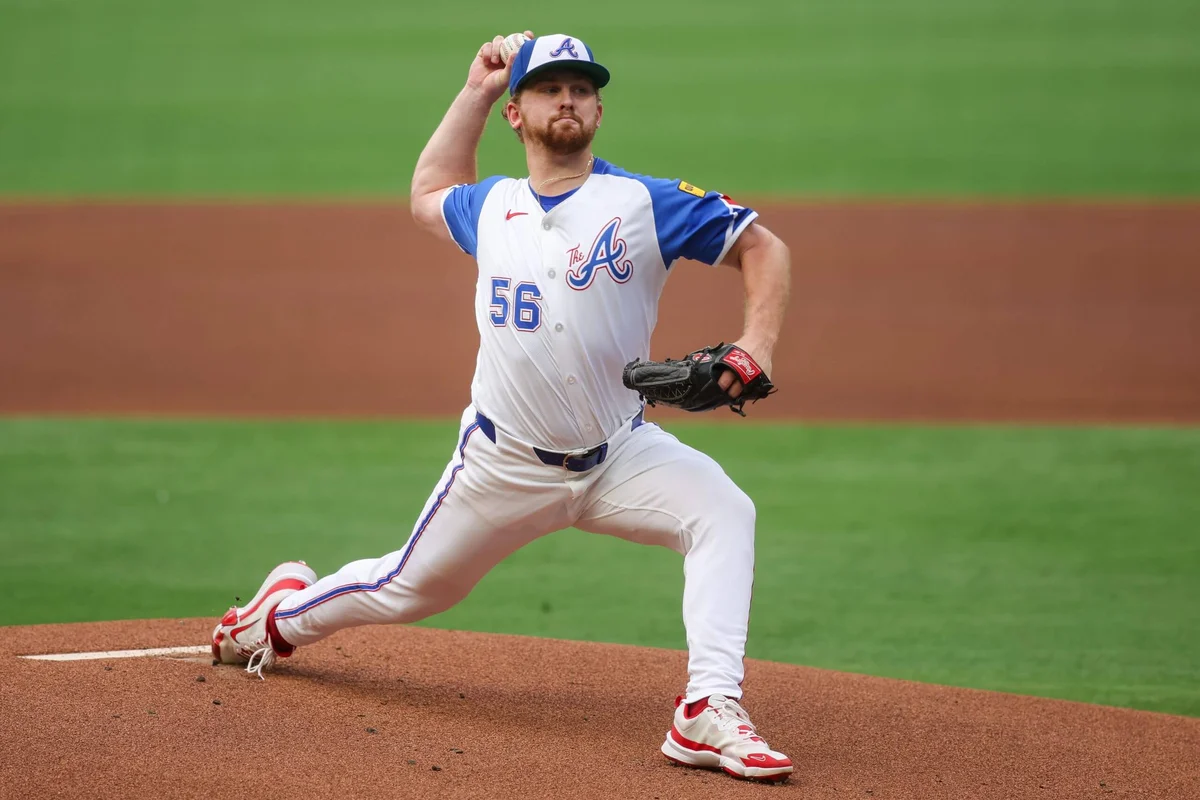
The Atlanta Braves entered the 2026 Spring Training with hopes of maintaining their pitching depth, but on February 10th, the team announced that right-hander Spencer Schwellenbach will start the season on the 60-day injured list due to right elbow inflammation. This Spencer Schwellenbach injury update comes as a significant setback for a pitcher expected to play a major role in the rotation after a promising yet injury-shortened 2025 season.
Tests have ruled out damage to Schwellenbach’s ulnar collateral ligament (UCL), but missing at least two months leaves the Braves facing urgent questions about their pitching staff’s stability as they prepare for the first half of the season without one of their most promising stars.
Immediate Challenges in Filling Schwellenbach’s Spot
The Braves must now decide who will replace Schwellenbach in the starting rotation for the early part of the 2026 campaign. Manager Walt Weiss has confirmed that while the rotation’s front end remains anchored by reliable arms like Chris Sale and Spencer Strider, the remaining slots are still up for grabs. Hurston Waldrep, initially projected as the fourth starter behind Schwellenbach, is likely to move up to the third spot, opening up two more positions for contention.
Experienced pitchers like Bryce Elder and Grant Holmes are front-runners to secure these openings. Elder offers a seasoned option familiar with full-season workloads, providing a stable presence in the rotation. Holmes has shown dependability and could either fill a starting role or serve as a long-relief arm. Meanwhile, Reynaldo Lopez, who the Braves intended to assign to the bullpen, might remain in the rotation due to this unexpected vacancy if no additional rotation signees are acquired before the season begins.
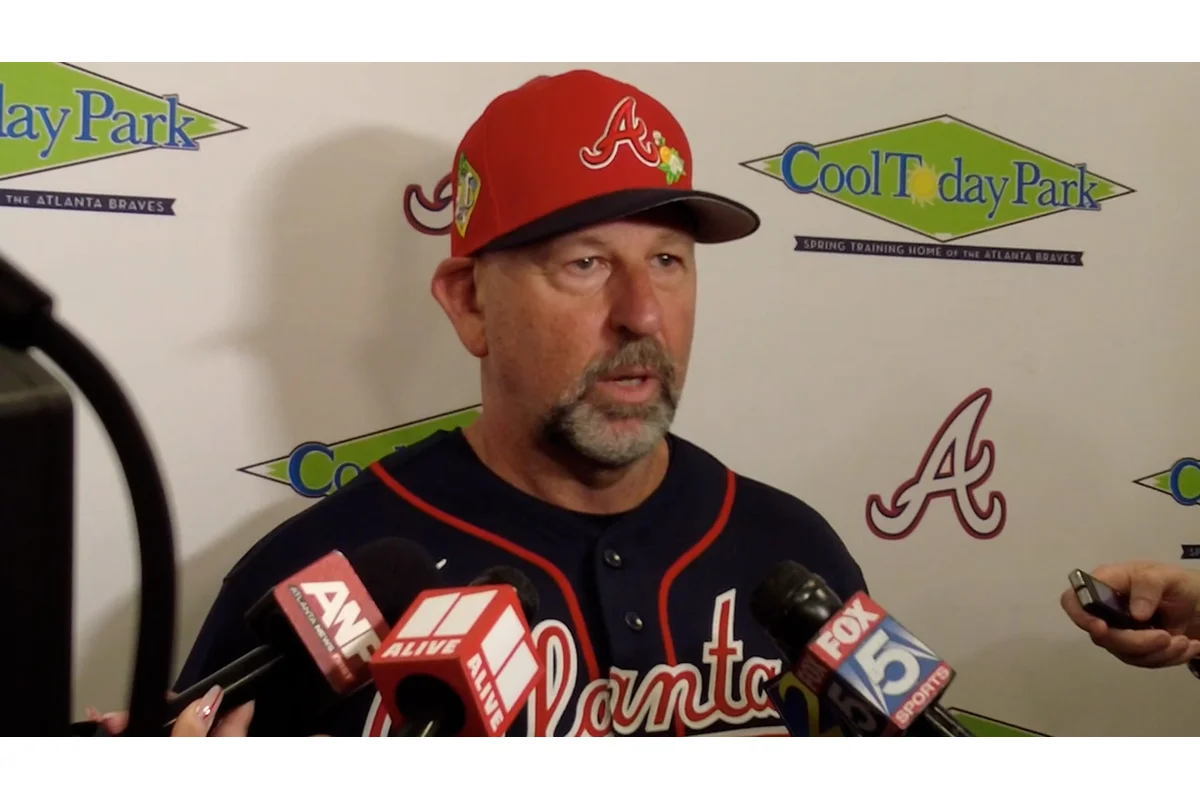
These openings have intensified competition among candidates, as the Braves cannot afford a sluggish start to the season while waiting for Schwellenbach’s return or any midseason reinforcements.
Reinstating the ‘Next Man Up’ Approach in the Rotation
The Braves have a history of handling pitching injuries by promoting the ‘next man up’ from within their ranks or sourcing less heralded acquisitions to maintain competitiveness. Following a year in which injuries hit the staff hard, this latest setback with Schwellenbach renews concerns about the team’s durability.
General Manager Alex Anthopoulos may now face pressure to look beyond internal options and pursue external additions. Atlanta has been linked to free-agent pitchers such as Lucas Giolito and Chris Bassitt, indicating the organization’s willingness to secure veteran arms to cover rotational gaps rather than relying solely on younger, less proven talents during the period Schwellenbach and potentially others are sidelined.
Long-Term Outlook for Schwellenbach’s Health and Role
Designating Schwellenbach to the 60-day injured list signals more than just a two-month absence; it highlights a troubling pattern of elbow issues for the 25-year-old right-hander. After missing the final three months of last season due to a fractured elbow, this new inflammation—caused reportedly by bone spurs—raises legitimate concerns about his ability to maintain consistent health going forward.
The Braves will closely monitor his rehabilitation, which begins with a four-week period of rest and no throwing. While the hope remains that Schwellenbach will regain full strength and return to the mound later this season, there is a real possibility that he may not pitch again in 2026. His recurring arm troubles make this an important storyline that could influence how the Braves manage his workload and structure their pitching rotation in future years.
Implications for the Braves’ 2026 Season and Beyond
This development is a significant blow for a team many expected to rebound strongly in 2026. Both the Braves organization and their fans are familiar with the challenges that pitching injuries bring, but losing Schwellenbach early adds to an already uncertain outlook. However, this situation also opens the door for other pitchers to prove themselves as the team navigates a difficult start to the season.
Atlanta’s ability to withstand this early loss and manage the rotation effectively over the next few months will be critical to their overall success. The team’s pitching depth, long touted by management, will be put to a stern test as they attempt to maintain competitiveness until Schwellenbach and possibly other injured players can return.
