
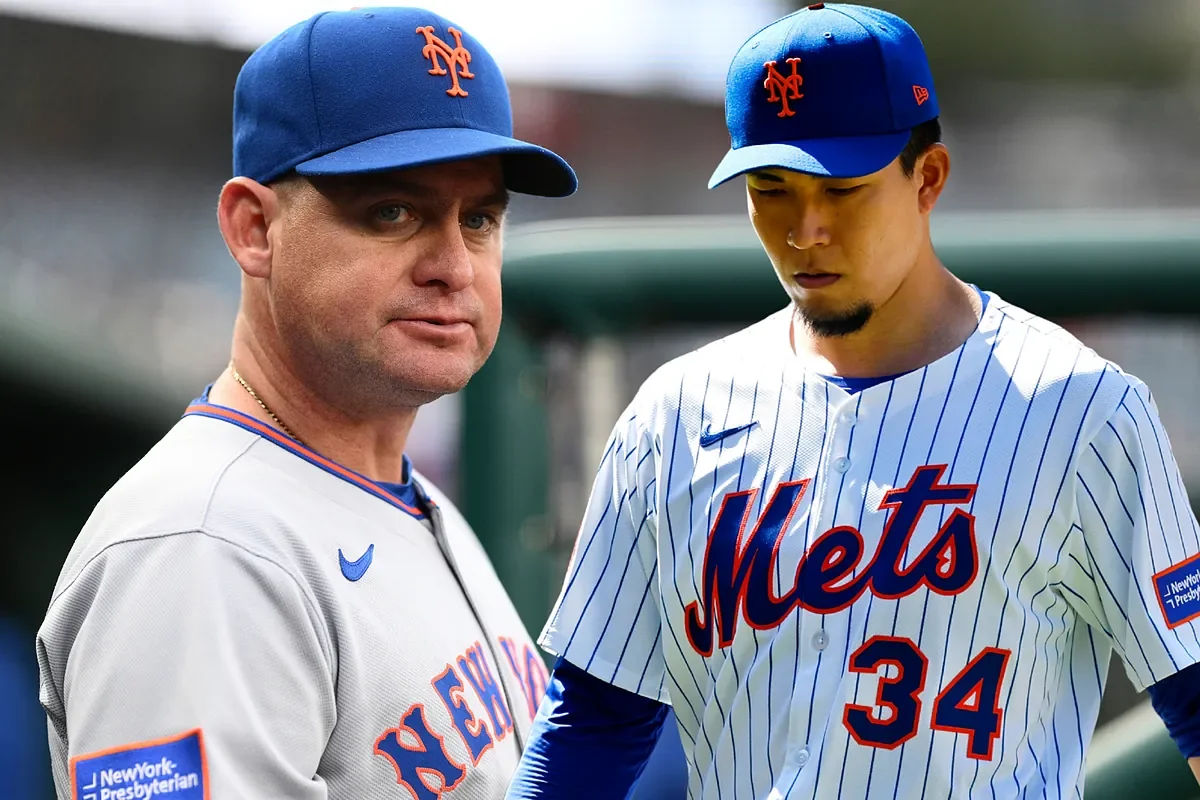
Kodai Senga, the New York Mets‘ 32-year-old right-hander, entered the 2026 spring training with one clear objective: to avoid injury. After enduring setbacks that limited him to only 5.1 innings in the 2024 regular season and hampered his performance during the team’s National League Championship Series postseason run, Senga faces a critical season to restore his status. A strained hamstring last summer, sustained while covering first base and attempting to catch an errant throw from Pete Alonso, sidelined him for about a month. Following his return, mechanical issues forced a demotion to Triple-A in September, where he spent the remainder of the year.
Mental Toll and Challenges Over the Past Two Seasons
These past two years have been frustrating and tough mentally,
Senga revealed through his translator.
At some points, maybe I started to lose confidence. In this world, it’s either you do it, or you don’t, and I’m here to do it, and that’s all there is.
The struggle to overcome physical injuries was matched by the mental strain of prolonged setbacks. The injury plagued seasons have put Senga’s future as a reliable starter in question within the Mets’ baseball operations. David Stearns, the team’s president of baseball operations, has openly expressed doubts about trusting Senga to pitch 30-plus starts moving forward.

Trade Rumors and Senga’s Commitment to the Mets
Despite frequent trade speculation involving Senga, none of those rumors came to fruition. The Mets were reported to be exploring trades, even as the pitcher himself has expressed a strong desire to remain with the team in Queens. This offseason presents him with a fresh chance to reaffirm his value as a frontline starting pitcher within the Mets’ rotation.
At the end of the day, I can only control what I can control,
Senga said.
At that point, I hadn’t gotten traded yet, so I just wanted to do whatever I could in that moment and be back out there for the Mets and play hard.
Senga’s Potential and Pitching Arsenal When Healthy
When fully fit, Senga’s talent is widely acknowledged as exceptional. His signature “ghost forkball” stands out as one of the most effective finishing pitches in Major League Baseball, and opposing batters have yet to find a consistent solution against it. His debut season with the Mets in 2023 showcased his potential vividly, as he recorded a 12-7 win-loss record, a 2.98 ERA, and amassed 202 strikeouts across 166.1 innings.
If Senga can reclaim that form, the Mets’ leading rotation, alongside newcomers Freddy Peralta and Nolan McLean, could pose one of the strongest challenges in the league. This resurgence would provide the Mets with significant depth and reliability starting from the mound.
Senga’s Determination to Secure His Role in the Rotation
I have a spot to get and be out there and perform,
Senga stated.
As long as I’m given this opportunity, I’m going to give it my all and give it my all for this organization.
His readiness to seize this chance illustrates Senga’s determination to overcome past injuries and doubts, reaffirming his commitment to the Mets. This upcoming season is pivotal for both the pitcher and the team as they look to capitalize on his established skill set and potential for future success.
Prospects for the Mets Rotation and What Lies Ahead
Kodai Senga’s ability to maintain health and regain his dominant form will be essential for the Mets’ aspirations this season. With David Stearns overseeing baseball operations remaining cautious yet hopeful, Senga’s performance will influence the club’s strategy moving forward. The blend of his experience, formidable pitch arsenal, and competitive mindset provides the Mets with a valuable asset if he can sustain consistency.
As spring training progresses, all eyes will be on Senga to see if he can stay injury-free and demonstrate that he belongs as a key contributor in one of baseball’s most competitive rotations. His journey reflects not only the high stakes of professional baseball but also the resilience required to battle back from adversity in pursuit of excellence.
