
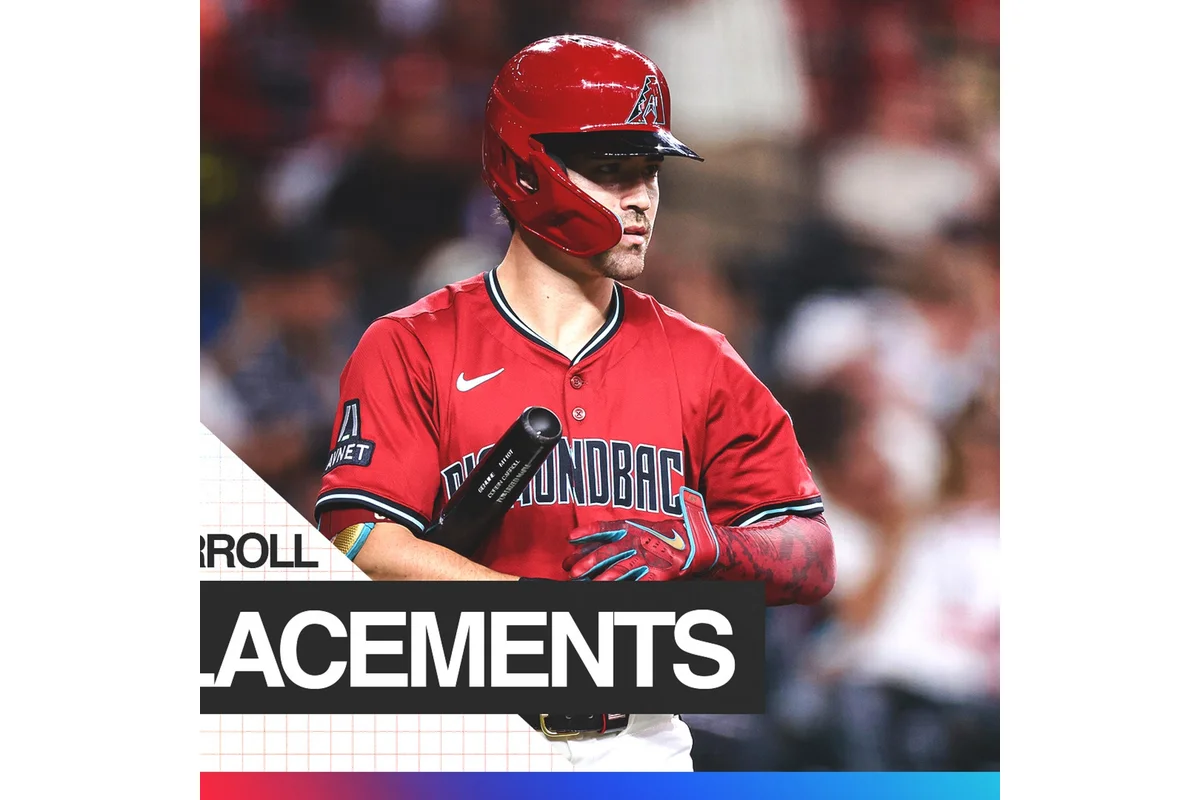
CLEVELAND, Ohio — As Major League Baseball’s spring training unfolds across Arizona and Florida, an alarming surge of hamate bone injuries has emerged, sidelining notable players such as Corbin Carroll, Francisco Lindor, and Jackson Holiday. These players are among several stars facing this uncommon yet increasingly frequent wrist injury, threatening their availability for the start of the 2026 season and beyond.
This growing issue centers on a small, hook-shaped portion of the wrist’s hamate bone that fractures due to repetitive impact from the bat knob during swings, necessitating surgery and a six-to-eight-week recovery. For some teams, including the Cleveland Guardians, the injury’s recurrence over decades adds a daunting historical weight to the current epidemic.
Historical Overview of Hamate Bone Injuries in Baseball
The hamate injury has a longstanding presence in baseball history, often likened to the recent spike in oblique injuries. Paul Hoynes, a Guardians beat reporter for cleveland.com, recalled during a recent podcast how this injury has repeatedly affected hitters since the 1980s, noting players such as Brook Jacoby and Julio Franco who missed significant time because of it.
“It’s like the oblique injury of a few years ago. There was a rash of oblique injuries. But this goes all the way back to when I started covering baseball in 1983. I remember Brook Jacoby had it, missed part of the season. Julio Franco had it. Guys, down through the years, this is a common injury with hitters,”
Hoynes explained.
The hamate bone injury typically occurs when the knob at the end of the bat repetitively presses against the bone during thousands of swings, leading to a fracture that requires surgical removal of the broken portion. This removal generally prevents re-injury to the same bone.

Joe Noga, co-host of the Cleveland Baseball Talk Podcast, stressed the repeated impact of this injury on Cleveland’s players over the years:
“Cleveland has had its share, like you mentioned … Brook Jacoby, Julio Franco … but even Jim Thome and José Ramírez. These are guys who have missed chunks of seasons because they’ve had to have the surgery to repair it,”
he noted.
The Injury Mechanism and Recovery Challenges
The fracture happens in the hamate’s hook—a small hook-like projection on one side of the wrist—due to continuous force when the bat knob presses into it repeatedly. The standard treatment involves surgery to excise the broken hook fragment, with a typical return-to-play timeline of six to eight weeks, which can severely disrupt a player’s preparation and early-season performance.
Despite its rarity in public discourse due to the bone’s small size, the injury causes major issues because it hampers the fundamental hitting ability of players, rendering their hands painful or weak until recovery is complete.
One notable aspect is the near-elimination of recurrence after surgery. Noga emphasized:
“Once you injure it and have the surgery, it’s not like you’re going to be able to break that same bone again. They just remove it and they remove the fragments.”
Possible Causes Behind the Recent Spike in Injuries
Experts speculate whether new hitting techniques, aimed at maximizing power via altered swing mechanics, may be increasing stress on the wrist and contributing to this rise in hamate fractures. MLB Network analyst Harold Reynolds theorized hitters are now taught to swing and hold or abruptly stop their swing to generate leverage and power, possibly increasing trauma to the wrist.
Hoynes reflected on this notion, highlighting the longevity of hamate injuries but acknowledging the possibility of recent changes affecting injury frequency:
“They’re teaching hitters to swing and then stop your swing, kind of a check swing sort of thing to develop power. But this (injury) has been going on for a long time,”
he said.
Impact on Players and Teams, Including the USA World Baseball Classic
For players like Lindor and Carroll, the injury threatens their readiness for opening day and beyond, with Carroll’s situation notably affecting Team USA’s roster plans for the World Baseball Classic. His likely absence forces Team USA to consider late-stage replacements, complicating their lineup strength and overall speed on the bases.
Despite setbacks, many players manage impressive returns post-surgery. José Ramírez’s 2019 comeback is a prime example where he hit a grand slam and a three-run homer in just his first two plate appearances after recovery.
The injury underscores the physical toll professional baseball places on athletes, where small bones such as the hamate can lead to significant disruptions. This ongoing topic drew substantial attention on the Cleveland Baseball Talk Podcast, providing rich historical and medical insight for fans curious about this unusual but impactful recurring injury.
In-Depth Discussion of Hamate Injury and Related Baseball Topics on Podcast
On the Cleveland Baseball Talk Podcast, Joe Noga and Paul Hoynes shared detailed observations, highlighting the prevalence of hamate injuries among current stars and reminiscing about past instances involving Guardians players. They examined the injury’s mechanics, recovery prospects, and implications for spring training and regular-season participation.
Joe Noga opened the discussion by pointing to the recent wave of hamate injuries affecting notable players:
“Some big names, Corbin Carroll, Francisco Lindor, and even Jackson Holiday.”
He noted Carroll’s injury will require a roster substitution for Team USA in the World Baseball Classic.
Hoynes recalled how the injury has persisted through decades of baseball:
“I remember Brook Jacoby had it, missed part of the season. Julio Franco and others… this is a common injury with hitters.”
Regarding recovery, they agreed the hamate fracture requires surgery and a recovery window that complicates players’ readiness for Opening Day. Hoynes expressed skepticism about players returning fully prepared immediately after recovery, considering the demanding skill set and timing required early in the season.
Historical Guardians Players Affected by Hamate Injuries
Discussion covered past Guardians stars who endured hamate injuries, including Jim Thome and José Ramírez. The injury has repeatedly sidelined key lineup contributors, presenting ongoing challenges for team planning. The injury’s repetition among hitters regardless of handedness was noted as a consequence of intense repetitive stress rather than a simple mechanical cause.
Hoynes remarked:
“I think it’s just a grind of the game. It doesn’t matter if you’re right or left-handed.”
The podcast also highlighted cases like George Valera, who required multiple surgeries, illustrating that though rare, complications can prolong and intensify recovery efforts.
Performance After Recovery and Player Outlooks
One of the hopeful aspects of hamate injury recovery is the ability of players to return without ongoing pain and with restored function. Ramírez’s remarkable 2019 cameo, featuring significant offensive output shortly after surgery, was cited as an encouraging precedent.
However, the lost development and preparation time resulting from the injury remain undeniable obstacles. All parties express cautious optimism about Lindor and Carroll’s potential to complete recovery and regain form early in the season, which remains critical for the teams and fans excited to see these stars return.
Consequences for Team USA in the World Baseball Classic
Carroll’s injury notably affects Team USA’s depth and strategy, forcing the coaching staff led by Mark DeRosa to seek late replacements. With Carroll’s unique speed and skill on the bases, his absence deals a blow to the team’s dynamic play style.
Noga noted alternatives, mentioning possible replacement candidates like Jackson Merrill, but acknowledged the challenge of integrating new players so close to the tournament start.
Additional MLB Injury Updates and Roster Moves Discussed on Podcast
Beyond the hamate bone issue, the podcast also covered other injury developments, including Toronto Blue Jays pitcher Shane Bieber’s ongoing struggles with forearm tightness, likely delaying his 2026 season start. Bieber, who impressed in the World Series run, remains a key figure for his team’s pitching depth but is taking a cautious path to full health following earlier elbow surgery.
Another familiar name, Aaron Civale, was noted for signing a one-year deal with the Oakland Athletics, marking continued transitions within MLB pitching staffs. Civale’s journey through multiple teams underscores the fluid nature of pitching rotations in modern baseball.
Roster and Trade Rumors Impacting Guardians and Other Clubs
The podcast touched on potential trade discussions involving players like Nick Castellanos, who reportedly lacks a locker at Phillies’ spring training and is expected to be moved before the season. The Guardians’ interest in adding veteran offensive power was speculated upon, alongside possible moves for Houston Astros infielders Isaac Paredes or Christian Walker, both right-handed hitters with power that could complement Cleveland’s lineup.
Hoynes discussed the practicalities of such moves in terms of salary and prospect cost, noting Cleveland’s payroll flexibility but also its commitment to showcasing young talent.
Team Outlooks and Upcoming Season Predictions
Regarding the American League East, the conversation covered the Baltimore Orioles’ roster improvements, including their signing of veteran pitcher Chris Bassett, potentially elevating the team’s status behind the New York Yankees. Panelists offered varied projections but generally expected a competitive division with changing dynamics shaped by offseason acquisitions and injury developments.
They agreed that strength—and health—of pitching staffs would likely be a decisive factor in multiple teams’ hopes for postseason success.
Implications of Hamate Injuries for MLB’s Future and Player Health Awareness
The current spate of hamate bone injuries highlights ongoing physical risks faced by baseball players, emphasizing that even small anatomical structures can impair performance and alter team strategies. The injury serves as a vivid reminder of the wear endured by hitters’ hands after repetitive high-velocity swings, a fundamental yet brutal aspect of the game.
Medical teams, coaches, and players are increasingly vigilant about early detection and comprehensive treatment to minimize time lost and long-term impacts.
For fans and analysts alike, understanding this injury deepens appreciation for player resilience and the intricacies woven into even minor components of athletic performance.
Maintaining Fan Engagement Through Expert Analysis and Insight
The Cleveland Baseball Talk Podcast continues to provide fans with expert perspectives, historical background, and informed commentary beyond basic box-score statistics, illuminating complex topics such as hamate bone injuries and broader roster developments. Its ongoing dialogue with callers and listeners enriches the baseball community’s understanding of behind-the-scenes challenges players and teams face.
Listeners can expect continued coverage as spring training progresses and the 2026 season unfolds, with updates on player recoveries, roster decisions, and competitive outlooks.
