
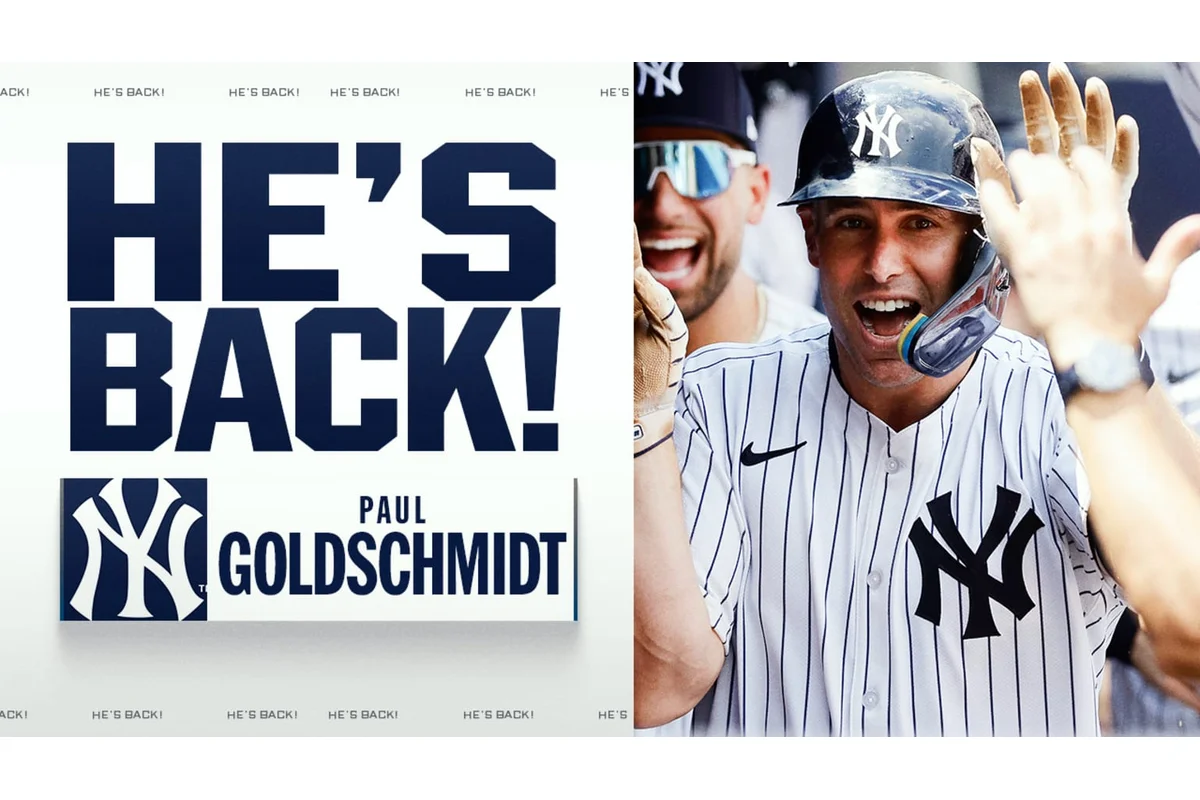
The New York Yankees have secured Paul Goldschmidt for a second season with a one-year contract worth $4 million, marking a substantial reduction from his previous $12.5 million salary. This agreement reflects Goldschmidt’s adjusted role within the team as the Yankees aim to maintain roster depth and flexibility for the 2026 campaign.
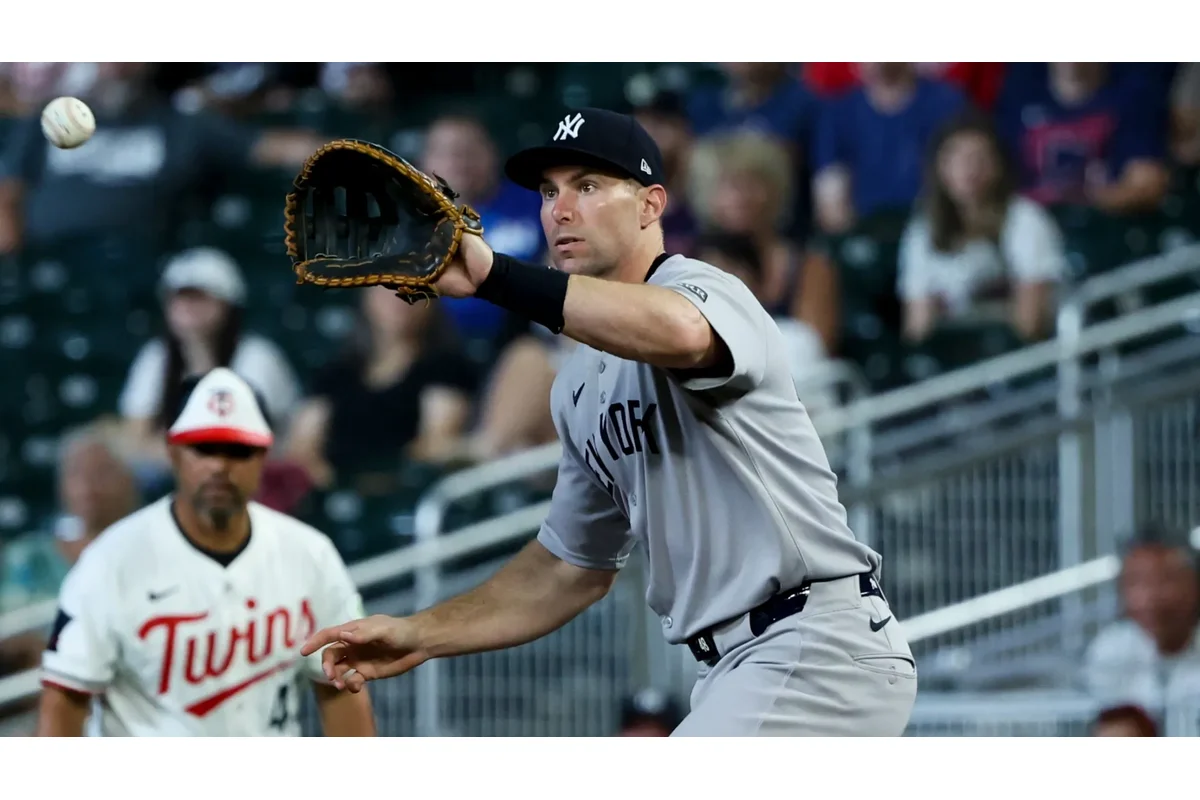
Goldschmidt, 38, rejoins a largely familiar roster following last year’s division series appearance, addressing the team’s need for right-handed depth and providing coverage at first base and designated hitter positions. To accommodate his addition, the Yankees placed pitcher Clarke Schmidt on the 60-day injured list as he recovers from Tommy John surgery, sidelining him for most or all of the upcoming season.
Expectations Shift: Goldschmidt’s New Role on the Team
The seven-time All-Star’s involvement with the Yankees will notably differ from last season. Instead of being the everyday first baseman, Goldschmidt is expected to platoon with left-handed hitter Ben Rice, mainly facing left-handed pitchers. Rice’s breakout 2025 performance, featuring 26 home runs and strong offensive numbers, significantly outpaced Goldschmidt’s production.
Goldschmidt’s 2025 season displayed a stark contrast between a strong start and a challenging finish. Early in the year, he hit an impressive .338/.394/.495 with six home runs, but his batting declined sharply over the last four months, resulting in a .226/.277/.333 line. His struggles against right-handed pitching, where he hit just .247/.289/.329, contrasted with his effectiveness against lefties at a .336/.411/.570 slash, making him well-suited for a platoon role.
Contract Reflects Financial Strategy Amid Luxury Tax Constraints
The structure of Goldschmidt’s contract mirrors both his diminished role and the Yankees’ efforts to manage luxury tax penalties. While the base salary is $4 million, performance bonuses tied to plate appearances could elevate the total to $6 million. The Yankees face a 110% luxury tax surcharge as repeat offenders, increasing their overall expense to about $8.4 million if all incentives are met.
Despite receiving more lucrative proposals from other teams such as the San Diego Padres, Goldschmidt chose to remain with New York, demonstrating his appreciation for the team culture and relationships with the coaching staff formed during his first season.
Maintaining Right-Handed Balance and Bench Strength
General Manager Brian Cashman has emphasized the importance of adding right-handed hitters to a lineup dominated by lefties. Goldschmidt, alongside utility infielder Amed Rosario, will serve as the primary right-handed bench players. José Caballero could also fill this role if Anthony Volpe returns to shortstop after recovering from shoulder surgery.
This signing likely reduces the chances of prospect Jasson Domínguez making the Opening Day roster, as bench spots are limited. Domínguez may start the year in Triple-A unless circumstances shift during spring training. Goldschmidt also offers valuable insurance if designated hitter Giancarlo Stanton suffers any injuries, providing versatility and veteran leadership to guide younger teammates.
Veteran Experience Bolsters a Championship Pursuit
At 38 years old, Goldschmidt is aware that he is nearing the end of an extraordinary career that could eventually lead to the Hall of Fame; his 63.8 career Wins Above Replacement ranks 16th all-time among first basemen. He recently earned his third selection to the World Baseball Classic representing Team USA.
The Yankees’ decision to bring Goldschmidt back aligns with their strategy of retaining continuity after making the division series last season. With 24 of 26 players returning from the playoff roster, maintaining team chemistry remains a high priority as New York chases its first World Series title since 2009. Although Goldschmidt will not assume a full-time role, his experience and ability to perform under pressure could prove crucial during the postseason.
Overall, the Paul Goldschmidt Yankees deal delivers a cost-effective way to preserve veteran depth, balance the lineup’s handedness, and sustain strong clubhouse leadership, positioning the Yankees well for another competitive season.
