
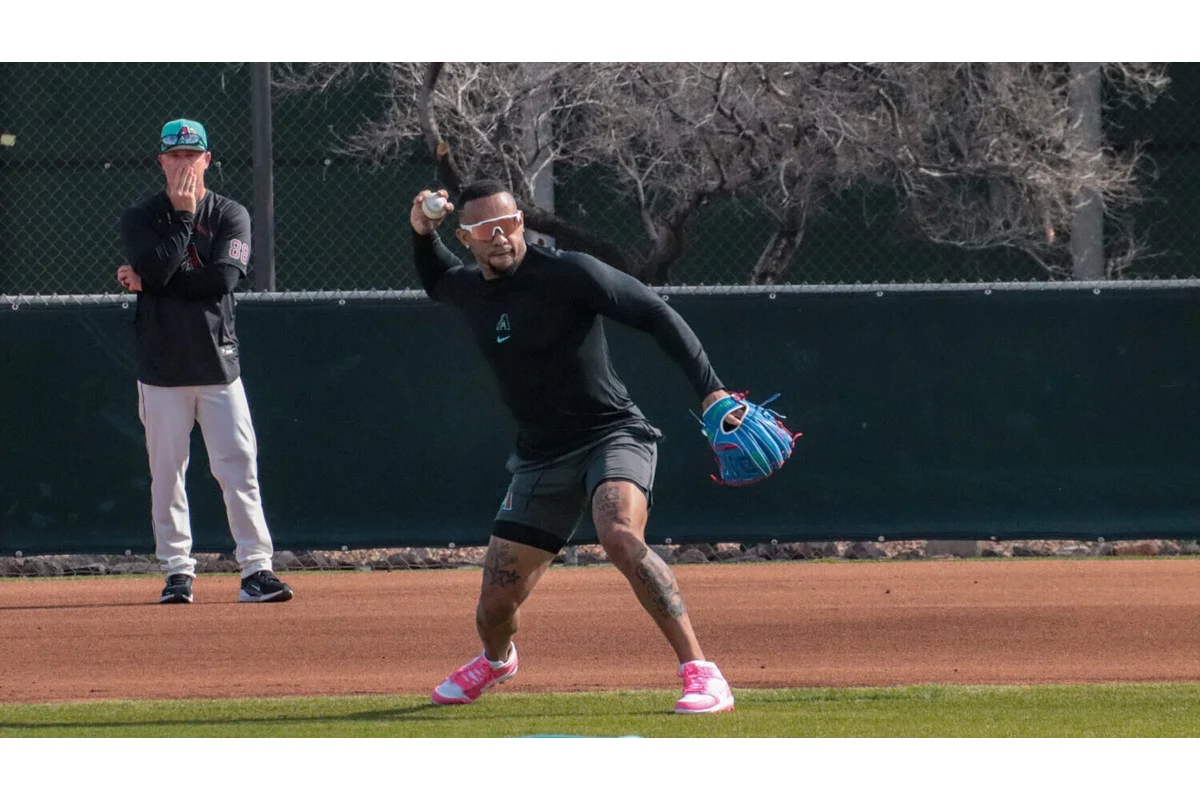
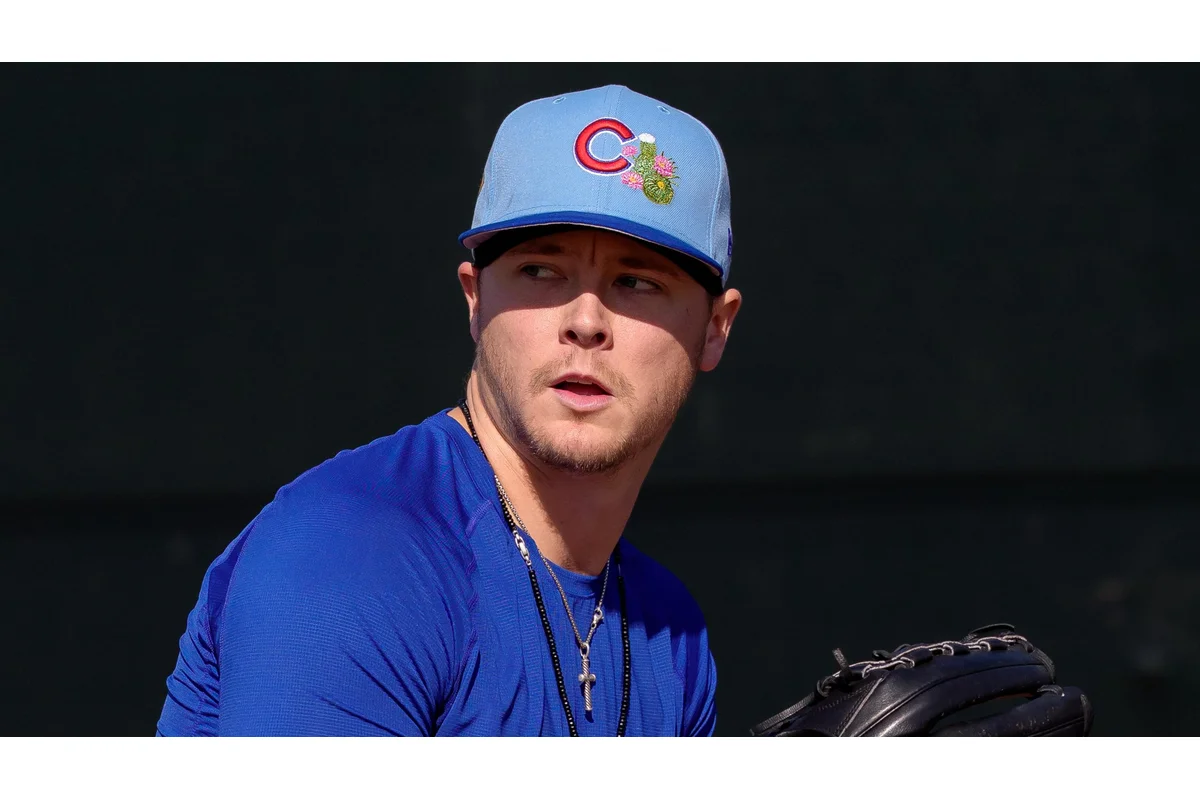
The Chicago Cubs are reportedly finalizing a multi-year major league contract with free agent reliever Shelby Miller, marking another long-term commitment to bullpen depth. However, Miller is expected to miss the entire 2026 season as he undergoes Tommy John surgery, with the Cubs planning to support his rehabilitation and aim for contributions in 2027 and beyond.
Shelby Miller Agrees to Multi-Year Contract with the Cubs Amid Recovery
Shelby Miller, 35, has been a highly effective relief pitcher in recent seasons, registering a 1.98 ERA over 37 appearances with the Arizona Diamondbacks last year. Unfortunately, after being traded midseason to the Milwaukee Brewers, he suffered a torn ulnar collateral ligament (UCL), necessitating Tommy John surgery and sidelining him for the foreseeable future.
The Cubs’ contract with Miller underscores a strategic, long-term investment in a veteran pitcher whose recovery will span the entire 2026 campaign. Though a late-season return could be remotely possible, the organization is primarily focused on his full rehabilitation and hopes to integrate him back into their bullpen in 2027, when Miller will be in his mid-30s.
This is not the Cubs’ first engagement with Miller; the team signed him to a minor league deal in 2021. At that time, he briefly appeared in the majors before injuries derailed his season, leading to a designation for assignment and eventual release. Since then, Miller’s career has seen a resurgence, highlighted by impressive performances across several clubs:
- 2023 with Los Angeles Dodgers: 42 innings pitched, 1.71 ERA, 25.8% strikeout rate
- 2024 with Detroit Tigers: 55.2 innings, 4.53 ERA, 21.8% strikeout rate
- 2025 with Arizona Diamondbacks: 36.1 innings, 1.98 ERA, 28% strikeout rate
- 2025 with Milwaukee Brewers: 9.2 innings, 5.59 ERA, 32.6% strikeout rate before injury
Despite his age and current injury status, the Cubs evidently value Miller’s skill set highly enough to offer him a major league contract spanning multiple years. His ability to generate swings and misses combined with prior success in relief roles has impressed Chicago’s front office, who have maintained interest in him for some time.
Miller’s Career Journey and Connection to the Cubs Franchise
Miller’s path to this deal with Chicago is marked by several intriguing ties to the Cubs organization. Originally drafted by the St. Louis Cardinals in the first round of the 2009 MLB Draft, Miller made his big league debut with the Cardinals in 2012 and was a finalist for the National League Rookie of the Year award the following season.
Notably, the Cardinals traded Miller to the Atlanta Braves as part of the package for Jason Heyward, who later became a Cubs outfielder. Subsequently, the Braves dealt Miller to the Diamondbacks in exchange for Dansby Swanson, a shortstop who also went on to play for the Cubs. Rumors circulated at one point about the Cubs potentially acquiring Miller in exchange for Javy Baez, though that trade never materialized.
Given this history, Miller’s return to the Cubs feels like a full-circle moment. His familiarity with the organization and its pitching development system likely influenced his decision to accept the contract, and the Cubs’ willingness to allocate significant resources to him indicates a strong belief in his potential value after recovery.
The Cubs’ Long-Term Strategy Behind Signing Miller
The Cubs have demonstrated a growing belief in their pitching infrastructure and have made several reclamation signings to bolster their rotation and bullpen depth. Miller fits this pattern as a seasoned reliever whom the team expects to develop into a dependable contributor once fully healthy.
With promising arms like Kyle Wright and Vince Velasquez joining the mix as starting pitcher depth reclamation projects, Miller’s signing adds to the Cubs’ multifaceted approach to pitching talent acquisition and rehabilitation. The front office appears to be betting on its coaching and medical staff to maximize Miller’s effectiveness post-surgery.
It also shows the Cubs’ confidence in the longer-term benefits of locking in a proven veteran reliever, rather than focusing solely on short-term fixes. This willingness to invest in a 35-year-old returning from major surgery speaks to their plans for sustained competitiveness and bullpen stability in the coming seasons.
Looking Ahead: What Miller’s Signing Means for the Cubs’ Future
While Miller will almost certainly be unavailable for the 2026 season, his signing offers the Cubs optimism for enhancing their bullpen with a talented, experienced arm starting in 2027. The team’s medical and coaching staff are tasked with guiding Miller through his rehabilitation to restore his pitching mechanics and velocity, key factors in determining the success of his return.
This move also illustrates how the Cubs’ front office is balancing immediate roster considerations with patient, strategic planning aimed at improving their pitching depth over multiple seasons. Given Miller’s past performance and the Cubs’ confidence in their development resources, this contract could become a significant component of the team’s pitching staff in the near future.
Ultimately, Shelby Miller’s multi-year commitment with the Cubs encapsulates the franchise’s willingness to embrace calculated risk and invest in long-term bullpen potential, even when faced with the uncertainties of a demanding injury recovery. Fans and analysts alike will be watching closely as Miller embarks on his rehabilitation journey with Chicago, hoping to see him contribute vital innings on the North Side in the seasons to come.
