
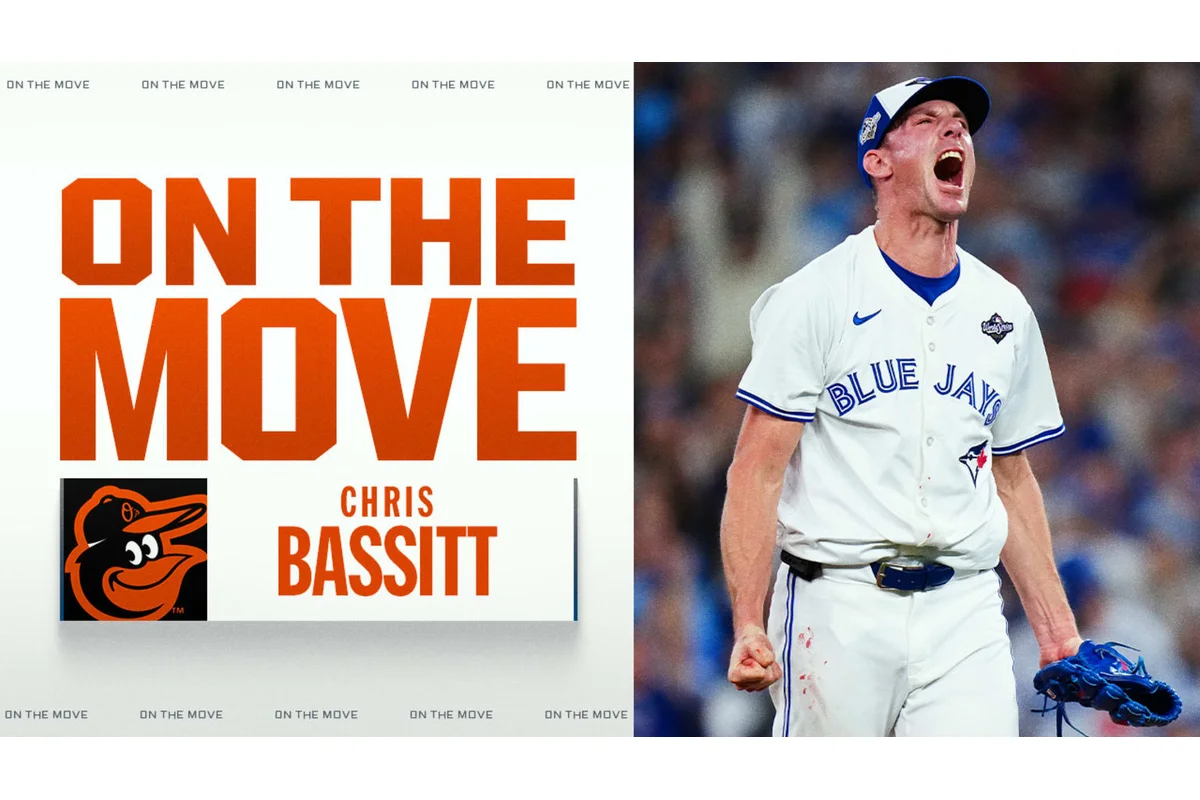
After a tough loss in the recent World Series, the Toronto Blue Jays committed to a drastic $270 million offseason investment aimed at compensating for the departure of veteran pitcher Chris Bassitt. The team’s new setup heavily depends on right-hander Dylan Cease and third baseman Kazuma Okamoto to address key gaps, while aiming to maintain their competitive edge in the 2026 MLB season. The challenge remains to replace the impact left by Bassitt’s exit and Bo Bichette’s departure, making this an intense test for Toronto’s front office.
High Stakes on Dylan Cease’s Performance
Dylan Cease arrived in Toronto with a seven-year, $210 million contract, positioning him as a potential ace alongside Kevin Gausman. Despite his talent, concerns linger following an inconsistent track record. Cease’s 2025 season with the San Diego Padres ended with an 8-12 record and a 4.55 ERA over 168 innings pitched, raising doubts about his reliability compared to Bassitt’s 3.96 ERA over a similar number of innings with the Baltimore Orioles last year.
Expert analysis highlights both Cease’s strengths and uncertainties. ESPN’s David Schoenfield commented on the high cost of the contract:
“First, while Cease is talented and durable and wouldn’t surprise anyone if he contended for a Cy Young Award, he’s also a player with an ERA over 4.50 in two of the past three seasons. A $210 million contract is a huge payout for an inconsistent pitcher who isn’t a guaranteed upgrade over Bassitt,”
Schoenfield noted.
Despite this, Cease’s strikeout rate ranked sixth highest in the league at 29.8%, and he maintains a strong fastball velocity in the 90s. At 30 years old, analysts believe there is potential for improvement and more consistent results as he settles into his role with Toronto.
Kazuma Okamoto Faces Pressure to Match Bichette’s Impact
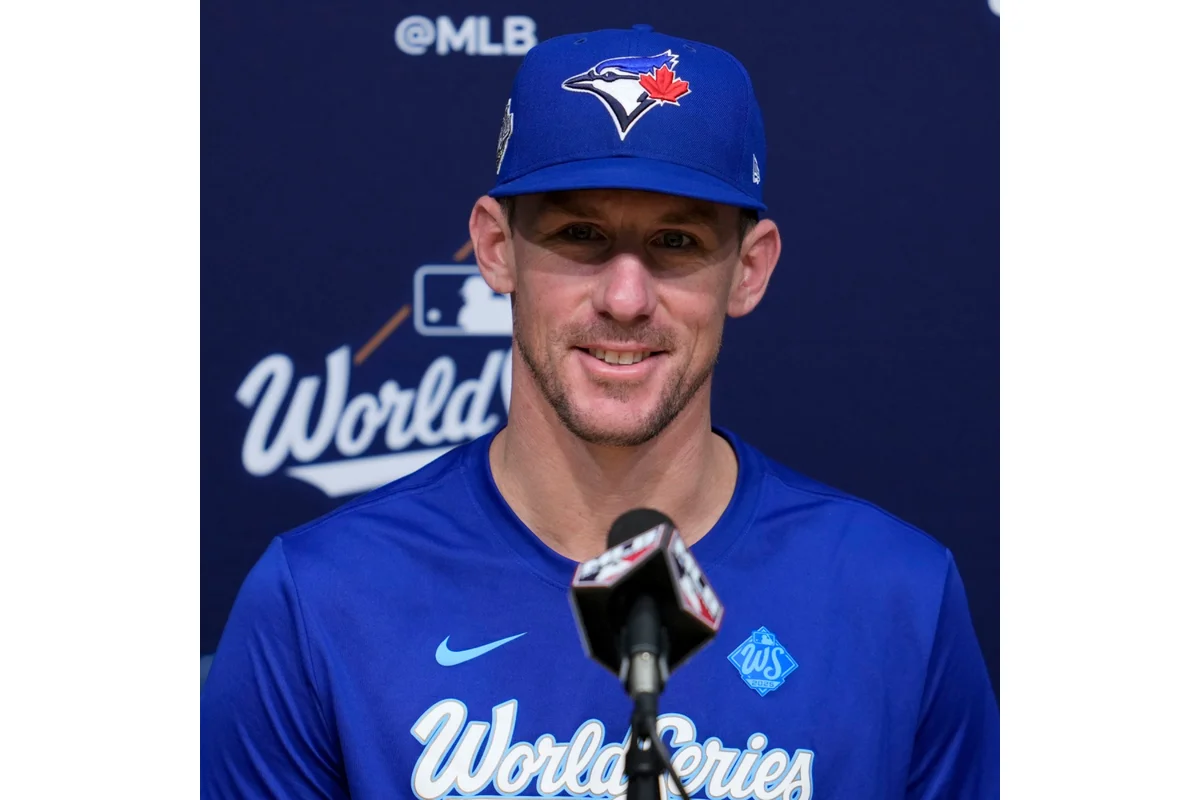
Kazuma Okamoto, acquired from Japan’s NPB on a four-year, $60 million contract, is tasked with filling the offensive void left by Bo Bichette, who signed with the New York Mets. Bichette had been a major offensive force, achieving a .311/.357/.483 slash line with 18 home runs in his final season with Toronto. Okamoto must quickly adjust to the faster pace and higher skill level of MLB pitching to live up to these expectations.
Regarding Okamoto’s potential, Schoenfield weighed in:
“I think Okamoto will hit and his offensive projections are close to Bichette’s, but we know Bichette can hit at a high level. Okamoto had a Bichette-like season in Japan last year, hitting .327 and improving his contact rate, but in previous years, he had hit for a lower average with more power.”
While Bichette’s ability is proven in the major leagues, Okamoto remains a gamble as he adapts to the demands of MLB, making Toronto’s bet on him a pivotal element of their season outlook.
Payroll Expansion Reflects Toronto’s Commitment and Risks
The Blue Jays increased their payroll by $29 million compared to the previous year, reflecting the organization’s willingness to invest heavily in key players. This approach underscores a confident but risky strategy designed to quickly recover from recent departures. However, only the ongoing progression of the season will reveal if their hefty expenditures translate into on-field success or if the loss of Bichette and Bassitt proves too significant to overcome.
Injury Setbacks Compound Uncertainty
In addition to roster turnover, Toronto is contending with several injury issues that further complicate their prospects. Notably, outfielder Anthony Santander, in his first season with the Blue Jays after signing a five-year, $92.5 million deal in 2025, has been sidelined due to a problematic left shoulder injury. Despite returning briefly during the postseason last year, he suffered a labral tear, necessitating surgery just before spring training in 2026. This setback has delayed his expected full recovery by several months.
Speaking through interpreter Hector Lebron at the Player Development Complex in Florida, Santander disclosed the difficulty in diagnosing his injury:
“They didn’t know why the MRI didn’t show the labral part, how bad it was. They couldn’t explain that, the doctors. Obviously, I needed the surgery.”
The severity of Santander’s situation has been acknowledged openly by those close to the team. Blue Jays’ representative Schneider reflected on the unexpected consequences:
“We didn’t think it was going to be this outcome. I don’t think anybody thought it was going to be this outcome. That’s the unfortunate part of it,”
he said regarding Santander’s injury challenges.
Santander’s unanticipated health issues underscore another precarious element of Toronto’s rebuilding plans heading into the new season.
Overall Outlook for the Blue Jays
With a blend of high-profile acquisitions and unforeseen obstacles, the Blue Jays enter the 2026 campaign facing considerable uncertainty. The ambitious financial commitments to players like Dylan Cease and Kazuma Okamoto highlight the franchise’s resolve to remain contenders after their recent World Series disappointment. Meanwhile, the loss of dependable contributors such as Chris Bassitt and Bo Bichette, paired with the lingering injury concerns around Santander and others, adds tension around whether the team’s roster transformations will yield the desired results.
Ultimately, the season ahead will serve as a crucial testing ground for Toronto’s strategy. Success could vindicate their gamble and position the Blue Jays as a championship threat once again. Conversely, struggles might suggest that replacing foundational players is a tougher challenge than anticipated, prolonging the franchise’s journey toward reclaiming elite status in Major League Baseball.
