

Although the New York Mets have only secured two World Series titles over their 63 seasons, they have showcased remarkable individual talent, particularly on the pitching mound. While the franchise lacks a history filled with dominant teams, identifying the best New York Mets players remains a compelling task, especially when comparing legends like Tom Seaver, Dwight Gooden, and Jacob deGrom. This ranking highlights the top 20 players who have left a lasting impact wearing the blue and orange.
1. Tom Seaver: The Ultimate Mets Pitching Legend
Tom Seaver stands among the all-time elite in Major League Baseball pitching history, widely regarded as the greatest player in Mets history. Spanning parts of 12 seasons from 1967 to 1977 and a return in 1983, Seaver collected three Cy Young Awards and led the National League in ERA three times. He was the driving force behind the Mets’ 1969 World Series triumph and played a key role in their 1973 pennant race. Seaver elevated the franchise’s status from its infancy, earning the nickname The Franchise, and his legacy is immortalized with a statue outside Citi Field.
2. David Wright: The Franchise’s Premier Position Player
David Wright embodies the best position player development the Mets have ever seen. Holding franchise records in Wins Above Replacement (bWAR), hits, total bases, and RBIs, Wright excelled throughout his 2004 to 2018 career. Despite battling injuries and challenging dimensions at Citi Field early in his tenure, he became a beloved captain and enduring symbol of the Mets. His No. 5 jersey was officially retired in 2025, confirming his status as the greatest position player in Mets history.
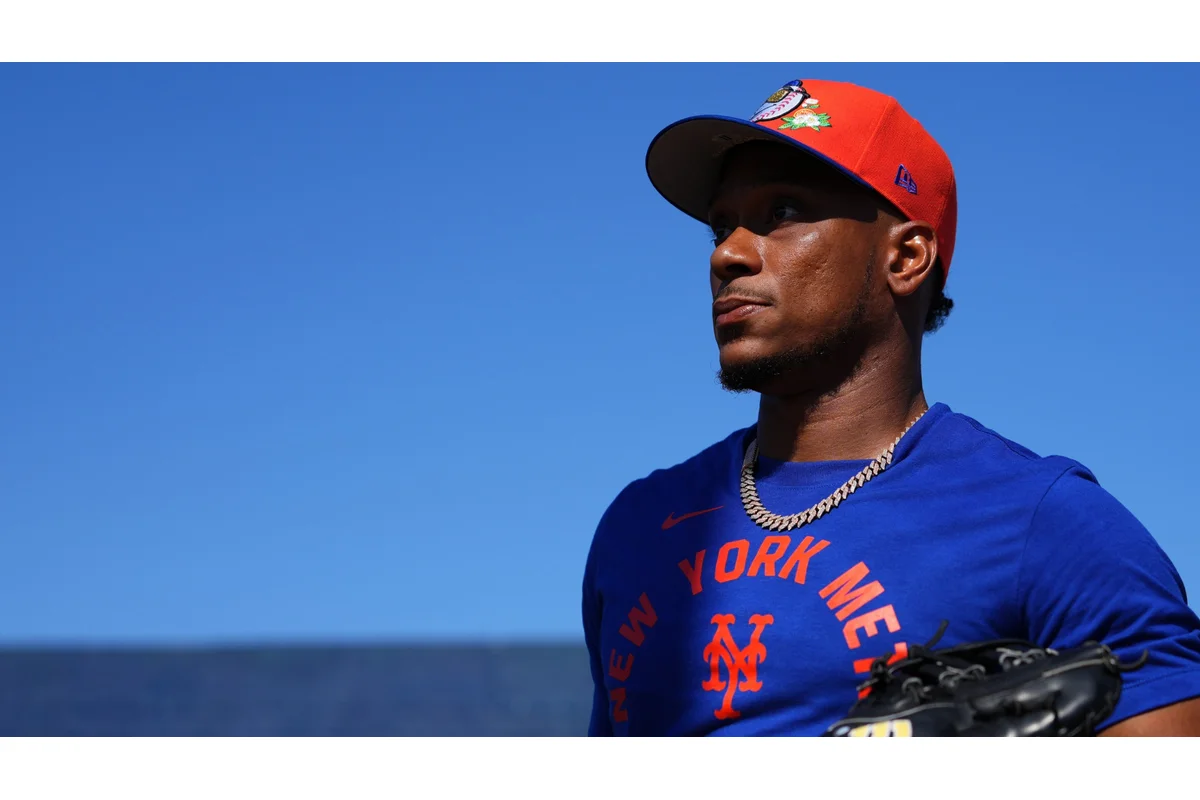
3. Jacob deGrom: A Late-Round Gem Turned Dominant Ace
Jacob deGrom’s rise to stardom began when the Mets called him up in 2014, having been a ninth-round draft pick out of Stetson University. Initially intended as a relief pitcher, deGrom quickly transitioned into a starter and won the NL Rookie of the Year that same year. He anchored the team’s rotation during their 2015 pennant run, later earning back-to-back Cy Young Awards in 2018 and 2019. His unparalleled 2021 season, marked by a 1.08 ERA in 15 starts, ranks among the most dominant pitching performances in MLB history. Although injuries later diminished his output, deGrom remains firmly in the conversation for the best Mets pitcher ever, with his No. 48 expected to be retired after his career concludes.
4. Dwight Gooden: Dr. K’s Electrifying Peak
Dwight Gooden burst onto the scene in the 1980s with unmatched velocity and control. Nicknamed Dr. K, he was runner-up for the NL Cy Young Award in 1984 before delivering one of the greatest pitching seasons ever in 1985 as a 20-year-old. Gooden played a crucial role in the Mets’ 1986 World Series title, showcasing elite talent during his peak. While off-field problems impacted his career longevity, his retired number and impact on Mets history remain undeniable.
5. Darryl Strawberry: Power and Presence in Queens
Darryl Strawberry’s eight seasons (1983–1990) with the Mets were marked by consistent All-Star performances, with seven appearances and an NL Rookie of the Year title in his debut season. He held the franchise record for home runs until 2025 and nearly captured an MVP in 1988. Strawberry was a cornerstone of the 1986 championship team, with his number retired despite a career affected by external difficulties.
6. Jerry Koosman: The Reliable Lefty Behind Seaver
Though often overshadowed by Tom Seaver, Jerry Koosman was a cornerstone of New York’s pitching staff from 1967 to 1978. Ranking second in innings pitched for the Mets, Koosman consistently delivered top-five performances across various pitching statistics. His clutch efforts in the 1969 World Series included two wins, highlighted by a complete game in the final match, contributing to the franchise’s first championship.
7. Carlos Beltran: Elite Two-Way Contributor
Signed as a high-profile free agent from 2005 to 2011, Carlos Beltran excelled as both a power hitter and an outstanding center fielder. Despite never securing a World Series title with New York, his production justified his hefty contract. Often criticized for a late-game misstep in the 2006 NLCS, Beltran’s offensive and defensive prowess cement his standing as one of the franchise’s greatest two-way players, reflected by his Mets cap inclusion in his 2026 Hall of Fame plaque.
8. Mike Piazza: The Best Offensive Catcher in Mets History
Acquired in 1998, Mike Piazza quickly became a fan favorite and one of the most productive offensive catchers baseball has ever seen. Leading the Mets to the playoffs in 1999 and the World Series in 2000, Piazza consistently rose to the occasion, especially during clutch moments like the first home game after 9/11. His Hall of Fame induction, featuring a Mets cap, affirms his place as a franchise icon.
9. Keith Hernandez: Veteran Leadership and Defensive Excellence
After being traded to the Mets in 1983, Keith Hernandez transformed the team with his strong bat, excellent defense, and leadership. A co-captain on the 1986 World Series team, his impressive all-around contributions earned him a retired jersey in New York. Though not yet in the Hall of Fame, Hernandez’s lasting legacy endures, bolstered by his long tenure as the Mets’ color commentator.
10. Pete Alonso: Record-Breaking Power Hitter
Pete Alonso emerged as a rare power-hitting talent for the Mets, setting the MLB rookie home run record with 53 in 2019. Over eight seasons, including 264 career homers—the most in franchise history—Alonso became known for his clutch hitting, particularly with his decisive blast in the 2024 NL Wild Card Series. After his 2025 season, Alonso signed with the Baltimore Orioles, but his impact on the Mets remains profound and memorable.
11. Francisco Lindor: Consistent Star at Shortstop
Though only with the team since 2021, Francisco Lindor’s consistent excellence ranks him among the Mets’ all-time greats. Four top-10 NL MVP finishes in five years showcase his elite productivity, supplemented by multiple 30-30 seasons and outstanding defensive skill. Already sixth in franchise position player bWAR, Lindor looks poised to climb higher on the Mets legacy list.
12. Edgardo Alfonzo: The Steady All-Around Contributor
While Mike Piazza stole the spotlight in the late 1990s, Edgardo Alfonzo served as a vital complementary player. Between 1997 and 2000, Alfonzo averaged a .305 batting average with 20 home runs and 88 RBIs annually. Despite injuries cutting his career short, he remains the franchise’s best second baseman and a highly underrated key member of the 2000 World Series squad.
13. Sid Fernandez: Consistent Left-Handed Pitcher and Clutch Performer
Sid Fernandez pitched for the Mets from 1984 to 1993, delivering a commendable performance with an ERA slightly above 3.00 over ten seasons. A two-time All-Star, Fernandez is especially remembered for his heroic 2.1 hitless innings out of the bullpen in Game 7 of the 1986 World Series, a pivotal effort that helped seal the championship.
14. Brandon Nimmo: The Charismatic On-Base Specialist
Drafted in 2011, Brandon Nimmo defied expectations by becoming an exceptional on-base threat and developing significant power over more than a decade with the Mets. His peak seasons included 25 home runs and 92 RBIs, boasting an on-base percentage as high as .404. Though never selected as an All-Star or reaching the World Series, Nimmo’s tenacity, consistency, and fan-friendly personality earned him affection from the Queens faithful.
15. Jon Matlack: The Dominant Third Starter of the 1970s
Often overlooked due to teammates Tom Seaver and Jerry Koosman, Jon Matlack was an outstanding No. 3 starter from 1971 to 1977. Winning the NL Rookie of the Year in his first full season, Matlack compiled a career ERA just over 3.00 and made three All-Star teams. He played a key role in the Mets’ 1973 postseason run, displaying remarkable endurance and dominance despite shorter rest periods.
16. Jose Reyes: The Electric Speedster and Leadoff Threat
Jose Reyes brought unmatched speed and excitement to the Mets lineup during his two stints (2003–2011, 2016–2018). Known for stealing as many as 78 bases in a season and leading the franchise in triples and stolen bases, Reyes combined power with speed, hitting up to 19 home runs and driving in 81 RBIs in his prime. He won a batting title and was a vital piece of the 2006 team that narrowly missed the World Series.
17. Al Leiter: The Clutch Veteran Southpaw
New Jersey native Al Leiter contributed seven strong seasons to the Mets, highlighted by his complete game shutout in the dramatic Game 163 of the 1999 regular season, pushing New York into the playoffs. Though a one-time All-Star, Leiter was renowned for stepping up in crucial moments, especially during the 2000 postseason run to the World Series.
18. Howard Johnson: A Unique Blend of Power and Speed
After joining the Mets in 1985, Howard Johnson quickly cemented his value with three 30-30 seasons and an MVP vote contender during his peak years. Johnson helped bring home the 1986 World Series and later contributed to the team as a coach, making him a multifaceted asset to the franchise’s success.
19. Gary Carter: Key Catcher of the World Series Champions
Though his Mets tenure lasted only five seasons (1985–1989), Gary Carter’s impact was enormous. A critical figure on the 1986 championship team, Carter posted top-10 NL MVP finishes in 1985 and 1986 while winning Silver Slugger awards in consecutive seasons. His offensive contributions and defensive presence made him one of the closest Mets players to securing an MVP award.
20. Cleon Jones: The Unsung Hero of the 1969 Title
Cleon Jones maintained a solid, if unspectacular, career spanning 12 seasons with New York, but his 1969 breakout season remains legendary. Hitting .340 and finishing seventh in NL MVP voting, Jones caught the final out of the franchise’s first World Series win, forever enshrining him as a key Mets figure despite modest career statistics.
Each player on this list represents a significant chapter in the Mets’ history, embodying the resilience and passion that define the franchise. From Seaver’s dominance to Lindor’s emerging star power, the Mets’ blend of pitching excellence and offensive talent continues to inspire a hopeful future in Queens.
